



Oregon cannabis market trends: Prices Drop as Supply Soars
The landscape of Oregon cannabis market trends is shifting fast and loud. As of 2024, supply in the state is at an all-time high, pushing prices to their lowest since legalization. This means consumers are seeing cheap green, growers are hustling to stay creative, and the entire market is buzzing with speculation. But why does this matter now? Oregon has long been a trendsetter in cannabis, so when the local market twists, the entire nation pays attention. We’ll break down the fresh data, spotlight what’s driving the price drops, and unpack what it means for everyone from the craft grower to the loyal smoker. Let’s walk through the latest on Oregon cannabis market trends and see where things might go next.
Regulatory Roots and Social Context in Oregon’s Cannabis Landscape
To get real about Oregon cannabis market trends, it’s all about the regulatory journey. Oregon legalized adult-use cannabis in 2014 with Measure 91, turning the state into an early pioneer of the recreational market (Oregon Liquor and Cannabis Commission). Since then, the state adopted a uniquely open licensing system, most who want to grow legally can, resulting in a surge of new cultivators and product diversity. However, that very freedom lit the path to today’s big oversupply. For those interested in how public perceptions shape local law, the recent debate over public marijuana use in other states, such as the discussions recounted in Independence, MO, offer a broader context for understanding cannabis’s role in community norms.
Socially, Oregonians have embraced cannabis, weaving it into their thriving craft and local economy scenes. Still, federal restrictions keep creating challenges, such as interstate commerce remaining illegal, and banking headaches are the norm. Nationally, advocates point to Oregon as a place of innovation and warning signs, making Oregon cannabis market trends a top indicator for what might happen as other states ‘go green.’ Meanwhile, issues around legalization bills continue to make headlines elsewhere—for example, see how the landscape is shifting in Indiana.
Key Developments: Prices Hit Record Lows as Supply Floods the Market (2026)
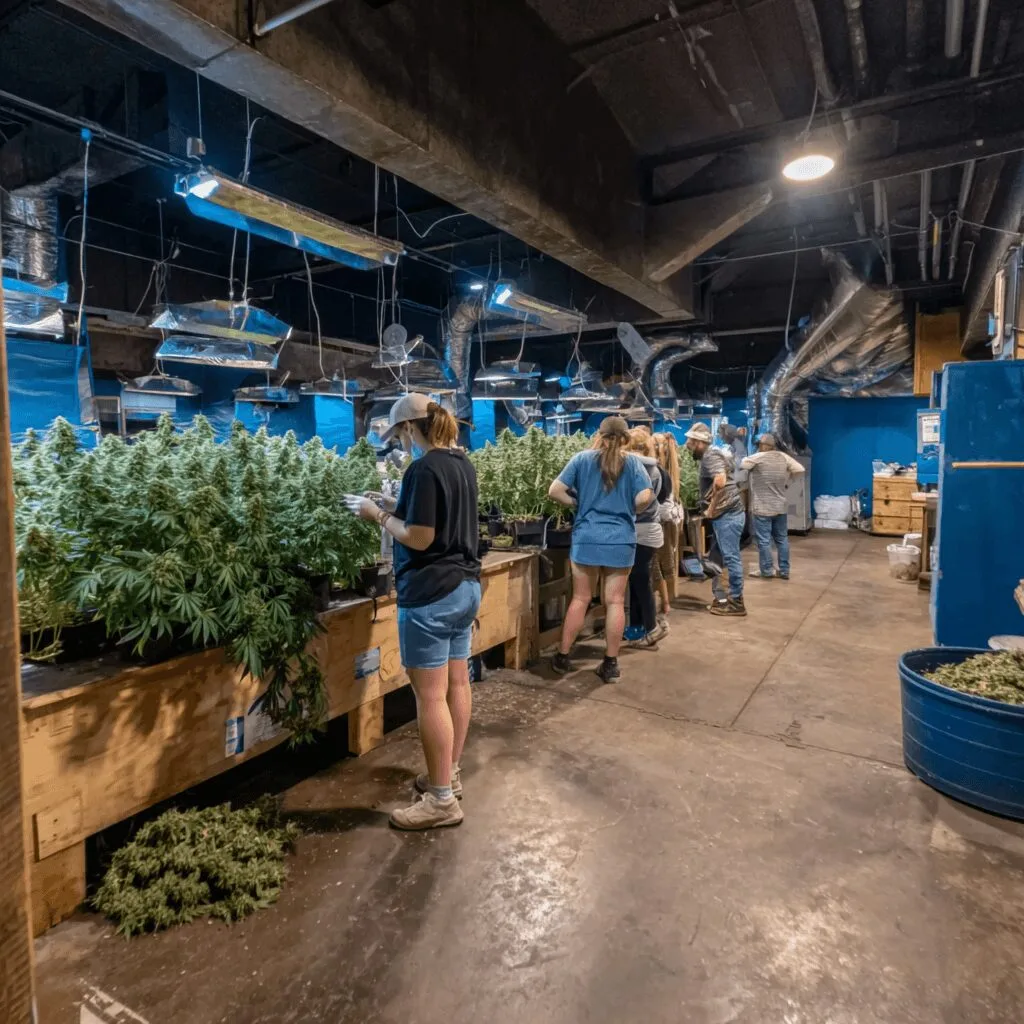
According to a January 2026 report from OPB, Oregon cannabis growers have achieved historic production levels. Licensed cultivators reported harvesting over 5.5 million pounds of cannabis during the 2025 season, smashing previous records and swamping shelves statewide. As a result, wholesale prices plummeted; growers now report prices as low as $400 per pound, compared to $1,500 just five years ago. This echoes concerns about dramatic price swings and market stress reported during recent trafficking-related enforcement actions and regulatory shifts in THC product markets elsewhere.
Despite the surplus, demand among Oregonians is still solid, with daily sales and dispensary foot traffic staying steady, per numbers from state regulators. Cultivation companies like East Fork Cultivars and Oregrown are adapting by streamlining harvests, shifting focus to craft, and tapping into new technologies. Legal loopholes, minimal production limits, and a culture of experimentation have led to a crowded field with legacy growers and new entrepreneurs battling for shelf space. Markets like Portland, Eugene, and Bend feel the pinch, while rural producers struggle to find reliable outlets for their product. The regulatory environment is under review, with lawmakers and the Oregon Liquor and Cannabis Commission debating potential solutions, as ongoing policy changes and regulatory updates (such as the adjustments outlined in the 2026 hemp THC regulations) remain crucial for stabilizing the Oregon cannabis market trends.
Expert Analysis: Why Supply Is King—For Now
Seasoned industry veterans agree, boom-and-bust cycles are nothing new, especially in a state as open as Oregon. As Oregon cannabis market trends evolve, many experts urge patience—some say it’s all part of maturing. According to Amanda Reiman, chief knowledge officer at New Frontier Data, “These fluctuations are common in emerging markets. The key is survival through innovation and value-added product lines.” (New Frontier Data).
In the short term, some pain is unavoidable. Small growers may close or pivot. Larger outfits are banking on brand building and product diversity, hoping to ride out the glut by connecting more deeply with consumers. Industry observers—including those at MJBizDaily—point out this shakeout could actually sharpen Oregon’s competitive edge by making room for the most resilient and quality-driven operations to thrive. With continued enforcement actions in the wider cannabis sector, such as those described in the aftermath of the Valparaiso trafficking bust, regulators in Oregon remain vigilant. It’s also stirring new talk about long-term stability, with national market watchers believing Oregon cannabis market trends could drive policy shifts nationwide, including potential moves toward interstate commerce if federal law changes. The focus remains on education, transparency, and ethical cultivation. As one grower put it, “You can’t just flood the shelves, you have to give folks a reason to choose your flower every time.”
The Road Ahead: Optimism in Oregon’s Green Revolution
Even as prices hit new lows, there’s no writing off the Oregon cannabis market yet. With a reputation for quality, creativity, and resilience, local stakeholders are rolling with the punches and finding new paths forward. Lawmakers are listening, with ongoing discussions on policies that could help rein in unchecked supply and protect smaller operators (NORML).
Above all, these latest Oregon cannabis market trends highlight the sector’s power to adapt. Some see the price dip as a hard reset—fuel for innovation rather than collapse. The rest of the country is watching closely, with lessons already shaping new markets in states like New York and New Jersey. Social attitudes are shifting too: more Oregonians than ever understand the value of well-regulated, transparent cannabis. So, whether you’re a grower tweaking genetics or a consumer tracking deals, there’s reason to see this as the next step up in Oregon’s legendary green evolution—just with a few bumps in the road. One thing’s clear: Oregon cannabis market trends will keep leading the way for American cannabis culture and business.
Originally reported by: opb.org


1 Comment
Pingback: Cannabis Production Prices: What Falling Costs Mean Now