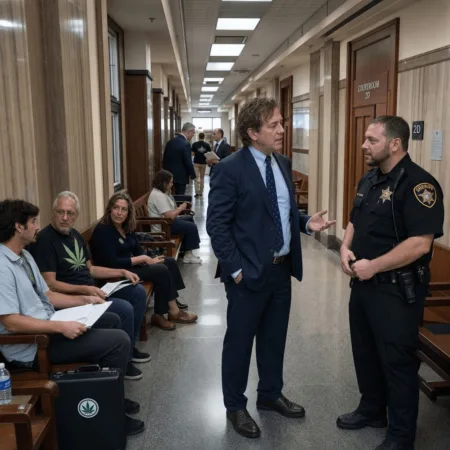
The debate over the Oregon cannabis edibles THC cap is back in the spotlight, stirring passionate discussion among industry professionals, everyday consumers, and policymakers. As demand for potent edibles continues to rise, conversations about health, safety, and regulatory fairness evolve rapidly. After advocates successfully blocked a proposed edibles THC cap, the Oregon market finds itself at a crossroads—balancing innovation with consumer protection. In this article, you’ll learn how the cap was challenged, why it matters now, and what it means for Oregon’s ever-evolving cannabis economy.
Understanding the Landscape: Oregon’s History with Cannabis Regulation
Oregon has long been at the center of cannabis reform, being among the first states to legalize adult-use cannabis. The state’s progressive stance attracted national attention, and its legal framework is often referenced by NORML and other advocacy organizations. Over time, bodies like the Oregon Liquor and Cannabis Commission (OLCC) have worked to balance accessibility with regulatory safeguards. Proposed measures, such as the Oregon cannabis edibles THC cap, reflect an evolution shaped by emerging research, evolving consumer preferences, and the legacy of prohibition. Oregon’s industry faces unique challenges, including retail saturation and shifting compliance requirements. Notably, these legislative conversations mirror those happening in other emerging cannabis markets, where established facilities—like those discussed in the recent transformation of a Branford cannabis facility—can signal industry shifts and influence local policy debates. This ongoing dialogue underscores Oregon’s pursuit of progressive standards without compromising the spirit of innovation and choice that has always defined the state’s cannabis culture.
The Recent Showdown: Key Developments & Industry Moves
In early 2024, as Oregon cannabis manufacturers and dispensaries faced mounting pressure with the introduction of a new edibles THC cap—suggesting strict limits per serving and package—industry groups went into action. Advocacy organizations like the Oregon Cannabis Industry Association (OCIA) warned of potential harm to local brands and concerns around adult-use access, with extensive coverage by outlets like MJBizDaily highlighting their efforts. House Bill 4147 moved through legislative committees amid vocal opposition, with economic risks such as lost sales and potential layoffs. The momentum of community action was significant: grassroots campaigns and testimony demonstrated the economic impact and product preferences of Oregonians. News of the bill’s defeat, as reported by Leafly, quickly spread, and regulators opted for renewed focus on consumer education and safety labeling rather than imposing a universal cap. This Oregon cannabis edibles THC cap defeat also mirrors pivotal moments in other jurisdictions, much like how changes in enforcement can affect public perception and politics—such as the recent headlines about a local marijuana citation stirring Monroe County politics.
Breaking It Down: Expert Analysis & Cannabis Community Insights
The aftermath of the Oregon cannabis edibles THC cap proposal has sparked thoughtful discussion within the industry and among consumers. Many seasoned cannabis users and medical patients depend on higher-THC edibles for consistent, reliable relief—prompting concerns that strict limits could drive people to unregulated markets, or even influence legislation in other states. Recent Benzinga analysis indicated that Oregon’s consumer base values both choice and product consistency. In the words of Alicia Rose, executive director of the OCIA: “Regulations should empower consumers—not limit their options or force them to shop out of state.” The state’s rigorous testing and tracking requirements far surpass many others, reflecting a commitment to both safety and innovation. These debates also resonate with enforcement challenges nationwide, as seen in situations like the high-profile THC cartridge sale near a school and the policy implications it raised. Oregon’s experience now serves as a model for balancing robust safety frameworks with industry flexibility and consumer autonomy.
Looking Forward: Oregon Sets the Pace for Cannabis Edibles Policy
The outcome of the Oregon cannabis edibles THC cap debate isn’t just a win for local dispensaries, but for informed consumer choice and regulatory best practice. With the state’s cannabis sector valued at over $1 billion, continued collaboration between stakeholders will be critical. As acceptance of cannabis products grows—here and nationwide—Oregon’s bold, consumer-driven advocacy sets an example for other states wrestling with similar THC cap proposals, according to Headset’s 2024 market report. Over time, expect smarter safety education, more transparent labeling, and strong partnerships between regulators and industry. By pushing back against unnecessary limits, Oregon reaffirms its role as a cannabis innovator—protecting access, public safety, and the freedom to choose. The future for Oregon cannabis edibles is bright, flavorful, and, most importantly, still rich in THC potency for those who want it.
Originally reported by: mjbizdaily.com