





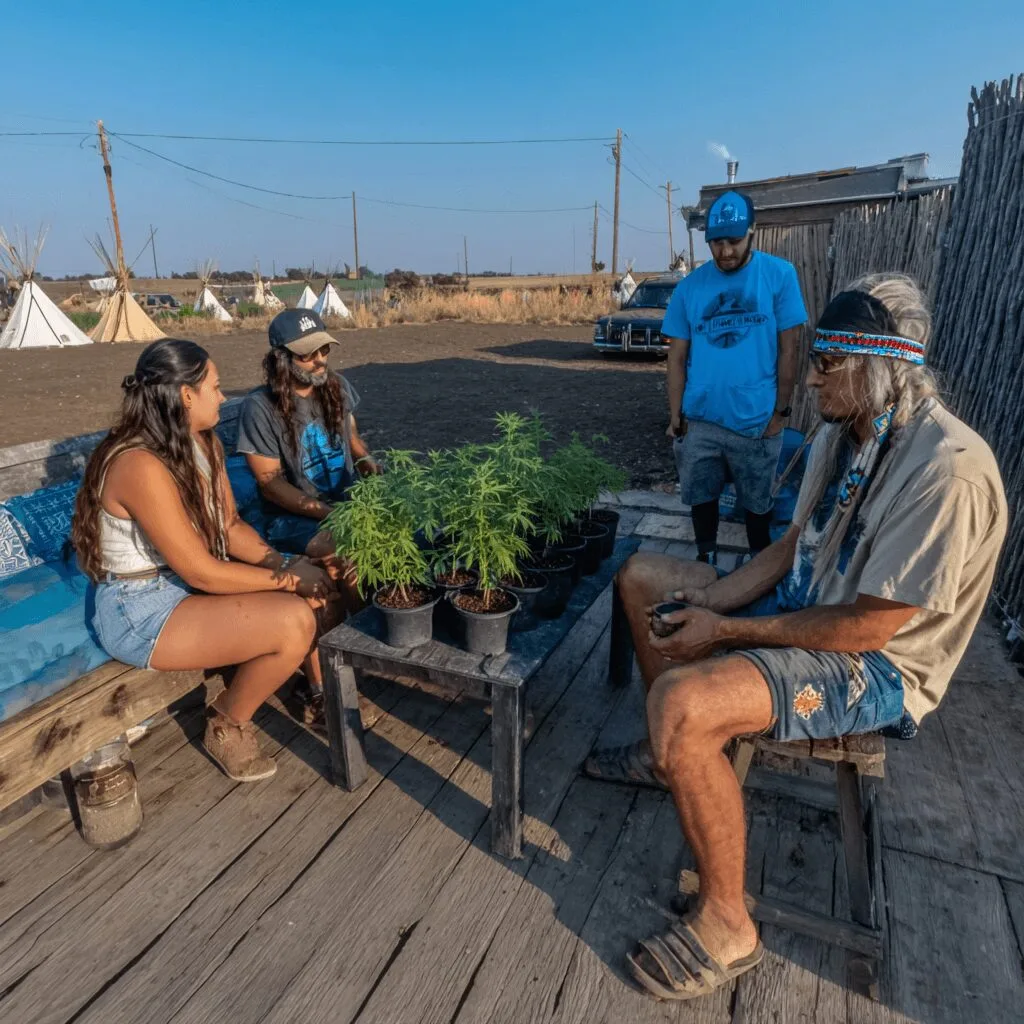
Omaha tribe cannabis sovereignty: Breaking Legal Barriers
The winds of change keep shaking up the Midwest cannabis scene—and nowhere is that more electrifying than with the battle for Omaha tribe cannabis sovereignty. As legal skirmishes intensify and public attention shifts to Native sovereignty, this showdown is more than local news: it’s a microcosm of the national debate. Recent moves by the Omaha Nation to claim agency over cannabis policy aren’t just courageous; they’re setting precedents and creating ripple effects well beyond Nebraska. Let’s break down the political clash, the cultural backdrop, and the cannabis industry’s buzz around what this could mean for sovereignty and legalization everywhere.
Navigating the Legal Roots: Cannabis, Sovereignty, and State Lines
Understanding Omaha tribe cannabis sovereignty means digging deep into both federal law and Native American self-governance. Tribes are recognized as sovereign entities under United States law, with the power to self-regulate some matters on their lands. But it’s complicated: Federal cannabis prohibition under the Controlled Substances Act still hangs like a haze, while states, led by trailblazers like Colorado and California, have opened their own marijuana marketplaces. Inconsistencies abound, creating room for legal fireworks when states and tribes don’t see eye-to-eye. Back in Nebraska, cannabis remains prohibited under state law per the Nebraska Revised Statute 28-416. But sovereign tribal land presents a special case. The Omaha Nation, like other tribes nationwide, is challenging those boundaries and forcing conversations about the true extent of Native authority. Industry experts, such as those featured in Marijuana Moment, argue this is the next big battleground for commerce, justice, and social equity in cannabis. As local dispensaries nationwide expand and face regulatory hurdles, communities like those in Stockton find new opportunities to foster unity and purpose, much like what has been seen in events designed to uplift regional cannabis communities (Stockton’s cannabis community spirit).
Latest Moves: The Clash Between Omaha Nation & Nebraska Over Cannabis Policy
The tension boiled over headline-style when the Omaha tribe publicly announced steps toward self-regulation of cannabis in early 2024. According to a recent Nebraska TV report, tribal leaders have advocated for opening dispensaries and launching cannabis enterprises on their land, insisting this falls squarely within sovereign rights. Nebraska state officials, however, were quick to threaten legal action, citing state law and potential conflicts with federal enforcement. The dispute features unforgettable soundbites, passionate advocacy, and a fair bit of legal muscle-flexing. The tribe’s council is reportedly considering a formal ordinance, with discussions already underway. Meanwhile, Nebraska’s attorney general’s office is exploring lawsuits, making it clear: negotiations won’t be mellow. This conflict has drawn national scrutiny, appearing in outlets from AP News to cannabis industry journals. What happens next will surely influence future dispensary regulations throughout the Midwest, echoing moments like Chicago’s inaugural sale that redefined local markets (Chicago’s first legal sale). All eyes are on whether the Omaha tribe cannabis sovereignty movement will crack open a path for other tribes or get tangled in litigation limbo.
Deeper Meaning: Industry Impact and the Bigger Picture for Sovereignty
If the Omaha tribe cannabis sovereignty gets legal traction, it could set an epic precedent. Native tribes nationwide are eyeing the opportunity, with the National Organization for the Reform of Marijuana Laws (NORML) reporting dozens of recent tribal sales launches from Washington to upstate New York. Legal scholars and green-leaf entrepreneurs believe this is a crucial moment, opening doors to new economic growth, tribal autonomy, and long-overdue reparative justice. As cannabis policy advisor Hilary Bricken notes, “Tribal sovereignty isn’t just about self-rule, it’s about economic empowerment and rewriting history in ways that benefit future generations.” (Canna Law Blog). The Omaha tribe’s cannabis sovereignty initiative dovetails with broader U.S. cannabis reform, echoing the call for fairer, more inclusive markets. In states witnessing surges in dispensary activity and medical marijuana sales, like Arkansas, ripple effects are already visible in the industry (Arkansas medical marijuana sales). It’s also a trial balloon: If the tribe prevails, could Nebraska state policy soften, and might other tribes seize the moment? Industry watchers expect a surge of similar moves if Omaha’s vision moves forward unchallenged.
The Road Ahead: Optimism for Omaha Tribe Cannabis Sovereignty
The future is hazy yet hopeful. The Omaha tribe cannabis sovereignty battle spotlights the need for policy innovation—blending justice, economic self-reliance, and cultural empowerment. As society warms to sensible cannabis reform and more states eye legalization, tribal voices and their sovereignty claims are pressing for overdue respect and autonomy. According to Forbes, industry analysts predict a boom if regulatory hurdles lift, with tribes poised to become important players in the legal marketplace. Bottom line? The clash may be uniquely Nebraskan, but its spirit and ramifications are truly national—and worthy of support for a greener, more just cannabis industry.
Originally reported by: nebraska.tv


