






Oklahoma medical marijuana tax shock: Lawmakers reject new bill
Right now, the Oklahoma medical marijuana tax question is more than just headline news—it’s a lightning rod for the state’s evolving cannabis industry. With lawmakers recently shutting down a hotly debated tax bill, patients, dispensaries, and regulators alike are all buzzing about what this means for access, affordability, and the future of reform. In this article, we’ll break down what happened, why it matters, and where the Oklahoma medical marijuana tax debate is headed next.
Understanding the Landscape: Oklahoma Medical Marijuana Tax and State Cannabis Regulation
Ever since Oklahoma voted to legalize medical cannabis in 2018, the state has become one of the most accessible and fastest-growing medical markets in the country, according to NORML. Unlike many states, Oklahoma’s model is open licensing, meaning there’s little red tape to get started, and patients enjoy relatively few barriers to entry. This freedom has fostered rapid growth, robust competition, and more affordable products. However, it’s also challenged state agencies to keep up with oversight and enforcement—similar to how shifts in New York’s legal cannabis market have tested regulatory adaptation. The debate around the Oklahoma medical marijuana tax is the latest chapter blending economics, law enforcement needs, and grassroots patient advocacy.
The state’s current tax setup includes a 7% gross receipts tax, with funds directed to a patchwork of essential services. Some lawmakers claim this isn’t enough to cover increased regulation costs, while others worry that any Oklahoma medical marijuana tax hike could restrict patient access and industry growth. With new legislative proposals in 2024 and rising patient numbers, understanding this issue is critical for anyone invested in Oklahoma’s cannabis future.
The Bill That Wasn’t: Breaking Down the Oklahoma Medical Marijuana Tax News
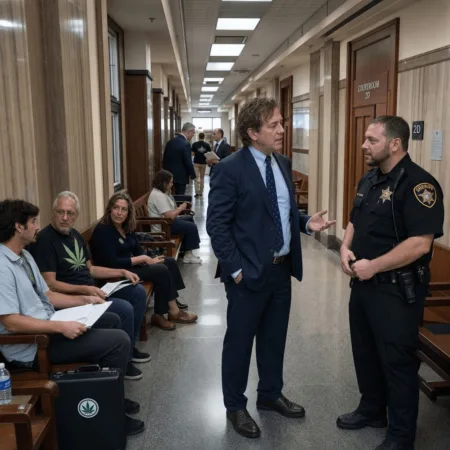
Earlier this month, Oklahoma lawmakers shot down House Bill 3228, a proposal that would have increased the Oklahoma medical marijuana tax. According to KOCO News, the proposed bill would have raised the tax rate on medical cannabis sales, reflecting efforts seen in other states like Minnesota, where regulatory delays and taxation have affected the market. The House panel’s vote followed hours of debate, with advocates and industry leaders voicing concerns that higher Oklahoma medical marijuana taxes might force patients to reduce usage or return to the illegal market. Notably, the Oklahoma Medical Marijuana Authority (OMMA)—the state regulatory body responsible for licensing and compliance—expressed the need for more funding to cover mounting oversight and public health costs.
On the opposing side, House Majority Floor Leader Jon Echols led the move to defeat the bill on procedural grounds, arguing that any Oklahoma medical marijuana tax increase needed broader input and a more robust strategy for industry sustainability. With the proposal shelved, both advocates and businesses are watching what comes next from the legislature as the state’s cannabis environment evolves quickly.
Expert Insights: What the Failed Oklahoma Medical Marijuana Tax Bill Really Means
It’s no secret, the Oklahoma medical marijuana tax debate reflects growing pains in a state making a swift transition from prohibition to abundant access. Veteran cannabis attorney Amy Bacon notes, “Oklahoma patients benefit from having one of the lowest-cost, least-restrictive programs in the nation, and every proposed tax hike threatens to upend that delicate balance” (Marijuana Moment). Industry analysts point to national data: when medical cannabis taxes are raised, patients—especially those on fixed incomes—reduce usage, while illicit sales often rise. The National Conference of State Legislatures reports that maintaining affordable access is critical for underinsured and rural patients. Meanwhile, cannabis industry leaders like Chad Wilkerson of the Oklahoma Cannabis Industry Association urge lawmakers to focus tax dollars on enforcement, compliance, and education, not patient costs. These insights echo broader legal debates—much like the ongoing national conversation reflected in community-focused legal guidance for cannabis regulation—demonstrating that the Oklahoma medical marijuana tax question impacts both access to care and the ability for legal markets to curb black market activity.
Ahead of the Curve: Oklahoma Medical Marijuana Tax and the Industry’s Road Forward
Even as this latest tax hike bites the dust, Oklahoma shows that cannabis reform is a marathon, not a sprint. With patient enrollment higher than ever—nearly 10% of Oklahomans hold active medical cannabis cards, as confirmed by OMMA’s official dashboard—raw demand keeps pushing the conversation forward.
Advocates and entrepreneurs will keep fighting for fair, sensible, and sustainable policies. While lawmakers hunt for solutions to cover ballooning oversight costs, industry groups and patients are doubling down on collaboration and creative fixes, from voluntary contributions to smart regulation reforms.
The Oklahoma medical marijuana tax debate isn’t going anywhere soon, but for now, the state’s patients and caregivers can breathe easy knowing affordability—and access—takes priority. As national acceptance grows and best practices evolve across states, Oklahoma’s leadership in patient-driven medical marijuana policy will likely inspire smarter, better-designed tax and regulatory solutions in the years ahead.
Originally reported by: koco.com


1 Comment
Pingback: Texas smokeable hemp ban: Crucial news for cannabis users