There’s never been a more exciting—and frankly, pivotal—moment for the Oklahoma medical marijuana study scene. With regulations shifting and the debate around access intensifying, everyone from consumers to policymakers is eager for clear data. Right now, citizen-led efforts are making history with a fresh statewide research approach that spotlights real community experience. Dive in as we unpack game-changing 2026 developments, regulatory background, and major expert perspectives sure to fire up conversation across Oklahoma.
The Regulatory Landscape: Oklahoma’s Bold Cannabis Experiment
Oklahoma has stood apart as a surprising hotbed for medical marijuana since voters passed State Question 788 in 2018. Unlike other states tangled by red tape, Oklahoma’s regulations have leaned on accessibility, allowing broad medical eligibility and a thriving small-business market. Yet, such rapid growth brings scrutiny, as lawmakers elsewhere in the region, like in Missouri wrestling with hemp bans, are also seeking clarity and evolving regulations—see the ongoing discussion on Missouri hemp legislation. State lawmakers and agencies in Oklahoma frequently weigh changes, updates, or new compliance measures, making regulatory clarity crucial for patients and providers. As noted in a recent Marijuana Moment update, Oklahoma authorities are fine-tuning oversight to balance patient needs with public health and safety. This adaptability and drive for data-backed policy make studies like the current one not just valuable but utterly necessary for shaping the next era of access.
Key Developments: 2026 Citizen Science Hitting the Scene
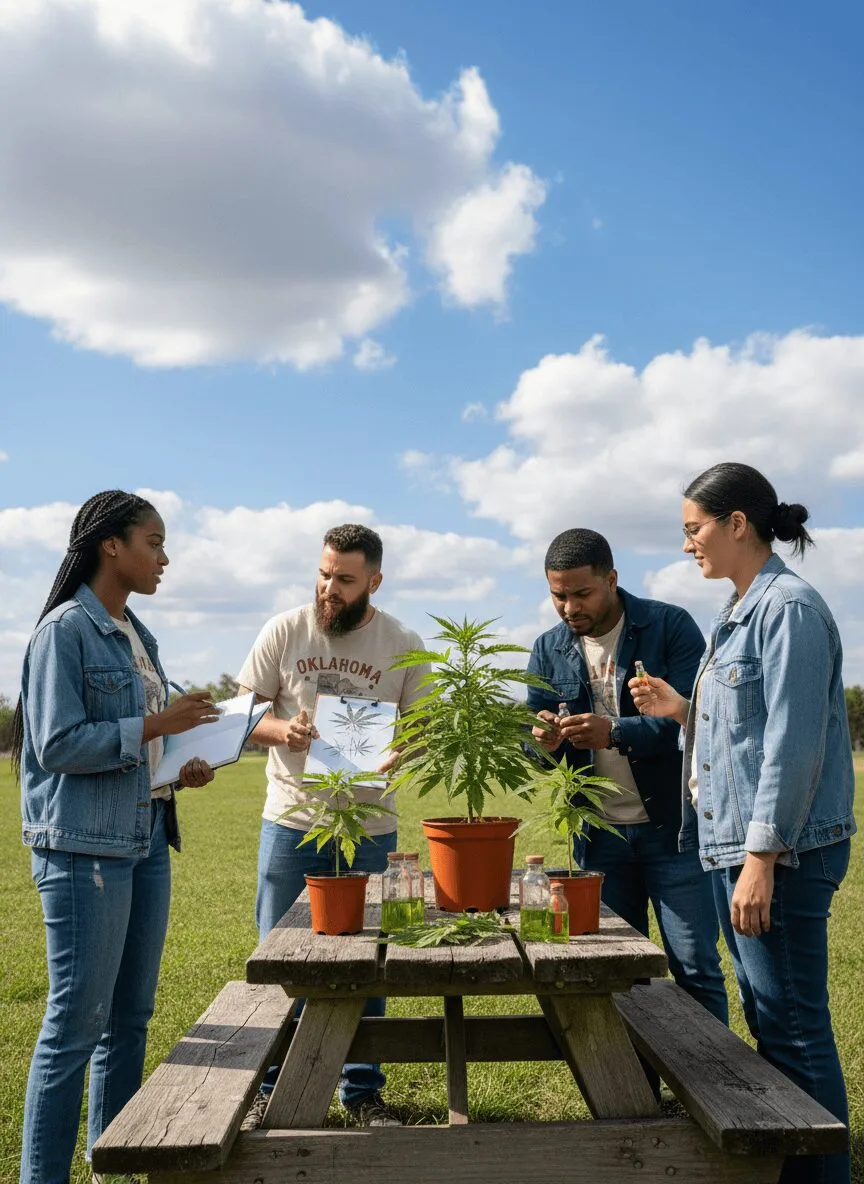
In 2026, a statewide Oklahoma medical marijuana study has burst onto the scene in a unique, people-powered form. According to Cannabis Business Times, this groundbreaking research isn’t just run out of a lab—it’s a collaborative effort drawing hundreds of Oklahomans, scientists, and local healthcare partners right into the data-gathering process. Unlike top-down studies, researchers here are focused on real stories, emphasizing how medical cannabis affects daily life, symptom relief, and overall well-being. Key organizers highlight how decentralized, participant-driven research can surface both benefits and challenges of Oklahoma’s unique cannabis policies. Employers have also taken note, updating their procedures to keep pace with Oklahoma drug testing requirements in this changing landscape. Initial results have centered on outcomes like patient-reported pain management, anxiety reduction, and even harm-reduction practices in routine care. The Oklahoma medical marijuana study aims for deep scientific legitimacy, combining community feedback with rigorous oversight from state health officials and university partners.
Expert Analysis: What Sets the Oklahoma Medical Marijuana Study Apart?
The Oklahoma medical marijuana study isn’t just local hype, it marks a major shift in evidence-gathering and public trust. As Dr. Sue Sisley (a widely-respected cannabis researcher) told Forbes, “When patients and their communities take research into their own hands, the data gets richer and more actionable, it’s a win for science and for public policy.” This project’s blend of grassroots energy and formal oversight could set a standard for other states still struggling over how to measure medical cannabis impacts. For patients managing symptoms like PTSD, there’s new scrutiny and debate—recent coverage examines medical marijuana and PTSD concerns that matter for public health policy. Experts from NORML and Leafly note that Oklahoma’s approach is closely watched nationwide, both for its regulatory flexibility and its real-world data collection. The study is already fueling new local debates about dosing consistency, product quality, and the best ways to reach underserved communities, including practical barriers and social stigma some patients still face. The momentum here could show policymakers nationwide that pro-cannabis progress goes hand-in-hand with credible science, not spin.
The Road Ahead: Real Data, Real Change in Oklahoma
Looking forward, the Oklahoma medical marijuana study signals a new chapter for both the state and the broader cannabis industry. As Oklahoma continues to innovate, patient-driven science is proving that open access and responsible oversight can work in tandem. Industry reports from New Frontier Data show the state’s market remains robust—even as more states refine their own rules. With ongoing citizen science, Oklahoma’s future will likely see more informed, inclusive policy that benefits communities most impacted by chronic illness and opioid abuse. It’s clear that trust in cannabis will grow when backed by truth—and that’s exactly what this study delivers. Watch this space: Oklahoma is blazing new trails not just for itself, but for the nation’s evolving conversation around medical marijuana.
Originally reported by: cannabisbusinesstimes.com