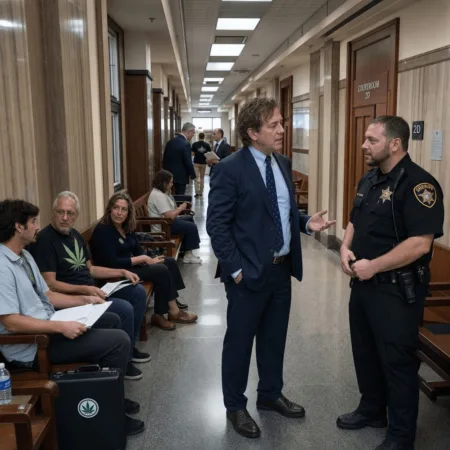
Oklahoma medical marijuana repeal: What voters need to know now
Right now, conversations across Oklahoma are heating up about the Oklahoma medical marijuana repeal. Voters are buzzing—and honestly, a little anxious—about what the future could look like for patients, caregivers, and businesses alike. With a wave of regulatory changes slamming into the Sooner State, folks are wondering: Is this the end of green-friendly progress in Oklahoma, or just a pivotal plot twist? If you’re thinking about your rights, access to quality medicine, or the future of local cannabis jobs, this is news you can’t ignore.
Behind the Headlines: Understanding the Roots of Oklahoma Medical Marijuana Repeal
Let’s rewind. In 2018, Oklahoma surprised much of the country with a voter-approved medical marijuana program that rapidly evolved into one of the nation’s most accessible markets. Patients and entrepreneurs found opportunity thanks to minimal restrictions and low entry barriers, making the state a model for pro-cannabis policy and drawing both praise (see coverage in The New York Times) and scrutiny. However, recent months brought a potent mix of rapid growth, fragmented regulation, and bad press, creating concerns about illegal grows and public safety. These issues are not unique to Oklahoma—similar regulatory and legal challenges have appeared elsewhere, as seen in cases where marijuana sold as hemp has tested the limits of existing laws. At the core of the Oklahoma medical marijuana repeal debate is a question of how to balance medical freedom with responsible oversight, mirroring wider national tensions identified by groups such as NORML and MPP.
Key Developments: What’s Going Down With the Oklahoma Medical Marijuana Repeal
Here’s the real buzz: In early February 2026, Oklahoma’s election board reported huge turnout related to local ballot initiatives about medical marijuana regulations (KOSU News). A controversial measure is now on the table to impose stricter regulations, such as limiting dispensary density, increasing frequency for physician approvals, and reducing caregiver licenses statewide. The health department has also launched a review of pending applications to remove bad actors from the system. In moments like these—where rules and public opinion are rapidly shifting, as in major retail cannabis markets in other states—hundreds of local businesses, thousands of patients, and substantial tax revenue are at stake. Advocacy groups like the Oklahoma Cannabis Industry Association and organizations such as NORML Oklahoma are urging voters to understand the potential impact on the community.
Expert Insights: What the Oklahoma Medical Marijuana Repeal Really Means
So, what does all this flux mean for patients and the cannabis industry? Leading consultant Tara Miller told MJBizDaily, “Oklahoma’s wild west approach was bound to attract both innovation and trouble. A repeal forces the state to choose—will it stay progressive, or backslide into restrictive policies that hurt patients?” While calls for tighter regulation may eliminate gray-market operators, legitimate businesses could get caught in overly complex requirements, jeopardizing jobs and local investment. These challenges echo the experiences observed in other states facing cannabis industry slowdowns and regulatory shifts. Advocates emphasize that smart, balanced oversight—rather than wholesale rollback—is the key, a viewpoint consistent with trends analyzed by Cannabis Business Law. The future of a strong medical marijuana program in Oklahoma will depend on finding the right blend of compliance and compassion.
Looking Ahead: Cannabis Community Rallies, Eyes Optimistic Future
Despite the uncertainty sparked by the Oklahoma medical marijuana repeal, the cannabis community isn’t folding their hand. Industry advocates, patient networks, and even some lawmakers are already pushing for smarter, patient-centered reforms. The story isn’t just about what’s being repealed, but how Oklahoma can lead by evolving sensibly. As reported by Leafly, states facing regulatory growing pains often wind up with stronger, more resilient policies after the dust settles. Bottom line: Oklahoma’s story is far from over. With active civic participation and honest debate, there’s real hope for a new era—one where access, safety, and community growth walk hand in hand. The Oklahoma medical marijuana repeal may be this generation’s wakeup call, but it doesn’t have to be the final chapter.
Originally reported by: kosu.org