Oklahoma medical marijuana impact: See Real Changes Now
The Oklahoma medical marijuana impact is making headlines across the state, stirring conversation in every city and town. With new legislative shifts, surging patient numbers, and dispensary growth, Oklahoma’s cannabis landscape looks very different today than it did even a year ago. This article dives deep into what’s changed, why it matters for both patients and businesses, and what it all means for the future of medical cannabis in Oklahoma. Expect straight talk, expert insights, and a clear look at the evolving story behind the Oklahoma medical marijuana impact.
Understanding the Roots of Oklahoma’s Cannabis Boom
Oklahoma was once considered one of the least likely states to green-light medical cannabis. All that changed dramatically with the passage of State Question 788 in 2018 by a clear majority vote, setting the regulatory scene for the Oklahoma medical marijuana impact to spread statewide. Unlike neighboring states that placed strict limits on who could qualify, Oklahoma chose a more open model: OMMA (Oklahoma Medical Marijuana Authority) regulations allow physicians broad discretion to recommend cannabis to patients without a defined strict list of qualifying conditions. This has led to an influx of entrepreneurs, rapid patient enrollment, and a surge of local dispensaries cropping up in both major metros and small towns. According to Norman Transcript, Oklahoma now leads the nation in per capita medical marijuana cardholders. Lawmakers have responded by continually upgrading compliance, emphasizing product safety, seed-to-sale tracking, and responsible growth, satisfying advocates and critics alike. This unique combination of regulatory flexibility and real-world accountability has set the stage for the sweeping Oklahoma medical marijuana impact now being seen across social, legal, and economic dimensions. Recent shifts around state cannabis regulator changes also highlight how Oklahoma fits in with broader national patterns, as discussed in updates on new regulatory moves reshaping the industry.
Major Developments & Real-World Issues: Oklahoma’s Cannabis Transformation
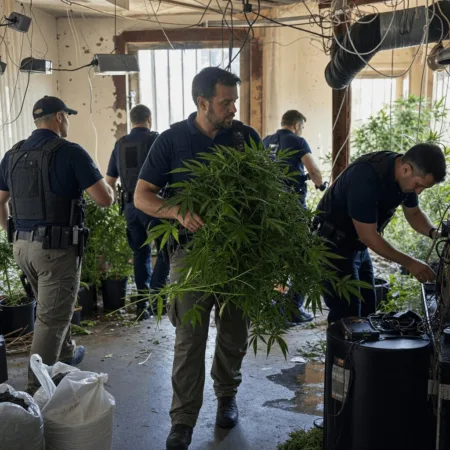
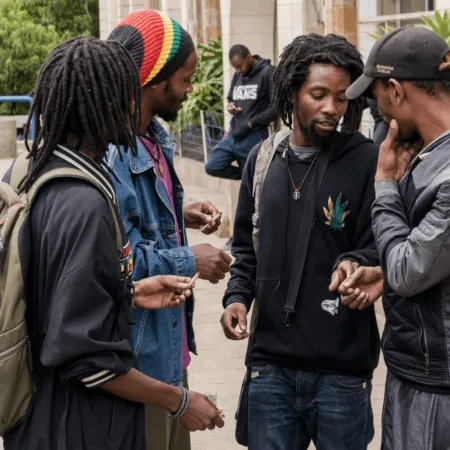
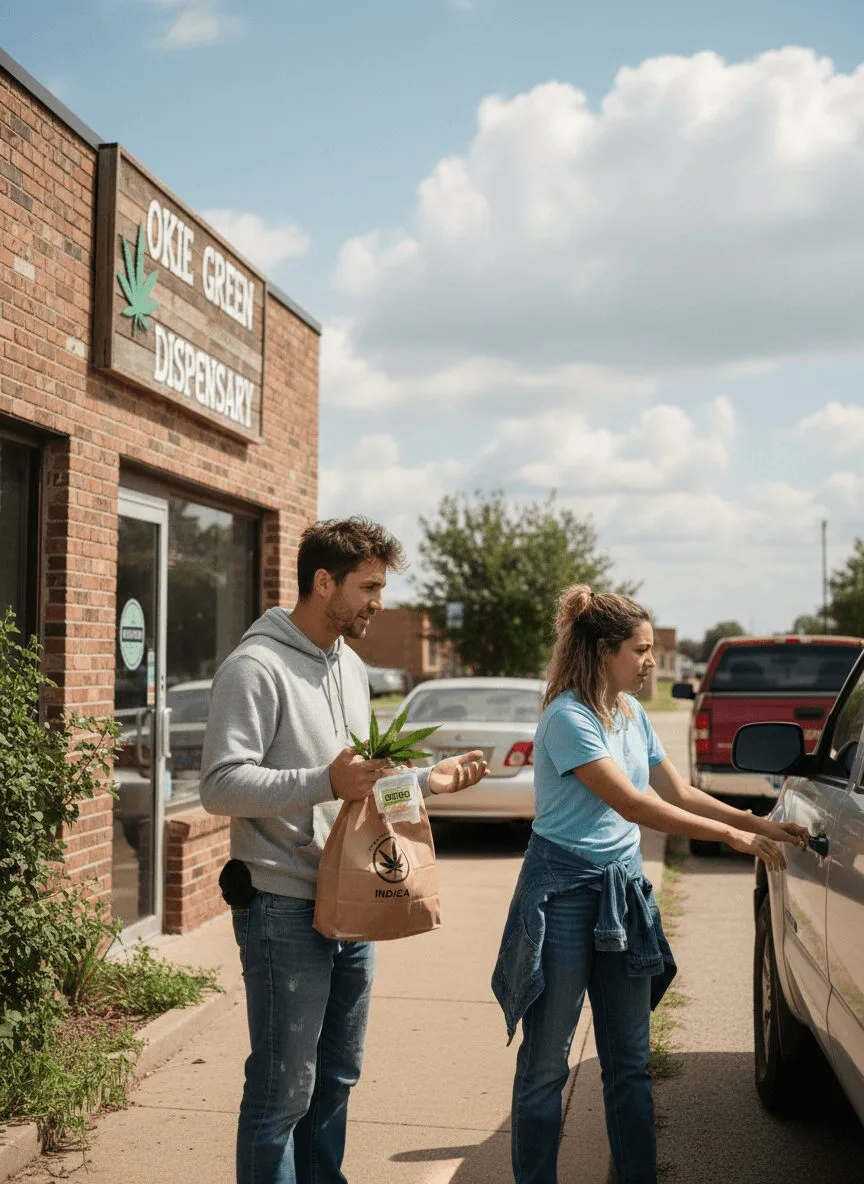
This year, the Oklahoma medical marijuana impact has come alive in concrete and visual ways. Dispensaries have become part of daily street scenes, as highlighted in the Oklahoman’s recent photo series showcasing ordinary Oklahomans outside local shops. Notably, as of January 2026, OMMA reports nearly 400,000 licensed patients in the state, with more than 2,500 active dispensaries now open according to their official statistics. Recent months have brought tighter enforcement actions targeting unlicensed grows and out-of-state trafficking, resulting in publicized shutdowns and increased compliance checks. The Oklahoma Bureau of Narcotics (OBN) has partnered with OMMA to trace product origins and protect legal operators, as reported in ongoing legal updates on the OBN site. Meanwhile, cities like Tulsa and Oklahoma City are actively adjusting zoning ordinances, ensuring dispensaries fit seamlessly into communities (Tulsa World). These real changes on both the ground and the policy level are driving home just how significant the Oklahoma medical marijuana impact has become for day-to-day life, commerce, and community safety. For a look at how evolving cannabis regulation can impact regional legal landscapes, check out recent litigation and its influence on state laws.
Expert Analysis & Cannabis Culture Wisdom
So what do these developments mean for the broader legalization movement and industry credibility? First, Oklahoma’s hands-off approach to qualifying conditions has fostered one of the most inclusive programs in the country. Industry leaders highlight how this empowers patients and providers while fueling healthy competition among licensed producers. As Marijuana Moment notes, consumer choice and market access are the “secret sauce” of Oklahoma’s growth. Dr. Denise Romano, cannabis medicine specialist, puts it bluntly: “Oklahoma’s patient-centered laws offer a national model for medical cannabis accessibility. When people get legal, affordable, high-quality alternatives to pharmaceuticals, you see improvements in health, community, and economic resilience.” Yet challenges persist. Illicit grow crackdowns, city zoning fights, and educational gaps around safe use remain top concerns. Still, with so many residents now participating legally, the Oklahoma medical marijuana impact overwhelmingly points to normalization, job creation, and an agricultural rebirth across rural communities. National figures, like the Leafly cannabis industry report, show how Oklahoma’s story is shaping national policy debates and driving demand for reform in other states. Meanwhile, with cannabis culture’s mainstream shift, trends like the rise of THC seltzer drinks among social circles demonstrate expanded acceptance and opportunity in the market.
The Road Ahead: Cannabis Progress & Oklahoma’s Promise
The Oklahoma medical marijuana impact is already rewriting what ‘normal’ looks like in the Sooner State – from bustling dispensaries to shifting public attitudes. As state agencies streamline oversight, and cities get creative with integration, the momentum is only building. According to Cannabis Business Times, Oklahoma’s evolving framework is seen as a blueprint for balancing access and accountability—and advocates everywhere are taking notes. While legal wrangling and community debates will keep stirring the pot, optimism around patient health and industry stability is obvious. The future? Think more science-backed education, steadily improving regulations, and a thriving, transparent cannabis scene helping put Oklahoma on the map for positive reform. The Oklahoma medical marijuana impact isn’t just a local story—it’s a bigger signal of change in America’s approach to wellness and personal freedom.
Originally reported by: oklahoman.com