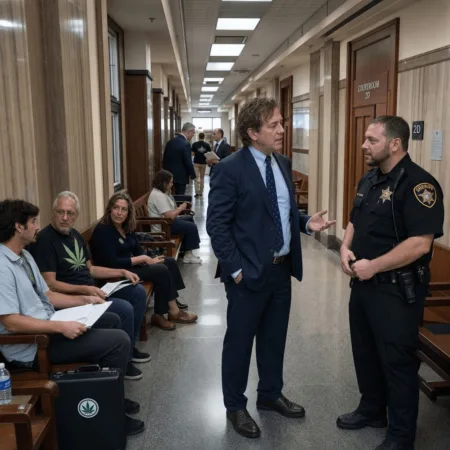
Oklahoma medical marijuana debate heats up as Paxton challenges Stitt
The Oklahoma medical marijuana debate is grabbing headlines and stirring up conversations statewide. With the medical cannabis market booming, state leaders are wrestling between respecting voter decisions and seeking stricter oversight. This debate isn’t just about one law—it’s about the heart of Oklahoma’s evolving cannabis culture, patient access, and regulatory tug-of-war. We’ll break down why this matters, what’s at stake, and what Oklahoma’s next moves could mean for medical marijuana across the U.S.
Background: The Roots & Regulatory Landscape of Oklahoma’s Cannabis Scene
To grasp the Oklahoma medical marijuana debate, you have to rewind to 2018. Voters overwhelmingly passed State Question 788, making Oklahoma one of the most cannabis-friendly medical markets in the country (Ballotpedia reports). Since then, more than 12,000 licensed businesses and 300,000+ patients have fueled a thriving industry. However, the state’s open licensing and minimal restrictions have drawn attention from regulators, law enforcement, and reform advocates alike. Challenges with compliance and enforcement have become particularly clear as the industry matures, echoing similar regulatory recalibration efforts seen in places like Canada’s medical cannabis policy. As NORML notes, Oklahoma is now seen as a bellwether for grassroots-driven medical reform, but also a testing ground for further regulatory developments.
Key Developments: Stitt’s Proposal, Paxton’s Pushback, and the Political Chess Game
In a dramatic twist, Governor Kevin Stitt proposed that Oklahomans return to the ballot box to revisit the state’s medical marijuana law. Stitt cited concerns over illegal grows, black market activity, and regulatory headaches. Then came Texas Attorney General Ken Paxton’s response, stirring controversy by challenging Stitt’s approach and warning against what he called ‘marijuana expansion.’ According to KFOR News, Stitt said, “I don’t think Oklahomans knew what they were voting for,” hinting at greater restrictions if legislation returned to a vote. This exchange has fueled the Oklahoma medical marijuana debate, splitting advocates, patients, medical professionals, and politicians. These pressures build as the State Department of Health and OMMA (Oklahoma Medical Marijuana Authority) field calls to tighten enforcement, especially following recent events like recalls impacting both growers and patients with lasting implications, and as legal filings stack up on both sides since early 2024.
Expert Analysis: What These Moves Mean for Oklahoma’s Medical Marijuana Industry
To seasoned cannabis watchers, Oklahoma’s rapid market growth was both exciting and expected to face bumps. Industry analysts at Marijuana Moment note that mature markets often see a wave of regulatory tightening as infrastructure catches up to demand, as demonstrated by changing frameworks in states like New Jersey where product issues have influenced buyer confidence. “Oklahoma built what many consider the country’s most open medical cannabis program. Its evolution was inevitable as policymakers and law enforcement play catch-up,” says Marijuana Business Daily columnist John Schroyer. The Oklahoma medical marijuana debate also reflects national trends: local control vs. state mandates, patient rights vs. regulatory oversight, and public health vs. economic incentive. Most experts agree that tweaks are required, but warn lawmakers not to tip the balance too far and risk hurting patients or wiping out small, legitimate businesses. Navigating these issues requires nuance, not kneejerks.
Looking Ahead: Optimism for Oklahoma and Medical Cannabis Progress
Whatever the outcome, the Oklahoma medical marijuana debate is sparking broader discussions on how states can balance rapid industry growth with smart, compassionate regulation. With the cannabis culture deepening roots and growing mainstream support across the U.S., Oklahoma’s approach could set lasting precedents. Industry leaders and patients alike hope reforms will focus on evidence, not politics, to keep pushing access and safety forward. According to Leafly, Oklahoma’s future in medical cannabis remains promising if solutions prioritize transparency, fairness, and patient care. If anything, the Sooner State proves the power of grassroots advocacy—and why honest debate is a win for everyone who believes in safe, regulated medical marijuana.
Originally reported by: kfor.com