





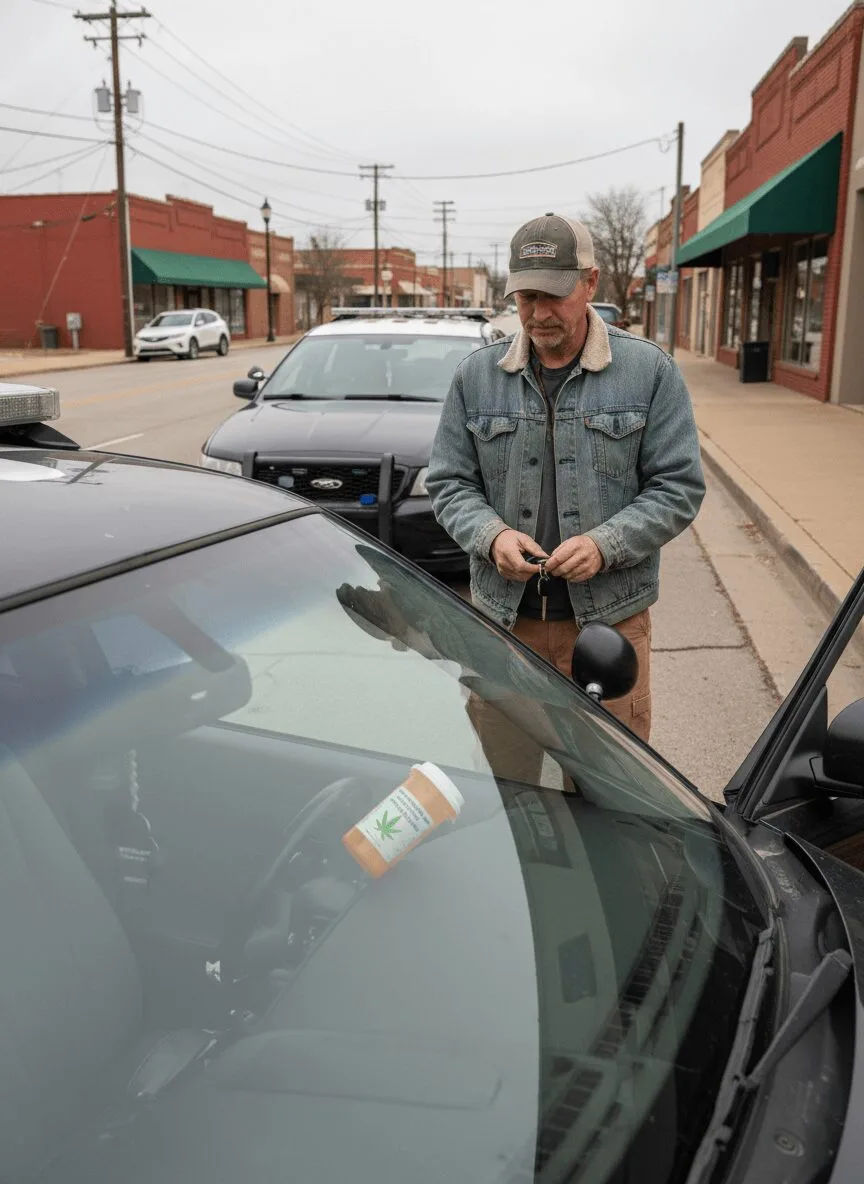
Oklahoma DUI Medical Marijuana Law: Crucial Changes You Need
The Oklahoma DUI medical marijuana law is under major scrutiny right now, and it’s not just hype. With Oklahoma’s cannabis culture booming and lawmakers responding to public safety concerns, understanding your rights as a patient—or a driver—is critical. Let’s break down the fresh changes, why they matter for anyone using medical marijuana, and what every Oklahoman needs to know before getting behind the wheel.
Understanding the Regulatory and Social Backdrop
Oklahoma has become one of the hottest medical marijuana markets in the country. According to NORML, over 400,000 Oklahomans now hold medical marijuana cards, making the state a surprising leader in access. But as access expands, conflict with existing DUI (driving under the influence) statutes is unavoidable. State law draws the line at impairment, but there’s no easy roadside test for cannabis influence, unlike classic blood alcohol tests. Meanwhile, law enforcement and patients both want clarity, especially as Oklahoma’s legislature fast-tracks adjustments responding to rising possession and consumption rates. Virginia recently enacted its own local regulations, and the lessons from these rule changes can be instructive for Oklahomans as seen in how other states have approached new marijuana regulations.
Social attitudes toward cannabis have shifted dramatically, too. According to a recent Pew Research report, most Americans now favor medical and even recreational use. This evolving consensus is putting real pressure on lawmakers and courts to fine-tune regulations, especially regarding Oklahoma DUI medical marijuana law, so rules better match lived reality.
Key Legal Developments Shaping the Oklahoma DUI Medical Marijuana Law
On January 14, 2024, the Oklahoma House of Representatives released key updates refining how DUI charges and medical marijuana intersect (official source). Legislators across the country have been closely watching these developments, much like the recent shifts in Missouri’s laws which impact ongoing reform efforts—a trend now mirrored in Oklahoma. The main changes include clearer definitions for “impairment” and affirmation that simply having a medical marijuana license, or even cannabis metabolites in your system, isn’t enough for a DUI charge.
- Cops now need evidence of actual impairment, not just a positive drug test, before charging cannabis users with DUI. This shift is huge for patients, as THC can stick around in blood and urine long after you’ve sobered up.
- The House clarified: Medical marijuana cardholders are still subject to DUI checks, but mere presence of THC metabolites is not proof of intoxication. The law requires proof of real-time impairment.
- Law enforcement is being pushed to retrain officers on the nuanced effects of cannabis on driving. As noted by NHTSA, cannabis impairment doesn’t look like alcohol impairment and is harder to spot, but the consequences matter.
- The proposals also outline protections for driver’s licenses and medical privacy for cardholders, limiting access to health records unless impairment is directly suspected.
For patients, advocates, and law enforcement, these clarifications are a direct response to the surge in Oklahoma medical marijuana cardholders and expanded use since the launch of the program in 2018 (OMMA). Notably, understanding legislative adjustments elsewhere—like the latest debates in Texas at major cannabis policy conferences—helps everyone see how collaborative events can shape outcomes, just as discussed at the Texas Cannabis Policy Conference.
Cannabis Expert Insights and Real-World Impact
These Oklahoma DUI medical marijuana law updates might seem like obvious progress to cannabis fans, but the legal dance is tricky. High Times editor Dan Skye put it bluntly: “It’s unfair to treat someone as impaired just for using medicine they’re legally allowed to have. Lawmakers catching up with science is long overdue.”
Industry experts point to studies by the National Institutes of Health, which show that blood THC isn’t a simple impairment marker. Timing, dose, and tolerance all change the game, so fair testing matters. These Oklahoma reforms match a national move toward science-first, rights-respecting cannabis law, especially as more states tweak their own DUI codes. In Ohio, recent petition rejections for marijuana legalization highlight just how much local reform battles shape public policy, similar to the changes unfolding in Oklahoma (see how similar policy debates are evolving elsewhere).
With legalization’s momentum, even officers admit retraining is overdue. As The Oklahoman reported, “Departments are learning that cannabis isn’t like alcohol. We’re revising impaired driving practices because science and the law demand it.” (The Oklahoman).
Where Oklahoma DUI Medical Marijuana Law Goes Next
Oklahoma’s willingness to adapt DUI law for the cannabis age sets a bold example, not just for the South, but nationwide. By demanding evidence of real impairment—not just chemical traces—the state puts patient rights and public safety on equal footing. Cannabis culture is here to stay, and so is legal evolution. As legalization efforts ripple across the U.S., industry voices—from Weedmaps to policy think tanks—predict state and local regulations will keep improving. Expect even smarter, fairer Oklahoma DUI medical marijuana law updates as both science and society catch up. It’s all about safety, liberty, and a little common sense—something every Oklahoman (and every patient) can get behind.
Originally reported by: okhouse.gov


