


Oklahoma abandoned marijuana facilities: Hidden Dangers Exposed
Let’s talk about something stirring up concern and curiosity across Oklahoma—abandoned marijuana facilities. After years of rapid industry growth, these sites are making headlines for reasons no one expected. Oklahoma abandoned marijuana facilities have become a hot topic as lawmakers, local communities, and cannabis advocates grapple with the fallout from a wave of unregulated exits. We’re diving into why these deserted grow operations matter now, what’s behind their surge, and how their environmental, legal, and social impacts are far-reaching. If you care about public safety, the future of cannabis, and real talk on industry clean-up, you’ll want to keep reading.
The Regulatory Wild Ride Behind Oklahoma Abandoned Marijuana Facilities
Oklahoma’s cannabis journey is, well, pretty wild. Since medical marijuana was legalized in 2018, the state’s Oklahoma Medical Marijuana Authority (OMMA) has issued thousands of business licenses, far more than most states. Low barriers to entry, affordable licenses, and minimal oversight at the start led to a classic green rush. This rapid market expansion is not unlike what Texas has recently experienced, as illustrated by news surrounding high-profile enforcement events in Dallas, where evolving policy and surprise enforcement have shaken up the industry.
This explosion allowed entrepreneurial freedom, but the flip side? As Marijuana Moment and local news outlets reported, floods of operations fell behind on compliance, taxes, and quality standards. Overproduction and tightening regulations since 2022 fueled a spike in failed businesses. As a result, Oklahoma abandoned marijuana facilities started popping up in rural and urban patches alike, creating new challenges for state regulators, environmental agencies, and even real estate markets.
Key Developments: Environmental Risks & Legislative Action Surge
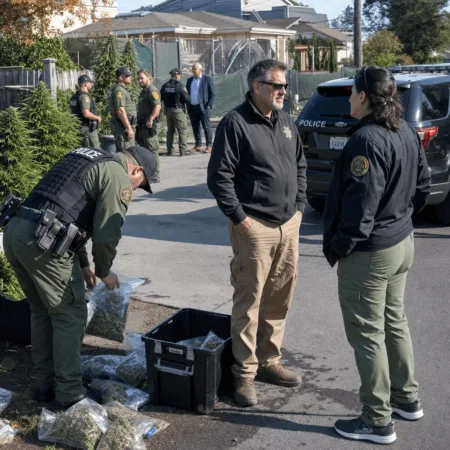
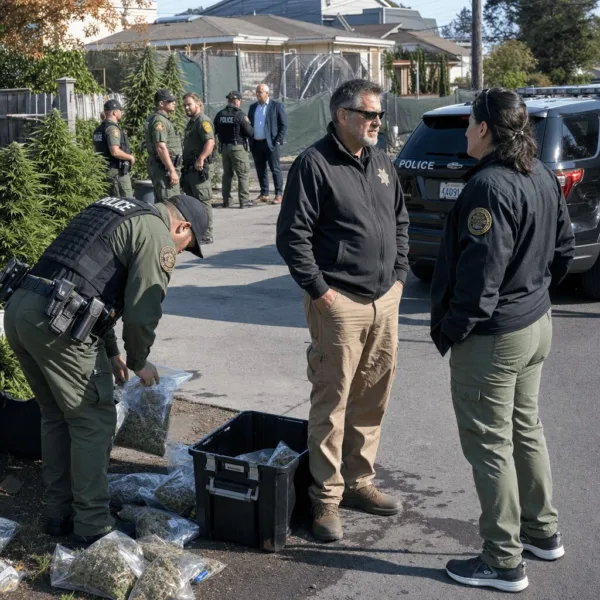
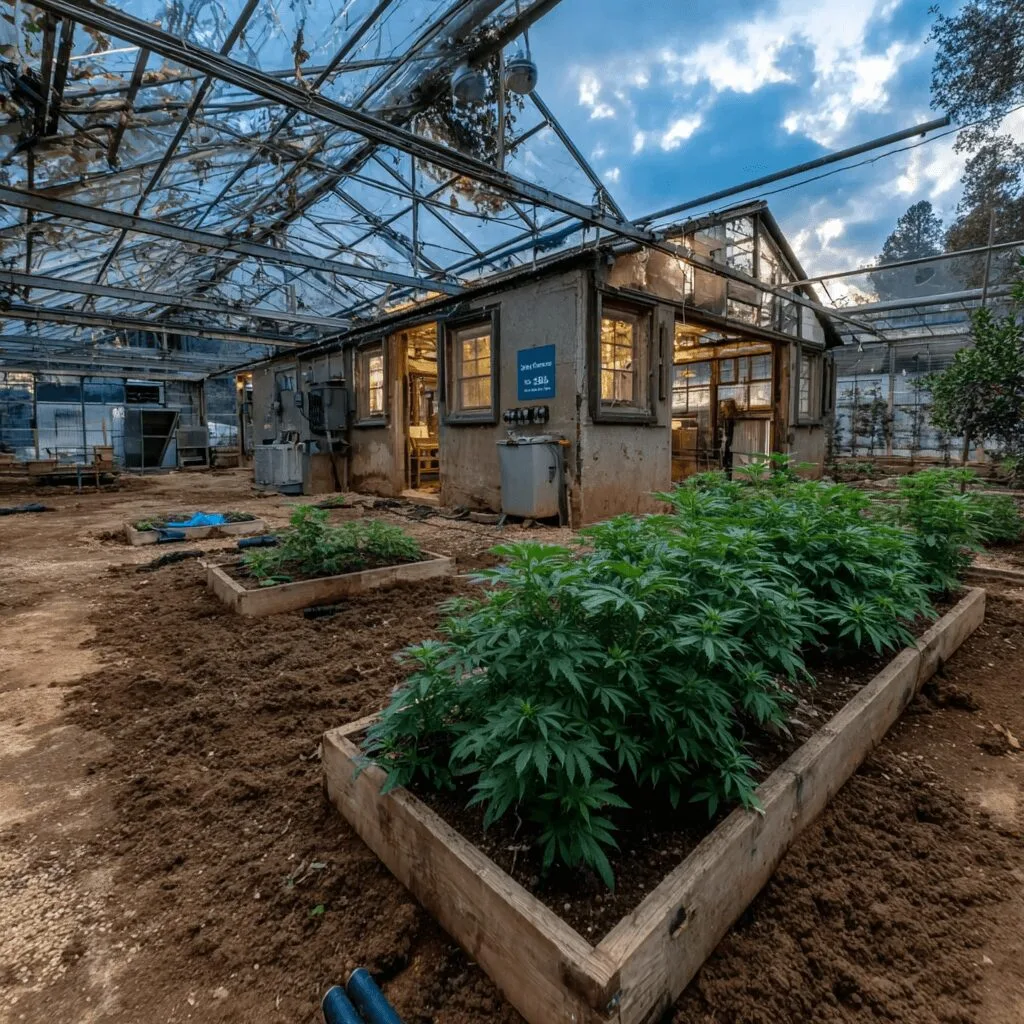
The abandoned grow site crisis hit center stage this year, highlighted in a recent interim study held by the Oklahoma House of Representatives. Lawmakers and the Oklahoma Department of Environmental Quality aired major concerns about hazardous waste, contaminated soil, leftover chemicals, and public safety risks. According to KTUL, agencies found that many abandoned greenhouses and warehouses were left with toxic fertilizer bags, illegal pesticides, and broken infrastructure—threatening local water and air quality.
It’s not just environmentalists tracking this. Law enforcement has also reported that similar zoning and regulatory concerns have recently been debated elsewhere, much like the ongoing discussions about dispensary zoning in Watertown, underlining the vital intersection of community safety and cannabis market policy. Last month, the OMMA began working with local sheriffs and environmental regulators to identify and remediate high-priority abandoned sites. Legislators are actively drafting proposals to create stricter clean-up penalties and funding mechanisms to prevent Oklahoma abandoned marijuana facilities from becoming long-term hazards.
Deeper Analysis: Why Abandoned Farms Rock the Cannabis Landscape
So, why should you care about Oklahoma abandoned marijuana facilities even if you’re just a casual consumer? This scenario highlights a classic case of growing pains in a new cannabis market. According to Leafly, when local policy shifts quickly or lacks oversight, oversupply and unregulated business failures can negatively impact land use, public health, and operator trust. For a comparison, consider how regulatory updates in other states have rippled through businesses, such as recent changes in Minnesota’s THC business regulations reshaping local markets. The environmental clean-up isn’t cheap or easy—fertilizer runoff, old electrical wiring, and broken glass can linger for years if task forces aren’t quick on the draw.
“The key is to balance opportunity with responsibility,” says Zach Arrington, Oklahoma cannabis advocate and cultivator. “If we want the industry to survive and thrive, we can’t just ignore the mess left behind by rapid growth, good policy hinges on learning from mistakes and investing in real solutions.” This lesson is being closely watched nationwide as similar debates about product oversight and liability emerge elsewhere—including the rising concerns over cannabis product liability risks shaking up the industry.
Looking Ahead: Clean Up, Growth, and Stronger Industry Roots
Here’s the good news for everyone invested in the future of weed: Oklahoma’s not sitting idle. According to NORML, state policymakers and industry leaders are taking these challenges seriously. Smart cannabis regulation is evolving to prevent the mistakes that led to so many Oklahoma abandoned marijuana facilities. Enforcement is getting sharper, remediation funds are being debated, and licensed operators with deep roots in the community are championing sustainability over quick gains.
At the end of the day, this moment is growing pains—necessary steps toward a mature, transparent, and responsible cannabis industry. If Oklahoma can turn the mess into a model, the whole cannabis world benefits. Change is coming, and for genuine cannabis enthusiasts? The future still looks bright, green, and full of promise.
Originally reported by: ktul.com