Okawville THC Sales Ban: Shocking Decision You Need to Know
Big moves in small towns can send shockwaves through the entire cannabis scene, and that’s exactly what’s brewing with the latest Okawville THC sales ban. As legalization sweeps the nation and Illinois enjoys a booming cannabis market, Okawville’s surprising decision is creating ripples among advocates, business owners, and curious residents. The Okawville THC sales ban isn’t just a local story: it raises questions about who controls access, how communities choose their cannabis futures, and what it all means as states push toward broader acceptance. Let’s dive into the ‘what,’ ‘why,’ and ‘what’s next’ for this headline-grabbing development.
The Regulatory Landscape: What Drives Local THC Sales Bans?
Cannabis regulation in the United States is a complex patchwork, with every state, and sometimes every town, drawing different lines. While Illinois regulators have green-lit THC retail sales since 2020, individual municipalities retain substantial power to govern how and where cannabis can be sold. That means small towns like Okawville can vote to restrict or ban local THC retail, no matter how well the broader market performs. This home-rule approach reflects both lingering stigma and the balancing act between state revenue generation and local values. Socially, the divide between conservative rural communities and progressive urban centers often determines whether a ban like the Okawville THC sales ban even stands a chance. According to Pew Research, about 59% of U.S. adults now support full legalization, but support thins in some rural pockets, fueling a tug-of-war that’s playing out in Okawville right now. For added perspective on how different regions are contending with shifting THC laws, see this update on the recent battle over the Texas THC ban, which further highlights how cannabis policy varies widely based on local sentiment and politics. Throw in legal concerns about zoning, enforcement, and nearby youth exposure, and it’s easy to see why some boards still hesitate.
Inside the Okawville THC Sales Ban: Recent Decisions and Key Events
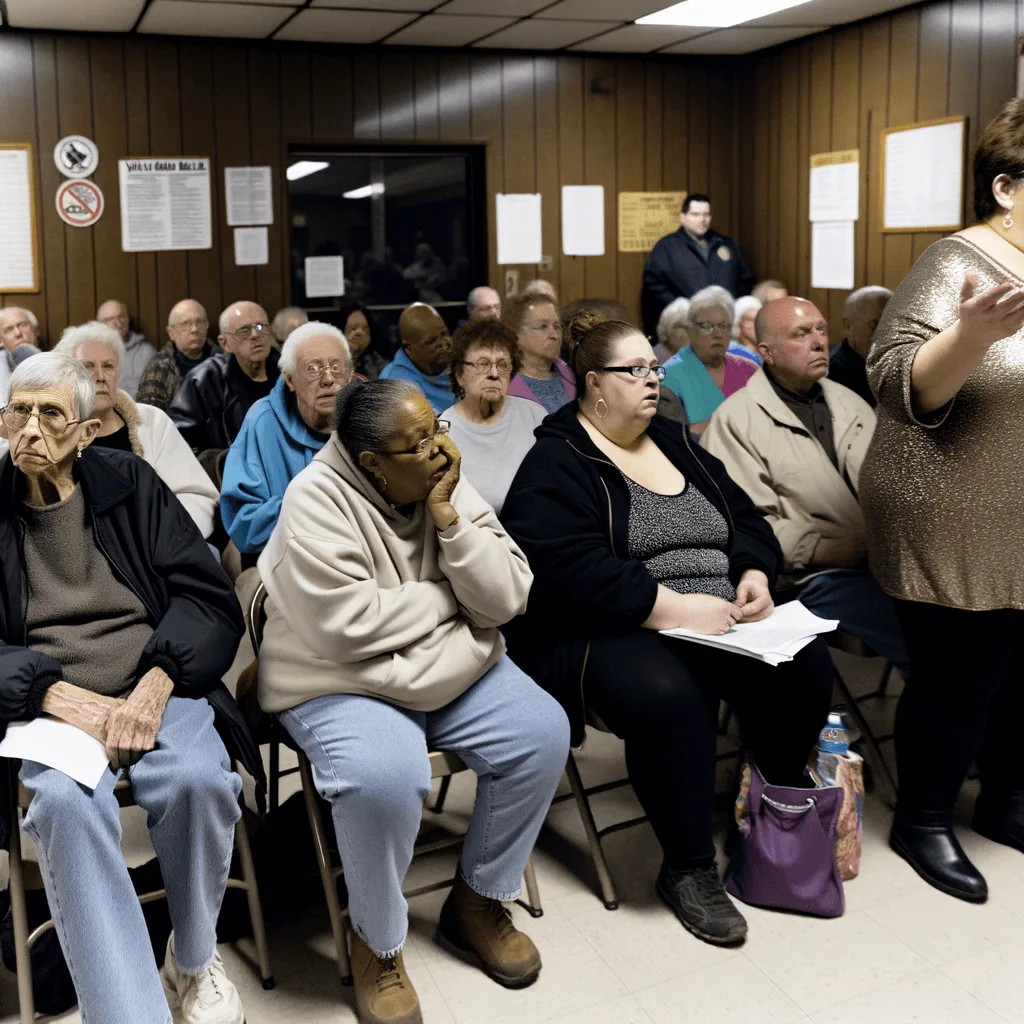
On August 31, 2025, the Okawville Village Board voted 5-2 to impose a ban on the retail sale of all THC-containing products—including delta-9 and newer variants like delta-8—inside village limits. According to detailed reporting by the Morning Sentinel, this Okawville THC sales ban followed weeks of heated discussion, with local business owners and residents voicing strong opinions for and against the move. At the heart of the debate was a proposed dispensary, Green Prairie Wellness LLC, aiming to open downtown. The ban means companies like Green Prairie Wellness must either change business models or look elsewhere. Local governments like Okawville are not alone in facing such divisive cannabis votes, as recent coverage such as this look at the Massachusetts marijuana legalization repeal efforts also shows. The Board cited community concerns about youth safety, law enforcement capabilities, and worries over “changing small town culture.” Despite public comment periods and an uptick in pro-cannabis advocacy letters, the majority of trustees sided with caution. The decision aligns Okawville with a smaller subset of Illinois municipalities that have opted out of retail THC sales, as tracked by the Illinois General Assembly.
Industry Reactions: Analysis, Insights, and Broader Trends
Cannabis insiders are watching the Okawville THC sales ban closely for signs of a new trend, or just another blip in the state’s generally pro-cannabis evolution. Market analysts at Leafly News note that Illinois cannabis retail sales topped $1.6 billion in 2023, showing demand isn’t going anywhere. Yet as industry experts frequently point out, every local ban leaves patchwork loopholes and pushes buyers to the gray market, undercutting legitimate cannabis entrepreneurs. Dr. Bridget Conry, a respected cannabis policy specialist, summed it up in a 2024 interview: “When communities prohibit legal retail, demand doesn’t disappear, it just shifts. That’s a missed opportunity for enhancing public safety, driving tax revenue, and supporting local businesses.” The Okawville THC sales ban is a textbook example of how local politics, not public health science, often steers these decisions. For those concerned about transparency and product integrity amid shifting regulations, in-depth reporting on cannabis testing safety reveals critical truths all consumers should know as bans and gray market activity reshape the industry.
Looking Ahead: Is the Okawville THC Sales Ban a Sign of the Future?
Despite the Okawville THC sales ban grabbing headlines and sparking heated debate, the broader tide in Illinois—and across much of the U.S.—is still moving steadily toward acceptance and regulation. While small pockets may hold out, most municipalities are eyeing cannabis as a tool for revitalization, public safety, and budget relief. According to Forbes, the long-term growth trajectory for the regulated cannabis industry remains bullish, driven by both market and social forces. Okawville’s decision reinforces just how vital it is for advocates and policymakers to keep engaging local leaders—nudging open the door for future change. As the discussion continues, one thing’s for sure: the green wave isn’t stopping anytime soon, and every community’s voice adds color to the national cannabis tapestry.
Originally reported by: morningsentinel.com