





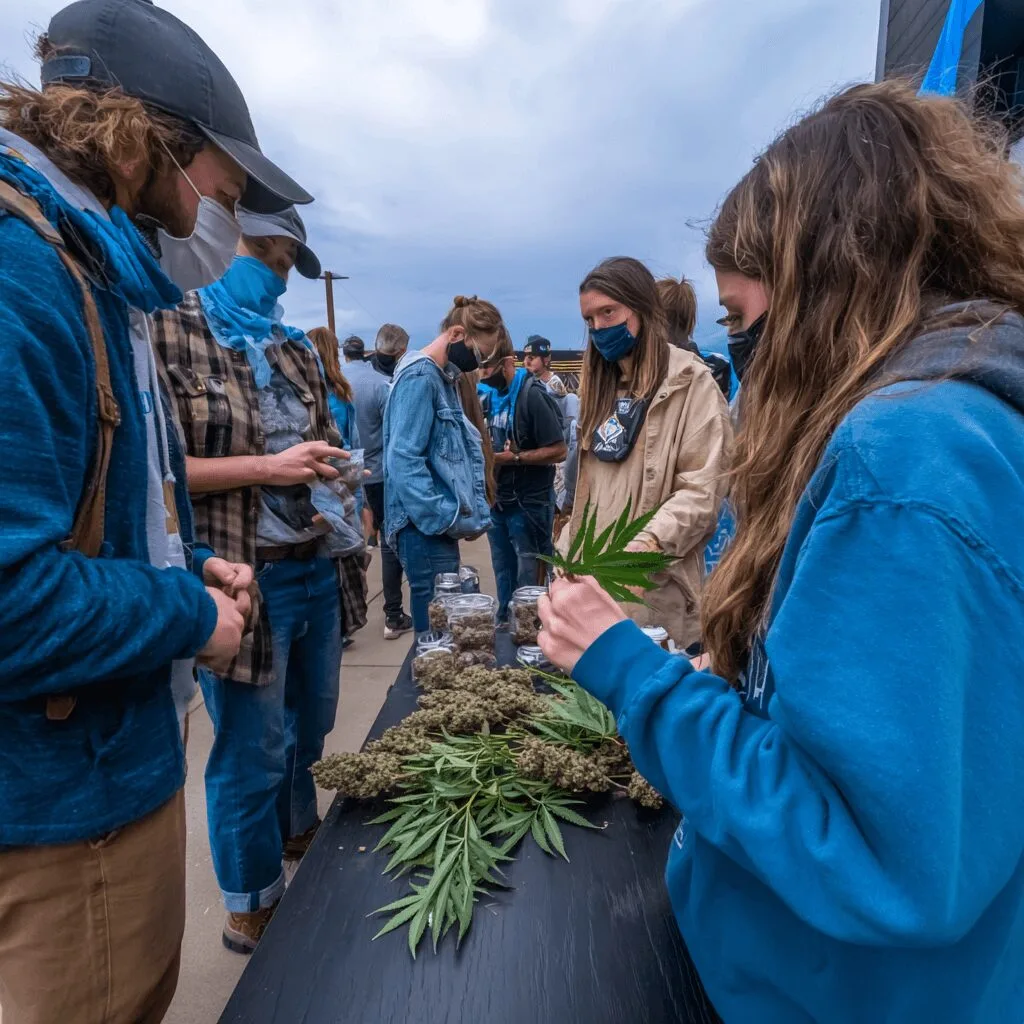
Big changes are brewing in the world of legal cannabis, and nowhere is that truer than with the Ohio marijuana referendum. As state lawmakers gear up to make controversial adjustments, passionate advocates are stepping up to defend what voters already approved. With market trends signaling rapid growth and national eyes on Ohio, understanding the battle over the Ohio marijuana referendum helps you get why this matters for anyone who cares about cannabis freedom, fair laws, and economic opportunity. Let’s unpack what’s happening, why everyone’s talking, and what’s at stake.
Background: The Road to the Ohio Marijuana Referendum
The legalization journey in Ohio has been a wild ride. After years of debate, Ohioans made history in November 2023 by passing Issue 2, allowing adults to possess, grow, and purchase recreational marijuana. This transformative vote (source: Cleveland.com) reflected shifting public attitudes and signaled growing acceptance of regulated cannabis. Yet, as in many states, the story didn’t end at the ballot box. State lawmakers almost immediately started proposing adjustments, citing concerns about safety, taxation, and local control. The regulatory framework for the Ohio marijuana referendum quickly became a battleground, balancing the will of voters and the complex realities of cannabis policy. Reports from MJBizDaily (2023 sales forecast) show high expectations: Ohio’s recreational sales are projected to top $1 billion in year one. That kind of economic promise, plus the ongoing federal debate over cannabis scheduling, brings even more urgency and scrutiny to every move lawmakers make. Similar uncertainty has played out in other states, such as Michigan, which recently experienced significant attention after key moves around marijuana rescheduling created waves across their local cannabis market.
Key Developments: Referendums, Legislative Moves, and Advocate Action
It’s one thing to pass a ballot initiative and quite another to keep it intact. After the passage of the Ohio marijuana referendum, legislative leaders advanced bills to modify key parts of Issue 2. According to NBC4i (source), these changes threatened home grow provisions, tax rates, and how revenue would be distributed. This immediately triggered a response from cannabis advocates, who launched a new referendum drive in early June 2024. Their goal: block the legislature’s revisions and keep the law as voters approved it. If successful, their efforts will stall the changes until Ohioans get a direct say at the ballot box, possibly as soon as the upcoming statewide election. The sparked debate drew attention from groups like NORML Ohio and the Sensible Movement Coalition, with supporters gathering outside government buildings to collect signatures for their new referendum. As of mid-June, advocates need more than 200,000 signatures to get their challenge on the ballot. Recent local events, such as the high-profile chase leading to a marijuana arrest in Bunnell, have heightened the stakes in public and legislative discussions on cannabis regulation.
The legislative dynamics also highlight broader resistance to full cannabis acceptance at the statehouse. Lawmakers argue their changes will protect kids and ensure tax dollars are used “responsibly,” but critics question whether such moves undermine voter intent. The legal process allows citizen referenda to check legislative power, making Ohio a key example of what happens when democracy and cannabis law collide.
Expert Analysis & Pro-Cannabis Counterpoints
Let’s get one thing straight, Ohio is not alone in this post-legalization tug-of-war. As the National Organization for the Reform of Marijuana Laws (NORML) points out, states like California and Michigan faced similar back-and-forth battles after passing legalization. Keeping the Ohio marijuana referendum intact is about respecting direct democracy, not just cannabis. Changes after the fact can erode public trust and send the message that voters’ voices don’t count when it comes to cannabis reform.
Industry experts echo this worry. Jane Stewart, policy analyst at Marijuana Policy Project, notes, “Lawmakers tweaking what voters already approved is like telling people their vote was just a suggestion, not a decision. It stirs up more distrust than any blunt at a family picnic.” (Source: Marijuana Policy Project). That kind of honesty is rare, but it reflects how folks in the space really see it. Meanwhile, MJBizDaily’s regional editors estimate that rolling back pro-cannabis changes could cost Ohio millions in lost tax revenue and stifle small business growth. Industry leaders argue that citizen referenda give cannabis entrepreneurs and consumers a real shot at fair legalization, without political games. As local businesses prepare to navigate evolving regulations, stories like the success of community-focused dispensaries offer a glimpse of resilience in the face of uncertainty. If Ohioans are trusted to decide legalization in 2023, their choice should carry weight beyond the political noise.
Looking Ahead: Growth, Challenges, and the Future of Ohio’s Cannabis Scene
The Ohio marijuana referendum story is still unfolding, but one thing is clear: the fight for smart, fair cannabis laws is just beginning. If advocates collect enough signatures, voters may once again settle the question, reinforcing the trend of direct democracy steering cannabis policy. Nationally, the tide is turning in favor of legalization, as shown in recent Pew Research surveys showing overwhelming support.
Ohio stands at the crossroads—where legislative power, citizen activism, and the evolving cannabis business all intersect. Even with setbacks, the industry’s long-term outlook is bright. States with strong voter-driven laws tend to see more economic growth, fewer criminal justice disparities, and improved community outcomes. As social acceptance grows and regulatory systems mature, the days of cannabis being sidelined or second-guessed are coming to an end. For everyone watching the Ohio marijuana referendum, this is democracy in action, and cannabis is once again proving it’s here to stay. Keep it kind, stay involved, and never underestimate the power of a motivated group of Ohioans and a cause as green as this one.
Originally reported by: nbc4i.com


