Ohio hemp marijuana law: New restrictions signed by Gov. DeWine
Ohio’s cannabis community just got dealt a fresh hand, and everyone’s eyeing how it changes the game. With the Ohio hemp marijuana law shaking up regulations, consumers and producers alike are buzzing about stricter oversight hitting both hemp and high-THC cannabis. Gov. Mike DeWine’s recent signature isn’t just paperwork; it’s a mood shift in the state’s fast-evolving cannabis scene. In the whirlwind of industry growth, changing attitudes, and new market players, the Ohio hemp marijuana law is more than just political posturing—it’s about balancing opportunity, safety, and the green future. Let’s unpack what’s changing, who’s impacted, and where Ohio’s headed next.
Background: Charting Ohio’s Cannabis Course
Ohio’s path to reform has been anything but mellow. Ever since the 2018 U.S. Farm Bill green-lit commercial hemp, states have hustled to keep up, Ohio included. The Ohio Department of Agriculture’s hemp program launched amidst a growing legal patchwork, drawing sharp lines between hemp’s non-psychoactive properties and marijuana’s higher THC content. But as popular hemp products—think CBD gummies and delta-8 carts—blended into mainstream shelves, lawmakers faced mounting pressure over consumer safety, youth access, and unregulated gray markets. According to reliable reporting by Marijuana Moment, the push to tighten oversight has only intensified as neighboring states enact their own updates. Meanwhile, medical marijuana patients and adult-use advocates continue to wrestle with legacy policies, equity concerns, and a thriving illicit market. For states grappling with marijuana health risks, ongoing legislation like the current scientific perspectives on cannabis health helps inform the dialogue. The Ohio hemp marijuana law enters this arena aiming to clarify, control, and, some would say, complicate the scene for both entrepreneurs and everyday users.
Key Developments: Breaking Down the Buckeye Shakeup
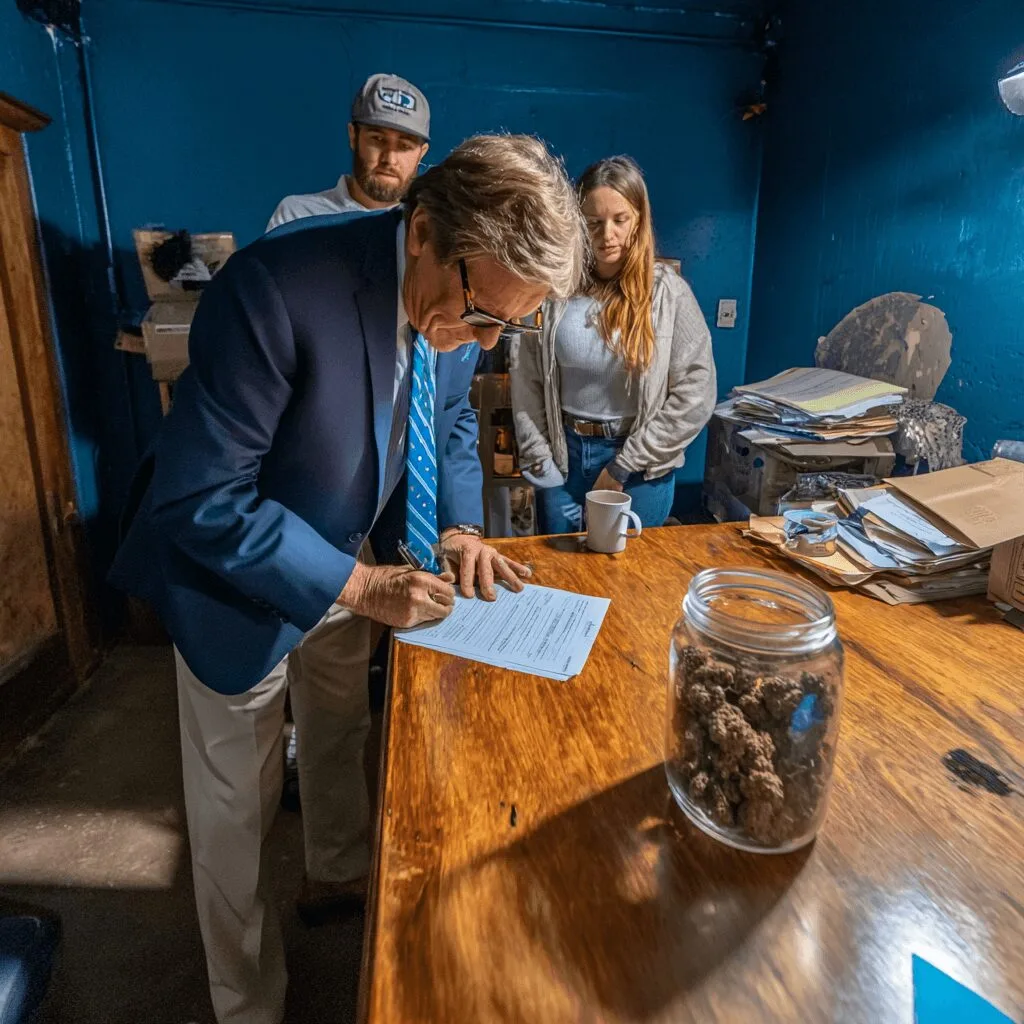
Let’s get into the weeds of what just went down. On December 11, 2025, Gov. Mike DeWine officially signed legislation enacting sweeping new rules for hemp-derived products across Ohio. According to the Columbus Dispatch, the Ohio hemp marijuana law bans the retail sale of delta-8 THC and other synthetic cannabinoids at gas stations, head shops, and convenience stores. Instead, qualifying products are now pushed into tightly regulated dispensaries, leaving some retailers sidelined but framing it as a public health win.
The law lays out new definitions for hemp, clarifies THC testing protocols, and tightens labeling requirements, so now every gummy, tincture, or vape with cannabinoids must boast transparent test results and clear dosing info. Companies out of step risk hefty fines or product seizures, while new licensing rules mean Ohio’s growers and processors face beefed-up inspections. The law also expands police powers for enforcement, aiming to choke off untraceable or improperly labeled products before they reach consumers. Recent moves in other states are relevant for comparison, as highlighted by policy changes similar to Oregon’s evolving hemp THC regulations, which bring consumer and grower interests into sharper focus. Though Ohio’s medical marijuana program remains untouched, these changes reshape how everyone from patients to casual buyers can legally access hemp-based products statewide.
Expert Analysis: Reading the Fine Print, and the Silver Linings
As any industry insider will tell you, change is the only constant in cannabis. The Ohio hemp marijuana law’s new guardrails carry both risk and reward, dampening some innovation, yet potentially creating bigger long-term credibility. Regulatory clarity always brings a bumpy transition. Yet, as High Times columnist and lobbyist Amanda Lewis remarks, “Pushing products into licensed channels isn’t just about control, it’s about trust. When consumers know what they’re buying, the entire industry wins.” State-licensed dispensaries can ensure safety, quality, and honest labeling, addressing public health concerns that have made headlines from coast to coast. On the flip side, market veterans argue these rules risk making legal hemp inaccessible in small towns, especially if specialty shops struggle to navigate licensing bureaucracy. “Legalization’s promise was about access, not red tape,” notes veteran Ohio cultivator Brian Meadows in a recent Marijuana Moment interview. These discussions about access resemble concerns seen in state-level market expansion and regulatory changes elsewhere, which also try to balance innovation and oversight. Still, even industry skeptics admit the new system is a far cry from total prohibition, and, with robust advocacy, it could serve as a model for other states.
Future Outlook: A Greener, Brighter Ohio?
Despite some noisy speedbumps, Ohio stands on the verge of a more responsible—and ultimately more resilient—cannabis marketplace. The Ohio hemp marijuana law signals that policymakers are finally recognizing the complex realities of modern cannabis use. For businesses willing to adapt, opportunities still abound. Consumers get safer choices and a more transparent supply chain, which builds mainstream trust, and that’s no small thing. With continued input from grassroots advocates and expert voices, Ohio’s evolving regulatory playbook could become the new template for states nationwide—ensuring the cannabis revolution rolls forward, not back. For more on responsible policy trends, see in-depth coverage from NORML.
Originally reported by: dispatch.com