





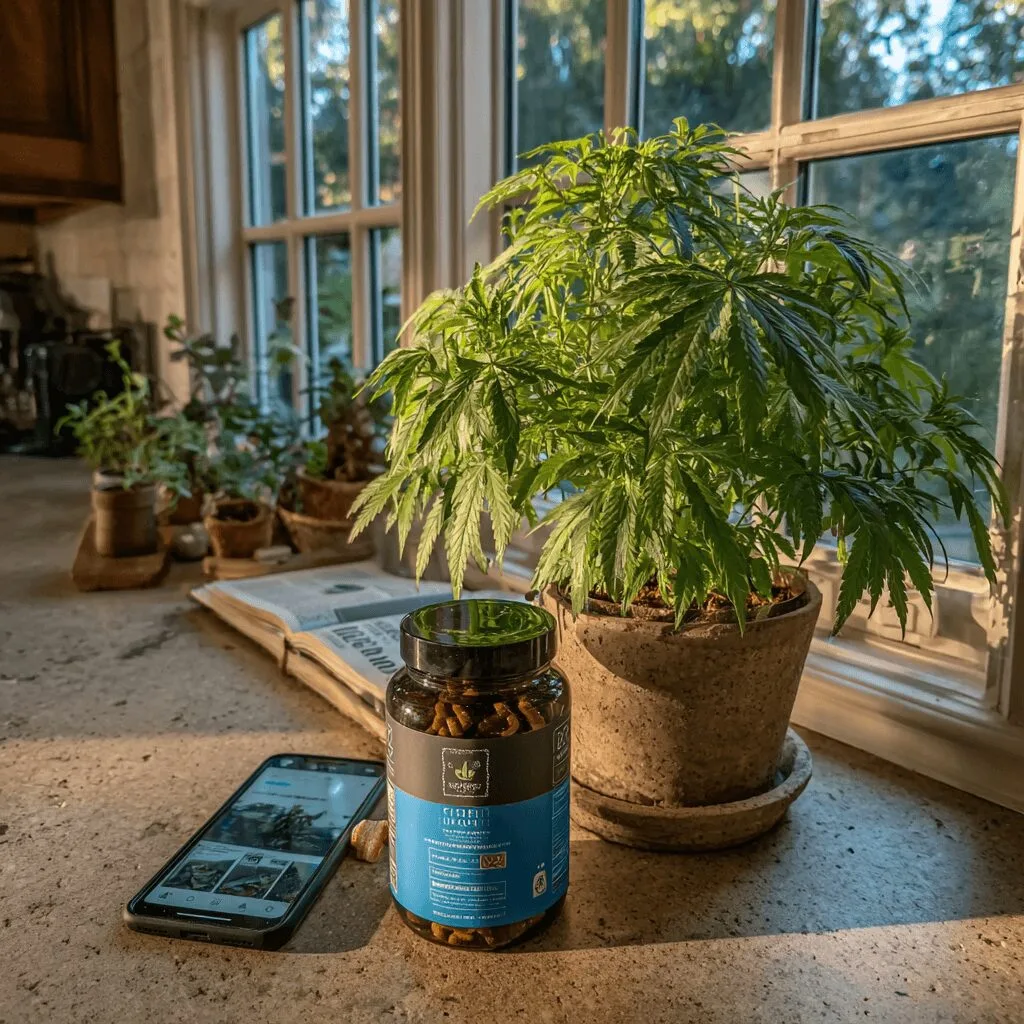
Ohio hemp delta 8 ban: What You Need to Know Now
Let’s be real: if you’re tuned into cannabis culture or even just popping into your local shop, you’ve heard the buzz around the Ohio hemp delta 8 ban. With Ohio’s hemp product scene growing fast and lawmakers moving even faster, this issue is far from a mellow topic. Whether you chill with delta 8 gummies, own a dispensary, or just want to understand the legal highs and lows, this story impacts you. In this guide, we’ll unravel the ban’s background, the latest news, what it means for consumers and businesses, and where things go from here. Consider this your essential update on the Ohio hemp delta 8 ban.
The Road to the Ohio Hemp Delta 8 Ban: Background & Context
Ohio’s relationship with hemp and cannabis products has always been a bit of a rollercoaster, thanks to shifting legislation. The 2018 Farm Bill federally legalized hemp derivatives with less than 0.3% THC, kicking off a booming market for cannabinoids like delta 8 THC (FDA cannabis policy). Delta 8 products, derived from legal hemp, exploded across Ohio shelves, filling a gap for folks wanting legal highs outside of traditional cannabis. As popularity soared, the lines between hemp products and regulated marijuana blurred, catching the attention of the Ohio Board of Pharmacy, industry regulators, and lawmakers. (Marijuana Moment) The mix of rapidly changing cannabis policy in Ohio mirrors disruptive changes seen in other states, similar to recent Kansas THC enforcement crackdowns, where new laws set legal precedents for hemp-derived products. Socially, Ohio saw generational divides, with younger adults eager to embrace new hemp products, while policy-makers worried about safety, market oversight, and access for teens. These regulatory, social, and market forces all set the stage for the Ohio hemp delta 8 ban drama.
Key Developments & Issues: What’s Actually Happening with the Ohio Hemp Delta 8 Ban
So, what sparked the latest headlines? According to News5 Cleveland, in early June 2024, Ohio lawmakers passed House Bill 341, a measure designed to clamp down on delta 8 THC and other hemp-derived intoxicants. The Ohio Board of Pharmacy and Department of Agriculture quickly began enforcing new restrictions. This move suddenly banned the sale of delta 8 and similar products outside of licensed medical marijuana dispensaries, directly impacting mainstream hemp retailers and smoke shops. Companies like Extract Labs, PureKana, and countless local Ohio brands got caught in the regulatory crossfire, with products seized and distribution interrupted. The law redefined ‘intoxicating cannabinoids,’ including delta 8, delta 10, and HHC, previously thought to be legal loopholes. According to officials, the goal was curbing youth access and ensuring product safety. Retailers were forced to pull inventory under threat of penalties, leaving shelves bare and customers demanding answers. For many shop owners, the sudden crackdown inspired confusion and anxiety within the Ohio cannabis community, much like the recent cannabis raids in Humboldt County, where evolving enforcement has shaken local businesses. Legal analysts point out that, as of June, only state-licensed dispensaries can stock delta 8, dramatically shrinking consumer options and threatening market diversity (Hemp Industry Daily). The Ohio hemp delta 8 ban represents one of the strictest stances in the Midwest, signaling a sharp turn in state policy.
Expert Analysis & Insights: What This Means for Ohio’s Cannabis Landscape
For Ohio’s cannabis fans and business owners, the ban is a seismic shift. While it aims to protect consumers, it also restricts adult freedom and choice. According to Leafly, this regulatory trend is not unique, with states nationwide grappling with how to balance access, safety, and oversight for hemp-derived cannabinoids. Many feel the Ohio hemp delta 8 ban is an overcorrection. Dr. Ethan Russo, a renowned cannabis researcher, puts it bluntly: “Delta-8 is less potent and less psychoactive than delta-9, yet hysteria is driving bans instead of science” (Project CBD). The ban could drive consumers to riskier unregulated markets or back to legacy cannabis, undoing years of progress. From a business perspective, thousands of Ohio jobs and millions in tax revenue are on the line. Meanwhile, some medical professionals support the crackdown, citing concerns over unregulated production and misleading labeling, which national regulators have flagged for years (FDA). As with the shocking marijuana-related busts in other regions, the Ohio hemp delta 8 ban sits at the crossroads of public safety, personal liberty, and commercial opportunity.
The Future of Hemp Cannabinoids in Ohio: Outlook & Closing Thoughts
Despite the current ban, the conversation around the Ohio hemp delta 8 ban is far from settled. History shows that restrictive laws often spark fresh debate, legal challenges, and new reform efforts. Ohio’s thriving cannabis community isn’t backing down, pushing for clear, science-based regulation rather than blanket bans. According to advocates at NORML, lawmakers should support safe access for adults and enforce quality standards—not just keep products out of reach. As public acceptance grows and federal laws inch towards change, Ohio may see a smarter, more balanced hemp market return in the future. For now, stay educated, connected, and optimistic—the cannabis industry is used to hurdles but always finds a way to grow.
Originally reported by: news5cleveland.com


