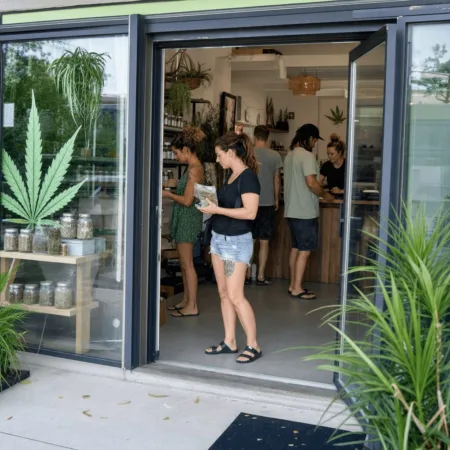
Ohio hemp ban impact: What it means for CBD stores & breweries
Ohio is buzzing with concern as new hemp regulations threaten the heart of its local cannabis and craft brew scene. The Ohio hemp ban impact is landing hard, especially among CBD shops and breweries blending hemp products into their menus. Recent legal moves have thrown the industry into a whirlwind of uncertainty, forcing everyone from small business owners to devoted customers to reconsider the future of hemp-derived goods. Today, we’ll break down why this law change is rocking Ohio, what’s at stake, and what industry pros say comes next.
Background: The Legal Roots of the Ohio Hemp Ban Impact
To really get the Ohio hemp ban impact, you have to understand the legal chessboard set up across the country. In 2018, the federal Farm Bill made industrial hemp legal nationwide, opening markets for non-psychoactive cannabinoids like CBD. But, thanks to a patchwork of state laws, every state tweaks its own rules for what’s allowed. Ohio joined the hemp party in 2019, but legal loopholes soon let potent THC alternatives like Delta-8 and Delta-10 hit shelves—products that deliver a classic cannabis buzz but are technically hemp-derived. This issue is not unique to Ohio, as states across the country have been forced to grapple with new laws around hemp-derived cannabinoids, similar to the way Kentucky has addressed THC-infused beverages through specific regulation. Ohio’s lawmakers, guided by concerns about youth access and unregulated markets (according to The Columbus Dispatch), launched new regulations to curb these products. This is the root of the current Ohio hemp ban impact shaking up small businesses and cannabis consumers alike.
Key Developments: Unpacking Ohio’s Hemp Ban and Its Ripple Effects
The most recent salvo in the Ohio hemp ban impact saga dropped in early March 2026, as state legislators passed restrictions targeting products like Delta-8 THC, commonly sold in local CBD stores and some breweries. According to reporting by The Columbus Dispatch, these rules will force retailers to pull most intoxicating hemp-derived products off their shelves—starting as soon as the ink is dry. In a retail environment already feeling outside pressures, a similar shake-up was seen recently in the Colorado cannabis market where major M&A deals have changed the landscape for businesses. Leading businesses, like Holistic Hemps in Columbus and the popular craft beer operation Urban Growler, are scrambling to retune their offerings to comply. Owners describe mounting confusion as legal definitions shift weekly, and lawyers for the Ohio Hemp Association filed a legal challenge just days after the new rules became law. One CBD store manager summed up the situation, saying, “One day we’re legal, next day we’re outlaws—it feels impossible to keep up.” The stunning pace of these changes has led to immediate product shortages, layoffs in some stores, and major headaches for customers who rely on hemp-derived edibles and oils for relief.
Expert Analysis: Why the Ohio Hemp Ban Impact Is Sparking Industry Debate
The Ohio hemp ban impact is much bigger than a local squabble. It’s a microcosm of tension across the entire U.S. cannabis market. Nationally, lawmakers and experts are arguing over harm reduction, product safety, and the complicated dance between innovation and regulation. As explained by industry stalwart Marijuana Moment, states that clamp down on hemp-derived cannabinoids risk driving both entrepreneurs and consumers into the shadows. According to Dr. Amanda Reiman, a cannabis research director referenced by Leafly News, “Smart regulation doesn’t just mean more rules—it’s about striking a balance where safety meets access.” Experts cite states like Illinois and Colorado for crafting models that integrate adult-use cannabis laws with responsible oversight of hemp-derived compounds rather than outright bans, which can sometimes lead to unintended consequences as seen in recent analyses of crime trends in the cannabis industry. This nuanced approach is key to supporting public health, consumer safety, and thriving cannabis retail. It’s clear the Ohio hemp ban impact isn’t just a passing headache—it’s a pivotal test for market adaptability, civil liberties, and the future of creative cannabis commerce.
Looking Forward: Building a Stronger, Fairer Cannabis Future in Ohio
No one’s denying the Ohio hemp ban impact hits hard, but hope springs eternal in the cannabis community. As legal battles wend their way through state courts, there’s a groundswell of activism and smart policy proposals brewing. Many advocates believe this storm could inspire Ohio to join states leading the charge for commonsense, evidence-based regulation—rewarding quality-minded small businesses while protecting vulnerable populations. National observers—including those at NORML—argue that public acceptance and scientific research are both advancing rapidly, pointing to a bright future where safe, innovative hemp-derived products coexist with a responsible market. Bottom line? Ohio’s hemp ban drama may spark short-term unease, but it’s also catalyzing overdue conversations that could make the industry more resilient, just, and genuinely exciting for everyone—whether you’re a craft beer guru, a CBD enthusiast, or a canna-curious Ohioan. Stay tuned—the best is yet to come.
Originally reported by: dispatch.com