Oakland triple homicide marijuana arrest shocks community
Oakland’s cannabis community is reeling after chilling news broke about a triple homicide connected to a low-dollar marijuana deal, shining a harsh spotlight on ongoing safety concerns and the city’s complex relationship with cannabis. The phrase ‘Oakland triple homicide marijuana’ is now echoing through both advocacy circles and mainstream media, driving fresh debates about public policy, regulation, and societal impact. As uncertainty swirls, industry veterans, local advocates, and concerned citizens are challenging assumptions, calling for reforms, and demanding nuanced coverage over sensationalism. This story isn’t just about crime; it’s about the broader implications for Oakland’s cannabis scene, regulatory balance, and the lived reality of legalization. If you want to understand what’s driving the headlines, what’s next, and why this matters more than ever, read on for an honest, expert breakdown.
Understanding the Legal & Social Landscape: Why Oakland Is at a Crossroads
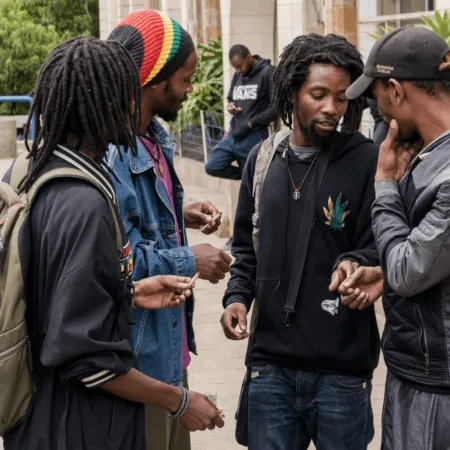
Cannabis in California is firmly legal for adults, but that doesn’t mean every $10 baggie is safe, nor every sidewalk deal benign. Oakland, long a hotbed for progressive reform and community-driven retail, has invested heavily in state-mandated licensing and social equity programs. Yet, persistent gaps remain between fully-regulated dispensary operations and street-level transactions. Legacy markets, those rooted in pre-legalization culture, exist alongside taxed, licensed businesses. This dual market creates vulnerabilities, as noted by Marijuana Policy Project reports, since unregulated transactions often lack safeguards, sometimes dragging cannabis into the orbit of violence. Meanwhile, local officials balance priorities: enabling safe access, protecting social equity, and deterring black market operations. Oakland’s social landscape, diverse, energetic, at times tense, is both shaped by, and a shaper of, these evolving policies. As legalization matures, the disconnect between intended outcomes and lived realities remains a core challenge, especially evident in high-profile incidents like the Oakland triple homicide marijuana case. In communities nationwide, moments of tension over cannabis reforms recall the significant impact even at the point of routine traffic stops involving cannabis.
Key Events: The Oakland Triple Homicide Marijuana Case in the Spotlight
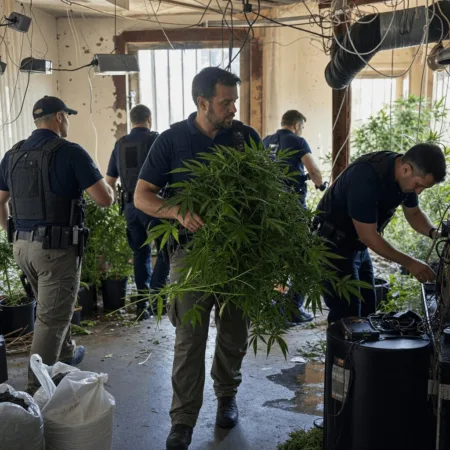
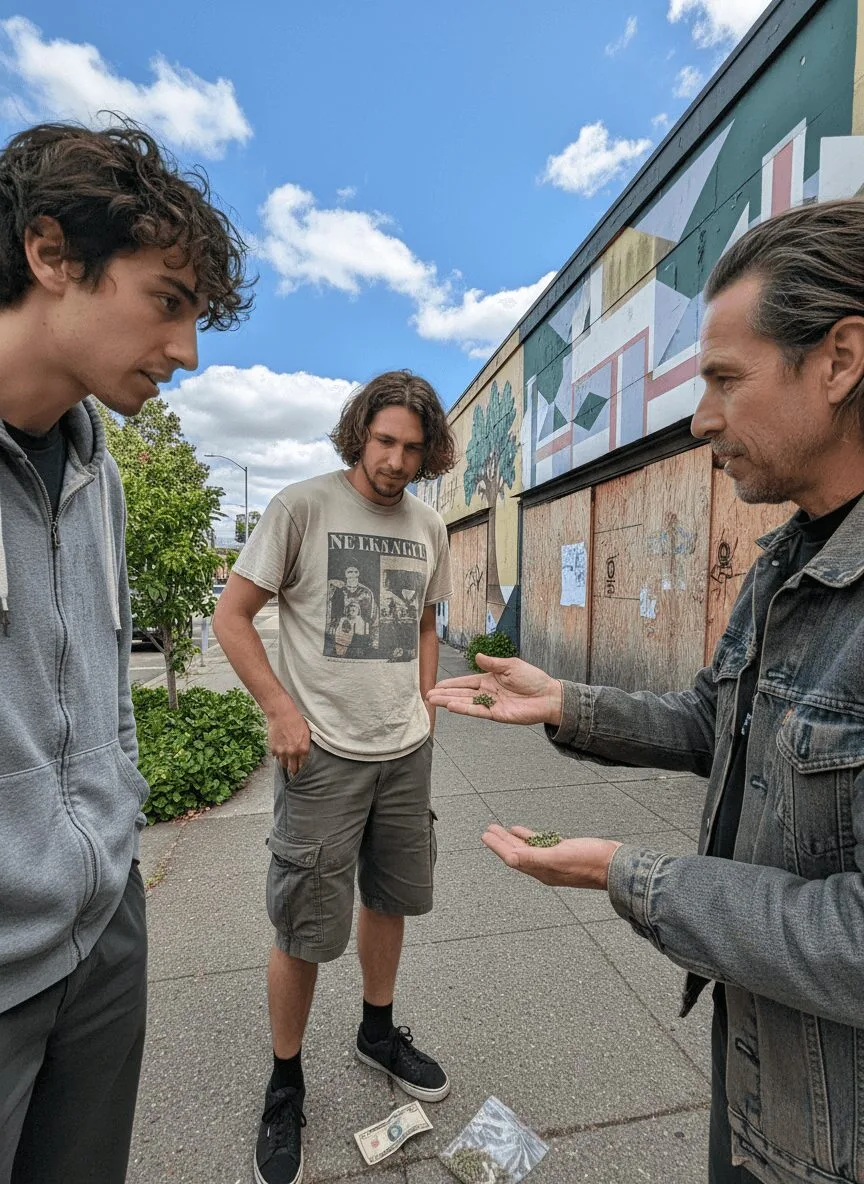
According to KTVU News, the city was shocked by the recent arrest of a third suspect in connection with a deadly incident. This arrest followed an ill-fated marijuana transaction involving a mere $10 purchase. The shooting, which resulted in the loss of three lives, unfolded near an Oakland storefront, illustrating how seemingly minor street deals can escalate into tragedy. Authorities reported that the exchange took place in broad daylight, not far from areas well-known for their vibrant cannabis community. According to police affidavits and legal filings, investigators linked the suspects through a trail of surveillance footage, phone records, and witness testimony. Reactions from the community show frustration and fear, a pattern that echoes disruptions in other localities after sudden criminal crackdowns and marijuana seizures, such as seen in a major marijuana bust shaking a small community. Law enforcement has since stepped up patrols and outreach in key neighborhoods, aiming both to increase safety and rebuild trust with residents in the wake of the Oakland triple homicide marijuana incident.
Expert Analysis, Industry Insights & Pro-Cannabis Perspectives
While headlines pairing ‘Oakland triple homicide marijuana’ stoke understandable fear, they also amplify misconceptions about the broader cannabis culture. Violent outcomes, especially those linked with trivial purchases, highlight persistent gaps in safe, equitable access, not an inherent flaw of cannabis itself. As Leafly’s 2022 policy review points out, ‘Legal markets, when well-regulated and accessible, consistently show declines in cannabis-related violent crime.’ Long-time advocate and Oakland-based educator, Alicia Winston, explains, ‘When people have safe options, nobody should have to risk their life over a $10 bag. That’s not about cannabis—it’s about failed policy and lack of trusted access.’ Most industry voices agree that modernizing retail, addressing social inequities, and bridging the trust gap with local communities—not knee-jerk crackdowns—are essential to moving beyond violence. Moreover, reputable data from sources like the NORML continues to show that legalization generally displaces illicit actors and brings transparency to once-shadowy markets. For small towns and larger markets alike, the true spirit of reform is often celebrated when new businesses open and bring people together, as seen when a recent cannabis business grand opening sparked joy and community. The Oakland triple homicide marijuana case is thus a wake-up call, not proof of cannabis’ inherent danger—a crucial distinction for sound policymaking and public discourse.
The Road Ahead: Safeguards, Hope, and the Future of Oakland’s Cannabis Community
Incidents like the Oakland triple homicide marijuana tragedy underscore the urgent need to close the safety and equity gap in California’s cannabis landscape. But they also strengthen the resolve of those working to make Oakland a model for inclusive, community-driven reform. As Cannabis Business Times reports, each challenge catalyzes new pushes for reform—from ramping up licensing support to investing in anti-violence community programs. By focusing on public education, removing barriers to legitimate storefronts, and expanding social equity initiatives, Oakland’s industry can foster a safer, more vibrant culture—one in which no one risks their life over a simple marijuana deal. As acceptance grows and local leaders learn from hard lessons, the future remains full of possibility and positive change for all those who call Oakland home.
Originally reported by: ktvu.com