





NZ roadside cannabis testing: What drivers must know now
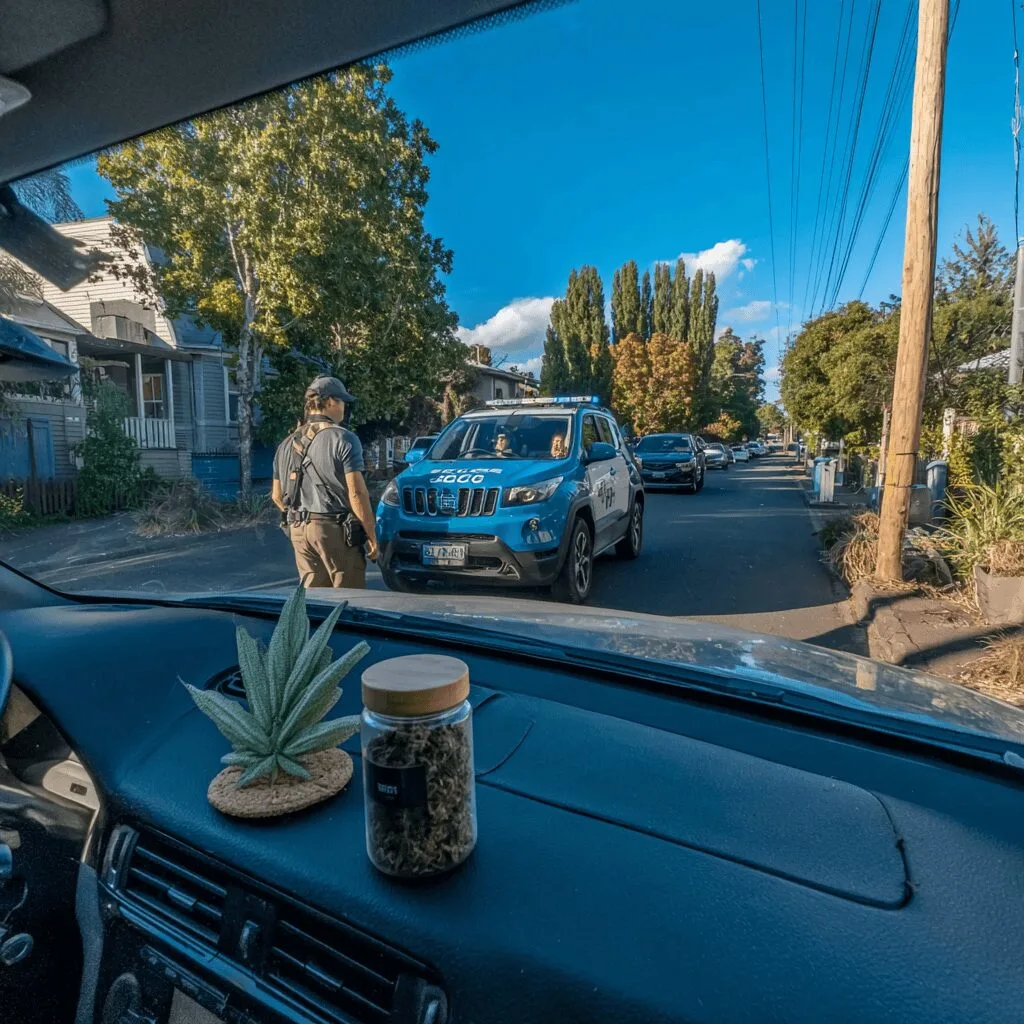
Kiwis, it’s time to pay attention. The issue of NZ roadside cannabis testing is front and center as new laws and testing practices roll out. Drivers are now facing the reality of on-the-spot drug checks, targeting cannabis more directly than ever before. This shift reflects both shifting public attitudes and ongoing safety debates. In this article, I’ll break down what these changes mean for everyday New Zealanders, the facts you need to know, and why the cannabis community is watching closely.
Background: The Road to NZ Roadside Cannabis Testing
For years, cannabis in New Zealand sat at an awkward crossroads: society was warming up to medical and even recreational use, but legal and police frameworks lagged behind. Government efforts introduced medical access in 2020, and public opinion, according to RNZ reporting, has been evolving, although recreational use remains illegal. Along the way, road safety advocates, police, and parliament have debated whether cannabis impairment presents a unique risk on Kiwi roads. Across the world, countries like Canada and some U.S. states pioneer testing, stoking pressure here for new, robust approaches. In similar debates abroad, conversations about second OWI arrests have fueled the cannabis debate, as seen in cases like one recent high-profile arrest in the U.S. New Zealand’s regulations, until now, let drivers slide under the radar unless stopped for clear impairment. But rising cannabis use and international best practices have put roadside drug testing for cannabis in the national spotlight, directly driving the rollout of advanced testing on our streets.
Key Developments: NZ Roadside Cannabis Testing Hits the Streets
The government’s new roadside testing regime launched with the Land Transport (Drug Driving) Amendment Act 2022, fundamentally changing how drivers encounter the law. From March 2023, police in Aotearoa New Zealand have been equipped with oral fluid testing kits designed to check for THC and a range of other drugs during routine checkpoints or traffic stops. Devices from global testing leaders, although sometimes controversial, have been adopted. Recent discussions about test reliability, false positives, and defining real-time impairment have taken place, as detailed by Hemp Gazette’s reporting. Concerns about the potential for symptoms to be misinterpreted—like those seen with cannabis-induced scromiting, a rising phenomenon every user needs to know about—highlight how challenging it can be for law enforcement to distinguish between true impairment and residual presence. The legal framework means refusing to comply or returning a positive on-the-spot swab can now lead to license suspension, fines, and possible criminal prosecution. Unlike alcohol, though, there’s still no scientifically agreed ‘impairment threshold’ for THC. Police, backed by the Ministry of Transport, must now navigate the tricky science of testing lingering cannabis metabolites, which sometimes stay detectable long after any real effect wears off.
Expert Analysis and Cannabis-Industry Insights
As a long-time advocate and industry observer, I see both progress and pitfalls with NZ roadside cannabis testing. Kiwi cannabis patients and rec users alike worry about non-impaired positive tests. Industry heavyweights agree—as THCIntelligence.com puts it, ‘Current roadside THC detection doesn’t reliably prove impairment, only presence.’ That means responsible, off-duty medical cannabis users risk legal headaches, even when they’re stone-cold sober. Leading experts, like Dr. Rhys Ponton (University of Otago), say, ‘The science hasn’t yet matched up with policy. We need robust research and fair legal cut-offs.’ (Source: University of Otago). The reality is that as regulations change worldwide, more families look toward clinical trials for conditions like autism to find new hope with cannabinoids—seen in emerging research and trials. On the advocacy front, groups like the New Zealand Drug Foundation push for education and harm reduction rather than just punitive measures. Globally, as seen in Canada (CBC News), false positives and public confusion are real. These shifts force both law and industry to advance testing technology and knowledge, so true impairment, not mere presence, guides regulation. It’s a classic case of policy chasing the science, and sometimes, running ahead.
Where Next? NZ Roadside Cannabis Testing and a Forward-Looking Cannabis Movement
NZ roadside cannabis testing marks a watershed moment for drivers and the cannabis industry. There’s no denying the safety concerns: nobody wants impaired drivers on our roads. But the future looks bright for sensible reform, improved science, and greater public education. Each round of controversy—and every new test—pushes authorities, labs, and industry leaders to refine their approach, as Cannabiz NZ regularly notes. Expect more advocacy for fair thresholds, better research, and balanced laws. Kiwis are slowly but surely embracing smarter cannabis regulation. With increased dialogue between government, patients, and industry, a better, more just, and still-safe system for all is on the horizon.
Originally reported by: hempgazette.com


1 Comment
Pingback: Minnesota hemp law overturn: What it means for businesses