


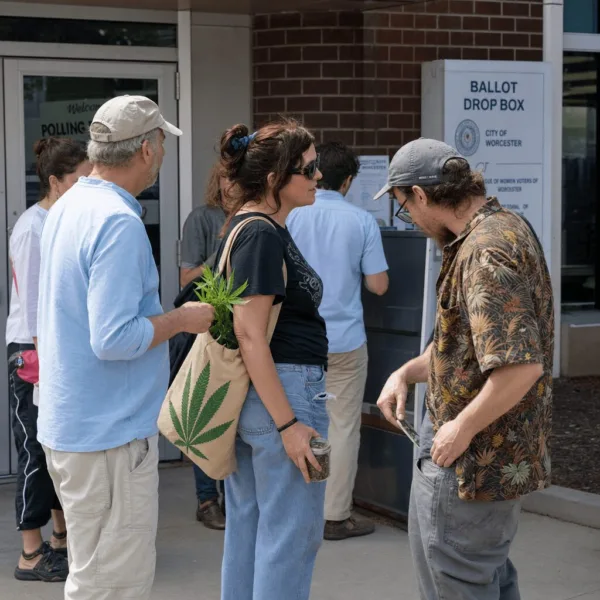



NLRB cannabis workers rights: What Every Employee Must Know
With cannabis legalization spreading and the workforce booming, NLRB cannabis workers rights are at the center of today’s labor movement. As union drives emerge from coast to coast, understanding how the National Labor Relations Board (NLRB) protects cannabis employees is crucial. Whether you’re a budtender, cultivator, or leader in a green rush, staying informed about recent rulings and worker protections isn’t just smart—it’s necessary for job security and industry progress. Let’s untangle what these rights mean, why they matter, and how this evolving legal landscape impacts everyone in the cannabis sector.
Setting the Stage: Regulatory Roots & Legal Groundwork
Cannabis jobs have grown faster than almost any other sector in the U.S., but federal law still casts a complex shadow. The National Labor Relations Board (NLRB) plays a vital role in mediating workplace disputes, defending organizing efforts, and safeguarding collective bargaining, even for cannabis workers employed in a federally illegal but locally accepted market. According to NORML, over half of U.S. states have legalized cannabis in some form, fueling industry legitimacy and new careers. However, this rapid growth presents novel legal challenges: workers in this space navigate both state-compliant businesses and lingering federal prohibition. In recent news, law enforcement activity in cannabis, like the Los Angeles U-Haul cannabis bust incident, demonstrates ongoing federal enforcement risks. As the sector gets more organized, legal protections and NLRB cannabis workers rights are increasingly in the spotlight. Employees crave clarity on where they stand, especially as labor unions like the United Food and Commercial Workers (UFCW) champion industry standards. These evolving dynamics create fertile ground for informed advocacy and regulatory action.
The Latest: Key Developments Impacting NLRB Cannabis Workers Rights
Recent headlines have been dominated by high-profile disputes and milestone rulings. On April 5, 2026, according to OnLabor, the NLRB weighed in on a pivotal case involving a multi-state cannabis operator facing allegations of union-busting tactics. The company was accused of firing, retaliating against, or intimidating workers who were seeking to organize. In landmark language, the Board clarified that cannabis sector employees are fully entitled to the same federal labor protections as those in other industries, including the right to form a union, engage in concerted activity, and be free from unlawful dismissal or coercion.
These developments are not isolated. Just last year, regulators in Illinois affirmed that state-licensed cannabis businesses must comply with both state labor standards and federal norms enforced by the NLRB. Elsewhere, workers at retail and cultivation shops in states like California and New York have successfully voted to join unions, citing increased attention to NLRB cannabis workers rights in contract bargaining and workplace safety protocols. This growing recognition of employee rights echoes similar momentum seen in other states, where policy changes such as the Missouri THC seltzer ban are impacting businesses and workers alike. These legal precedents actively shape the cannabis sector’s labor landscape, sending clear signals to both employers and employees. From local grievances to national lawsuits, the message is consistent: NLRB oversight covers cannabis workers, period.
Insider Insights: Why NLRB Cannabis Workers Rights Matter
The ripple effects of these rulings go way beyond a few headlines. Industry veterans stress that worker empowerment improves every part of the supply chain, from cultivation to the customer counter. Jane Rodriguez, a labor policy director quoted in MJBizDaily, states, “Ensuring equitable NLRB cannabis workers rights isn’t just about fair pay, it’s about job stability, dignity, and building a resilient cannabis economy.” Some employers see worker organization as a challenge, but most smart operators recognize it as a chance to nurture skilled labor, lower turnover, and boost company reputation. In practice, unified workplaces often outperform their non-union peers, with fewer OSHA violations and higher standards. The broader industry trend is clear: as cannabis gains legitimacy, protecting labor rights becomes both a cultural and business advantage.
Of course, there are bumps in the road. Ongoing discussions about the intersection of medical cannabis and mental health highlight just one area where state laws and workplace standards evolve in tandem. Some states still grapple with conflicting regulations and slow-to-adapt local laws, testing the limits of how far NLRB cannabis workers rights reach. But by keeping workplace dialogue open and referencing national precedents, teams across America are building a playbook for progressive labor relations in cannabis.
The Road Ahead: Where NLRB Cannabis Workers Rights Go From Here
From advocacy circles to boardrooms, momentum is building for robust labor standards in cannabis. Legal experts and trusted sources like Leafly predict that NLRB cannabis workers rights will only become more significant as the sector expands. With every successful organizing drive and landmark NLRB ruling, the message echoes louder: cannabis employees deserve the same legal recognition and protection as any other worker. This evolution means greater professionalism, workplace safety, and industry pride—qualities everyone can celebrate, whether trimming plants or managing a dispensary. As regulations mature and social acceptance grows, expect to see better wages, clearer contracts, and a true culture of dignity for all involved. For workers considering their place in the green revolution, knowledge of NLRB cannabis workers rights is the key to a safer, brighter tomorrow.
Originally reported by: onlabor.org

2 Comments
Pingback: Neural Fingerprint Psychedelic Drugs: Scientists Reveal New Brain Insights
Pingback: Washington cannabis dispensary plans: Big vote set for future