



Massachusetts cannabis legalization repeal: What voters must know
In 2024, the Massachusetts cannabis legalization repeal debate has reignited, putting the future of adult-use cannabis back in the spotlight for voters statewide. Recent ballot measures and intensified lobbying catch the eye of everyday citizens, business owners, and policymakers alike. As legal cannabis continues evolving, understanding the range of potential impacts has never been more crucial. This guide breaks down what’s truly at stake, the forces at play, and what a repeal would mean for Massachusetts.
Understanding the Massachusetts Cannabis Legalization Repeal: Background & Context
Following years of legislative battles and growing public support, Massachusetts legalized recreational cannabis in 2016 through a citizen-backed ballot initiative (Cannabis Control Commission). The measure was heralded as a victory for personal liberty, business innovation, and criminal justice reform. Over the past decade, the Commonwealth built one of the nation’s most robust regulated cannabis markets, generating hundreds of millions in tax revenue and supporting thousands of jobs. According to Marijuana Moment, public perception of cannabis has shifted as part of normal downtown life, rather than just a ‘counterculture’ accessory. Still, regulations remain strict: comprehensive seed-to-sale tracking, local opt-out provisions, and restrictions on public consumption shape the landscape. Issues like cannabis travel across state lines and associated penalties have also emerged, as explored in recent guidelines for flyers. Yet the topic of the Massachusetts cannabis legalization repeal keeps creeping back, fueled by ongoing debates about youth access, impaired driving, and the persistent federal-state legal gray zone. For voters, it’s a dense web of legal, social, and economic consequences to untangle.
Key Developments & Issues in 2024
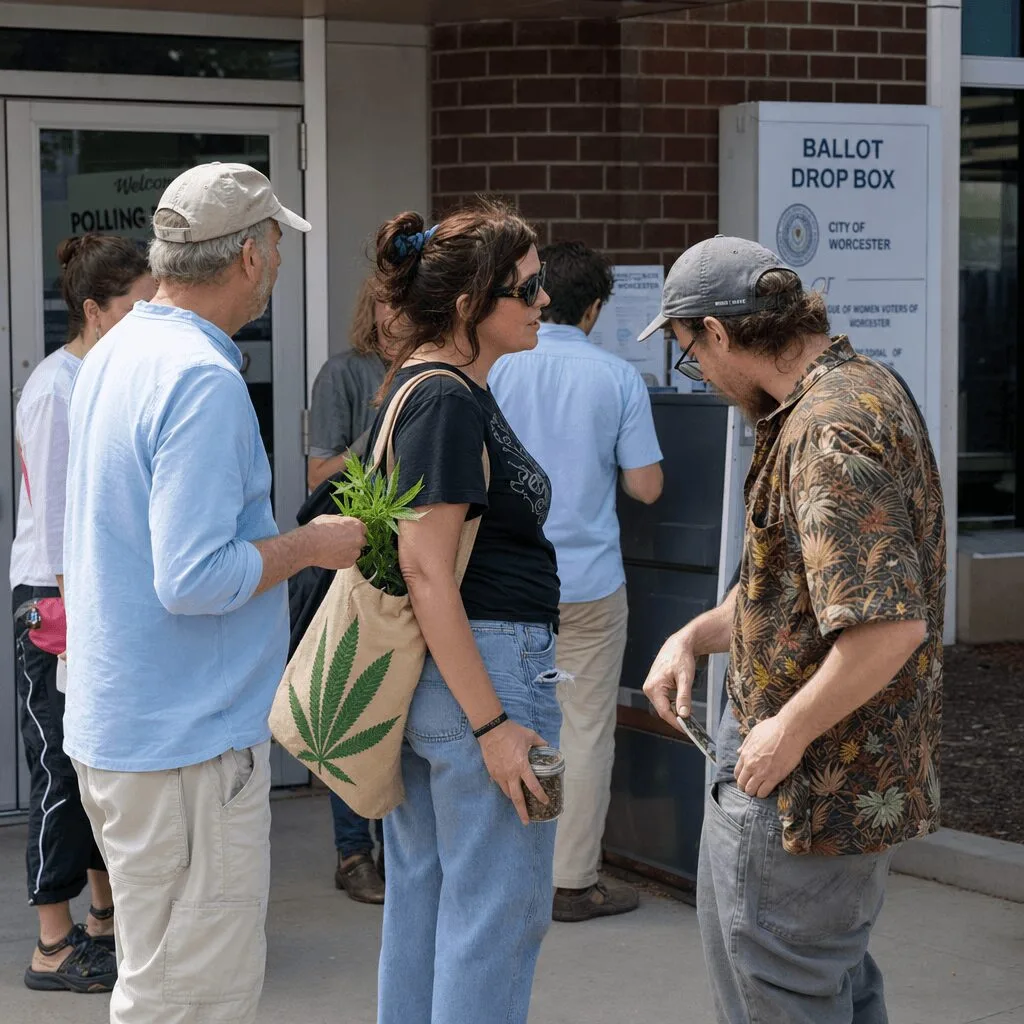
The Massachusetts cannabis legalization repeal resurfaced on the public radar after a coalition filed a new ballot initiative in early 2024, aiming for a vote in November. According to Axios Boston, this effort, initiated by groups concerned about substance abuse and school safety, would overturn the 2016 adult-use law, shutter recreational dispensaries, and force regulators to unwind the current marketplace. The proposal drew immediate responses from industry leaders like New England Treatment Access (NETA), social equity advocates, and business associations, all warning of the economic and legal turmoil a repeal would bring. Discussions around similar enforcement challenges have surfaced in nearby states, underscored by stories such as a notable Maine grow bust that sparked policy debate. State legislative committees reviewed public testimony from doctors, parents, police, and entrepreneurs. On July 12, 2024, the Massachusetts Secretary of State confirmed the question would appear on the November ballot. The debate now dominates headlines, city hall meetings, and neighborhood conversations, intensified by national cannabis policy shifts and market volatility in states like California and New York (CNBC Cannabis News).
Expert Analysis & Industry Insights
The Massachusetts cannabis legalization repeal raises significant red flags among seasoned advocates, legal analysts, and entrepreneurs. As the market continues to mature, repealing adult-use laws would not only set back years of progress but also create a messy legal patchwork. Experts reference case studies in Colorado and Oregon, where regulated markets led to fewer illegal sales and improved public health outcomes (Leafly Analysis). “Repealing legalization would be a regulatory nightmare and devastate the hard-won progress for equity and small business,” said Shaleen Title, former Massachusetts Cannabis Control Commissioner, in a 2024 interview (Shaleen Title). If the repeal proceeds, legal uncertainty could disrupt jobs, jeopardize investments, and disproportionately impact marginalized communities. National data show that market pressures and demand trends, similar to the situation in Illinois where the market adapted despite falling prices, offer relevant lessons (trends in Illinois’ evolving cannabis market). At the same time, public health researchers point out that evidence-driven regulation—rather than prohibition—remains the most effective way to manage risks like youth access and impaired driving (Joint Together). Most industry insiders agree: instead of solving problems, a Massachusetts cannabis legalization repeal could revitalize illicit markets and delay essential reforms.
Future Outlook & Conclusion
Looking ahead, Massachusetts cannabis legalization repeal stands as a pivotal moment for the state’s economic resilience, social justice, and policy evolution. Win or lose, the ballot fight forces stakeholders to confront hard questions about regulation, education, and community impact. Nationally, the tide appears to be flowing toward broader acceptance and smarter cannabis laws—backed by state revenues, health data, and major employer support (Pew Research Center). No matter the outcome, the cannabis community will keep building partnerships, sharing science, and advocating for responsible policy. In 2024, Bay Staters’ decision on the Massachusetts cannabis legalization repeal won’t just shape local neighborhoods: it’ll echo across the nation and set a precedent for what cannabis reform looks like in a new era.
Originally reported by: axios.com