





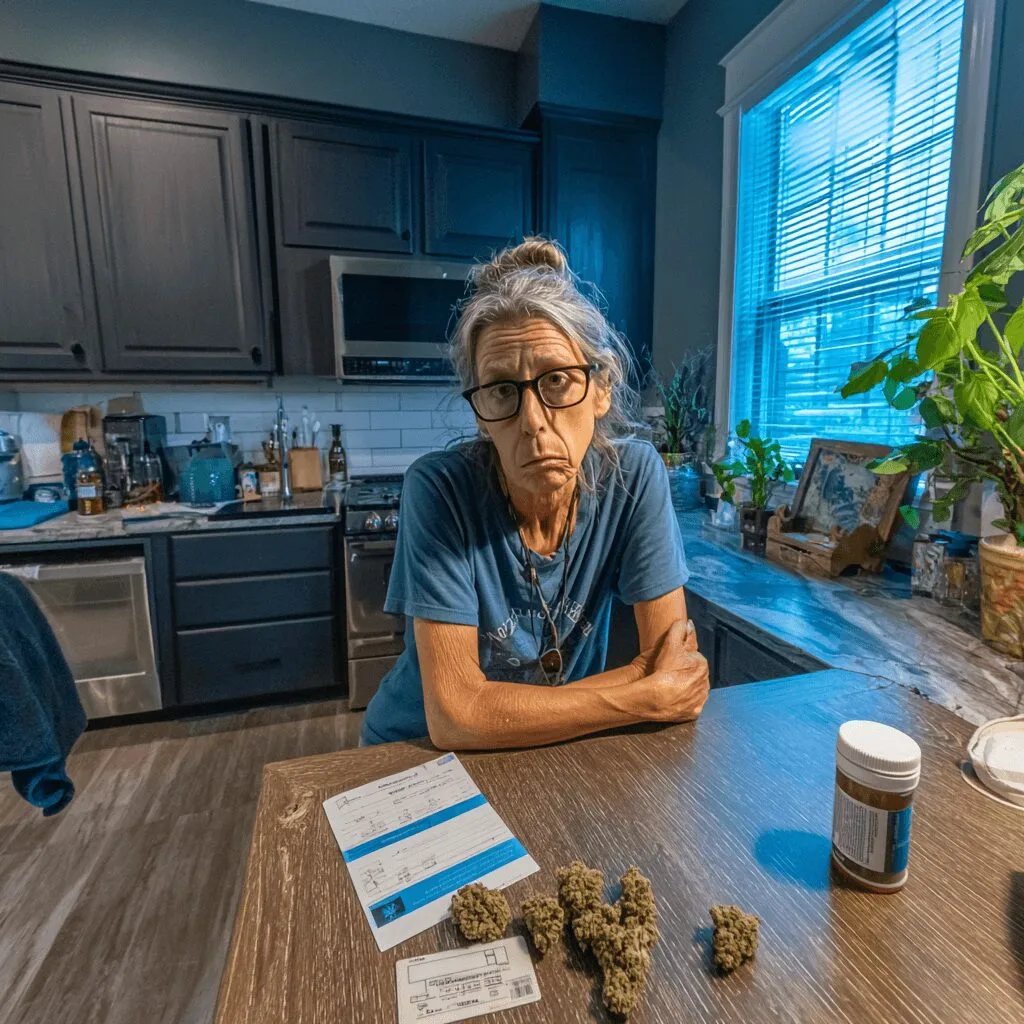
NJ medical marijuana enrollment: Surprising Drop Explained
The landscape for NJ medical marijuana enrollment is shifting fast, and everyone’s feeling the effects. Recent data has shown a sudden drop in patient participation, grabbing headlines and sparking debate. This isn’t just another blip—there are deep-rooted causes and big implications for patients, providers, and the broader cannabis industry in New Jersey. In this guide, we’ll break down why enrollment is falling, what’s really driving these changes, and what it all means for the future of medical cannabis in the Garden State.
Why NJ Medical Marijuana Enrollment Change Matters: The Legal & Social Backdrop
NJ medical marijuana enrollment trends are a powerful indicator of where cannabis culture and regulation are headed. The state legalized medical marijuana in 2010 under the Compassionate Use Medical Marijuana Act. Since then, the New Jersey Department of Health and later, the Cannabis Regulatory Commission, have overseen program evolution. The big turning point? Adult-use cannabis legalization in 2021, bringing in new dispensaries and easy access for recreational users. But here’s the twist, with more widespread recreational availability, medical patients face a similar situation as seen in other states that legalize adult-use, where enrollment dips noticeably, as regulatory changes in nearby regions have shown with their own bold shifts. Meanwhile, New Jersey regulators keep tweaking program requirements, making waves for both patients and providers. Add in shifting public attitudes, less social stigma and more normalization, and it’s clear the market’s undergoing a major realignment. Medical enrollment is closely watched by lawmakers and advocates, since these numbers impact funding, research priorities, and patient protections.
Key Developments: The What (and Why) Behind NJ Medical Marijuana Enrollment Drop
Let’s get into the facts. As first reported by New Jersey Monitor, the number of registered medical marijuana patients in New Jersey took a notable dip over the past year. According to recent state data, the state’s patient count fell by more than 35% after the launch of adult-use sales last year, sliding from roughly 128,000 to under 82,000 by Spring 2024. Medical-only dispensaries, already fighting for market share, are now feeling the squeeze, with some reporting closures or pivots to serve recreational users too, reflecting challenges similar to the recent closure of facilities in other states. Meanwhile, the cost gap remains. Many patients say adult-use flower is easier to obtain and legal limits are less strict, but prices are higher than in the medical program. Yet some insurance providers still decline to cover medical cannabis, leaving patients caught between out-of-pocket expenses, paperwork and inconsistent availability.
Adding to the complexity, the New Jersey Cannabis Regulatory Commission revised its program in late 2023, moving to more digital cards and streamlined renewals. While this was meant to simplify enrollment, some patients experienced glitches and confusion, briefly delaying access. Patient advocates have raised red flags, arguing that vulnerable populations—especially seniors and low-income residents—may drop out if fees and hoops aren’t addressed. As highlighted by NORML, similar declines hit other states post-legalization, but New Jersey’s drop has been especially steep. For a look at how these issues have surfaced during heated policy debates in public safety sectors, see the recent case on firefighters and medical marijuana rules in Maryland.
Expert Insights: What’s Really Driving the NJ Medical Marijuana Enrollment Trend?
So, what’s happening beneath the surface? Industry experts point to a cocktail of causes. First, the speed of adult-use rollout was a double-edged sword: “When recreational cannabis came to New Jersey, it offered choices for patients but weakened the medical system’s unique value,” notes Dr. David Nathan, founder of Doctors for Cannabis Regulation (Doctors for Cannabis Regulation). Dispensary wait times, product variety, and stigma have all improved, but medical patients now ask whether the extra steps are really worth it. On top of that, state and local taxes can make the price gap between medical and adult-use less clear, depending on the product.
Some see opportunity, suggesting that if New Jersey makes medical access easier and more affordable, NJ medical marijuana enrollment could rebound to levels that better serve patients, as successful adaptations are underway in other legalized states. As noted by various community figures who have championed grassroots cannabis policy, robust medical systems set the foundation for innovation, patient trust, and better regulation in the recreational sector. At the end of the day, experts warn against neglecting the medical side, since ongoing adaptation remains essential for a truly inclusive cannabis landscape.
Future Outlook: What’s Next for NJ Medical Marijuana Enrollment?
Here’s the good news: New Jersey’s cannabis industry is evolving, and every challenge brings fresh opportunity. While the NJ medical marijuana enrollment downturn is real, it’s not a death knell—far from it. State leaders are already reviewing policy reforms, from reducing patient costs to broadening the list of medical conditions. More insurance options and digital cards could make a comeback for patients who left the program, especially if public health data keeps proving medical benefits. As Cannabis Business Times highlights, states that strike a balance between medical and recreational thrive the most. Advocates, regulators, and providers are pushing to safeguard the program’s unique value. With rising public support and smarter regulation, NJ medical marijuana enrollment could soon stabilize—fueling not just personal wellness but future industry breakthroughs. Keep watching this space: the next chapter of New Jersey cannabis is just getting started.
Originally reported by: newjerseymonitor.com

1 Comment
Pingback: Miami airport marijuana arrest: What really happened?