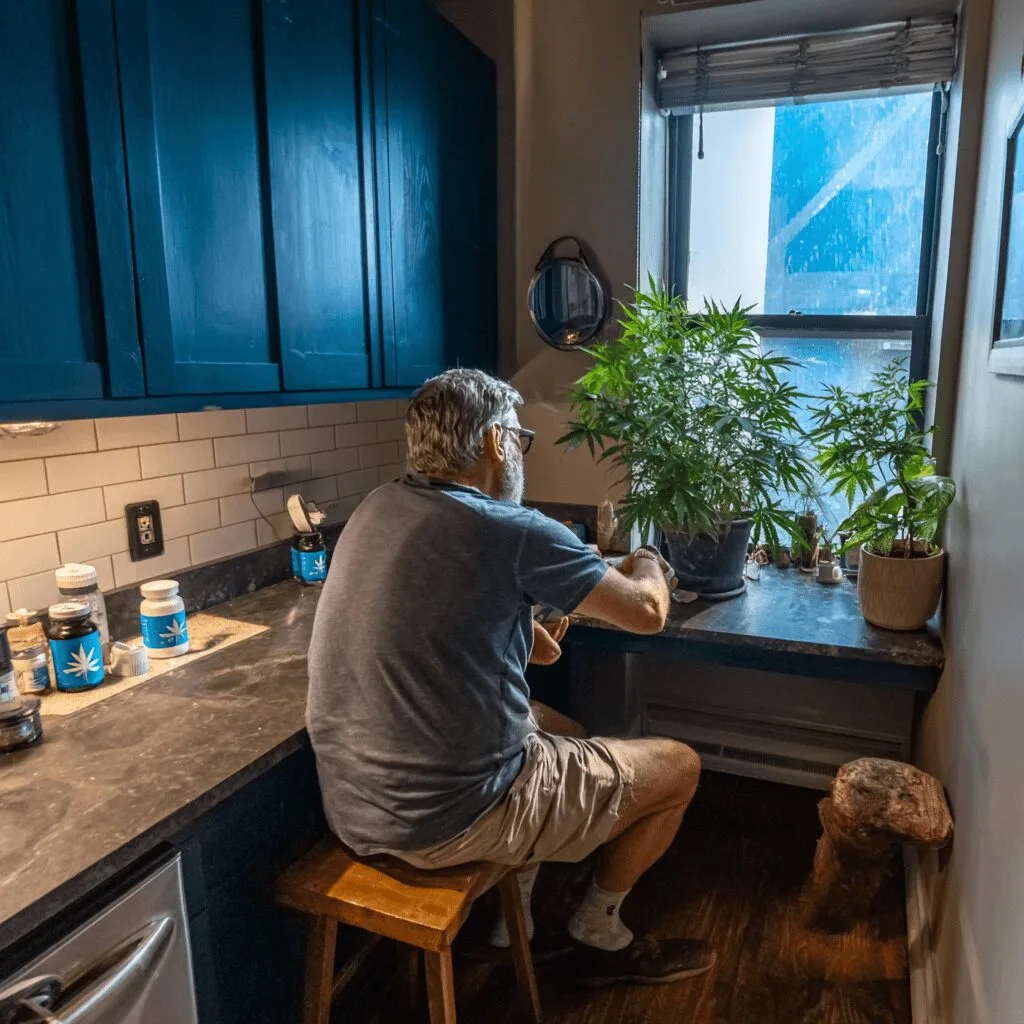
New York Opioid Reduction Cannabis: Transforming Pain Care
There’s something big brewing in the Empire State, and it’s not just another overpriced latte. The conversation around New York opioid reduction cannabis is heating up fast, especially with the explosion of health policy reforms and a renewed awareness of opioid addiction’s toll. With medical cannabis now entering the pain management mainstream, everyone—from politicians to patients—is watching closely. This article breaks down the rise of New York opioid reduction cannabis, unpacks policy milestones, and looks at what it means for future urban healing and real-world pain care.
Understanding New York Opioid Reduction Cannabis: The Policy Backdrop
New York hasn’t exactly been slow in the cannabis game lately. Following national calls for a smarter and safer approach to pain management, the state took center stage by linking cannabis to opioid reduction. In 2018, New York became the first state to explicitly allow medical cannabis as an opioid alternative or replacement, driven by a sharply rising overdose crisis (NBC News). Culturally, stigmas around cannabis are fading, while public support—especially in boroughs hit hardest by opioid deaths—is surging. Regulators, led by the New York State Office of Cannabis Management, continue crafting patient-focused reforms (NYS OCM). There’s both political will and advocacy, fueling an evolving market that mirrors trends in other states where legalization has spurred economic change, similar to shifts seen in the Wisconsin cannabis landscape. Market watchers see a perfect storm for change, as both pain specialists and urban residents call for expanded access to legal, safe cannabis for opioid reduction.
Key Developments Driving New York Opioid Reduction Cannabis in 2024
The turning point came in July 2018, when New York’s Department of Health officially included opioid replacement and opioid reduction as qualifying conditions in its medical cannabis program (NY DOH). This policy was a direct reaction to the state’s opioid overdose rates, which by 2017 had claimed more than 3,200 lives annually. In practice, this means physicians can recommend medical cannabis as a first-line or adjunct option for anyone who might otherwise be prescribed opioids. Since then, thousands of patients have swapped or reduced opioid use with cannabis, with the NY Cannabis Growers & Processors Association (NYCGPA) and local dispensaries reporting spikes in these requests. These medical cannabis policy changes have been echoed by hospital pain clinics and urban harm reduction programs. Stories of law enforcement and public use bans—like those receiving attention in recent debates over public marijuana use and community safety—highlight the complexity of implementing these reforms in practice. Medical experts and lawmakers—like Senator Diane Savino—have cited data showing a measurable drop in opioid scripts in counties where medical cannabis is most available. The media has also picked up stories of patients like Queens resident Maria S., who cut her OxyContin use in half after accessing regulated flower from certified dispensaries (Pain Medicine News), reinforcing the real-life impact of New York opioid reduction cannabis reforms in 2024.
Expert Analysis: Cannabis in the Opioid Crisis Crosshairs
The idea of using cannabis for opioid reduction isn’t just a hopeful high thought, it’s increasingly science-backed. As Marijuana Moment and the Journal of the American Medical Association have reported, states with robust medical cannabis laws consistently see lower opioid prescription rates. Dr. Staci Gruber, Director of Harvard’s Marijuana Investigations for Neuroscientific Discovery, explains, “When medical cannabis is added to treatment, many patients see a real decrease in opioid reliance in both dose and frequency” (Forbes). New York opioid reduction cannabis is uniquely urban too—patients juggling chronic pain, city hustle, and medical mistrust often prefer natural, plant-based therapies over prescription narcotics. Experts in both pain medicine and substance use prevention now acknowledge that regulated cannabis offers a realistic, harm-reduction alternative, not a silver bullet. As the National Organization for the Reform of Marijuana Laws (NORML) points out, adult-use legalization and medical access together help destigmatize cannabis and give doctors much-needed flexibility. Shifting market dynamics and state policies also reflect changes in how cannabis production prices and supply issues impact consumer access. There’s still pushback—tough questions about long-term safety, misuse, and the science behind dosing—but the clinical, social, and economic case for New York opioid reduction cannabis continues to strengthen, making the state a model for others facing opioid overdose challenges in 2024.
The Future of New York Opioid Reduction Cannabis: Hope, Healing, and Policy Momentum
As New York’s cannabis ecosystem matures, more patients and pain specialists are finding hope in these reforms. Early results show fewer opioid deaths and a spike in treatment satisfaction, as highlighted by the CED Foundation. The state’s regulatory framework now serves as a blueprint for cities nationwide. Expect rapid innovation—think more inclusive qualifying conditions, streamlined patient registrations, and stronger community education. For New Yorkers grappling with chronic pain and addiction, cannabis is no longer a back-alley remedy—it’s a respected part of healthcare. As attitudes shift, so do laws, gradually opening the door for even wider cannabis adoption and continued reduction of opioid harm. The story of New York opioid reduction cannabis is just beginning, promising a new era of compassionate, science-backed urban medicine.
Originally reported by: painmedicinenews.com