The New Orleans CBD shooting isn’t just headline news—it’s a wake-up call for everyone in urban America, especially as the intersection of public safety and modern lifestyles gets more complicated. With legal cannabis gaining momentum, unexpected events can spark new conversations about security, policy, and community well-being. In this article, we dive into what happened, why it matters, and what’s next for both the city and the cannabis scene.
What’s Shaping the Scene: Regulatory & Social Environment in New Orleans CBD
For folks who live, work, or just chill in downtown New Orleans, the New Orleans CBD shooting is a stark reminder of the city’s ongoing push-pull between urban vibrancy and public safety. Louisiana’s regulatory landscape is already tricky, with cannabis legal for medical uses, but recreational use remains a gray area, sparking debates about stigma, policing, and responsible consumption. According to a detailed report from NORML, many in the Big Easy hope smarter, more adaptive regulations will lower street tension and support harm reduction initiatives. To see how other states approach similar cannabis oversight, check out this comprehensive survey on state cannabis regulations. Meanwhile, the Central Business District is a magnet for young professionals, tourists, and business owners, all navigating evolving public safety measures, especially where cannabis culture begins blending into everyday life.
The Incident: Breaking Down the Key Developments in the New Orleans CBD Shooting
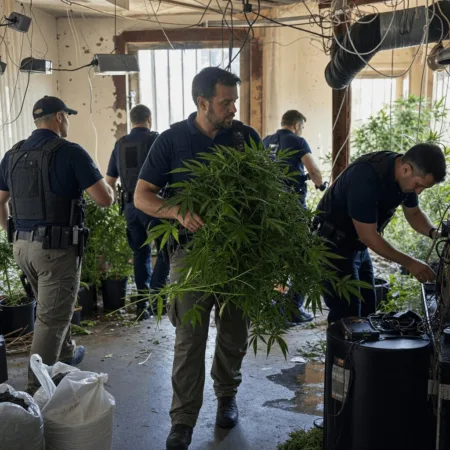
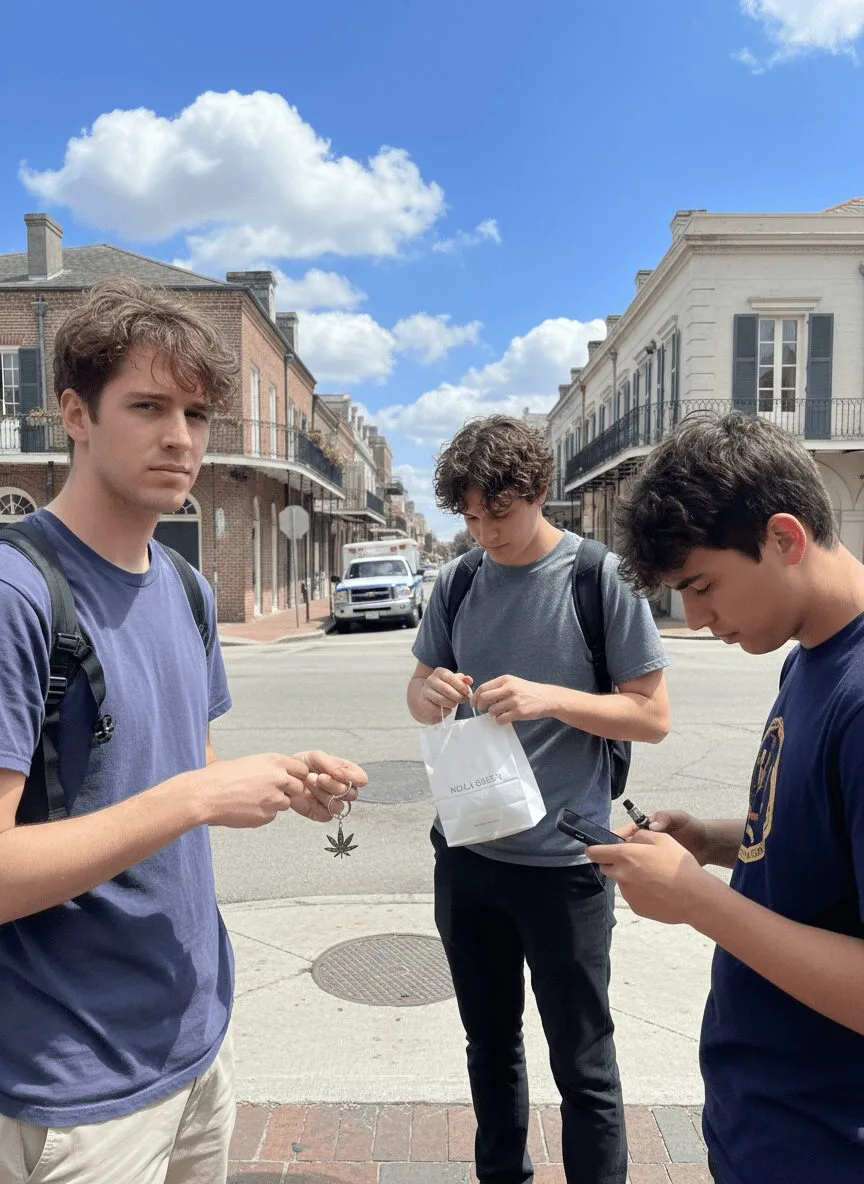
According to WDSU News, the shocking event unfolded in broad daylight near O’Keefe Avenue and Poydras Street. On June 5, 2024, gunfire erupted around 2:30 p.m, leaving three people injured and a single individual detained by New Orleans Police Department officers. This all happened just steps away from local businesses, lunch crowds, and daily commuters. In fact, incidents like these highlight why law enforcement agencies in other cities, such as when police bust major marijuana operations, spark industry-wide debate. As the scene unfolded, bystanders reported confusion and fear, but swift action ensured no fatalities. Officers cordoned off the intersection, quickly rendered aid, and began interviews with witnesses. While law enforcement is investigating potential motives, early reports confirmed that neither a cannabis dispensary nor a cannabis-specific business was directly involved. However, the vibe on the street and some minor cannabis-related accessories among bystanders connect this event loosely to the broader New Orleans cultural scene. The story drew widespread attention, with city officials citing ongoing concerns around urban violence, social tension, and bystander safety.
Cannabis, Culture, & Community: Insights on Broader Industry Impact
Let’s get real, the New Orleans CBD shooting might look like another headline grabbing at straws, but it’s symbolic of how intertwined public safety and lifestyle freedoms have become. Cannabis isn’t the bad guy here. Plenty of Leafly reports point out that when cannabis laws shift toward acceptance and education, communities see reduced tension and less criminal activity. Dr. Rachel Knox, a leading cannabis policy expert, recently stated, “A regulated cannabis environment actually promotes public health and brings opportunity to neighborhoods that need it most.” While most people on the street were just going about their day—cannabis is hardly the culprit behind broader city violence. Instead, this incident draws attention to the need for holistic approaches, such as stronger community investments, better access to safe public spaces, and sensible drug policy reforms. These types of reforms have also helped cities maximize public benefits, as seen in this look at how marijuana tax revenue is distributed and supports municipalities.
Looking Ahead: Opportunity, Progress, and Hope After the New Orleans CBD Shooting
It’s easy to get weighed down by scary headlines, especially when images of the New Orleans CBD shooting flood social feeds. But there’s another way forward. As more people embrace transparent cannabis education, compassionate policing, and urban renewal, cities like New Orleans can balance vibrancy with safety. According to a recent Brookings Institution analysis, proactive regulation tends to yield stronger, safer, and more inclusive communities. Locals—and visitors—are calling for less stigma, smarter rules, and investments in well-being, not just enforcement. Whether you’re a consumer, business owner, or just passing through, the future of New Orleans’ Central Business District will be shaped by how communities learn from tough moments and choose growth over fear. Let this incident spark solutions, not divisions.
Originally reported by: wdsu.com