

New Orleans CBD shooting: Shocking Details Emerge
If you’ve checked the news, the New Orleans CBD shooting has sparked some serious conversations. Right now, public safety and cannabis regulation are hot topics in city centers nationwide. The incident reveals how rapidly shifting urban and cannabis policies can intersect with street life, stigma, and safety. Let’s dig into what happened, why it matters for the cannabis scene, and what it all means for city life and marijuana culture.
The Urban, Regulatory Context Surrounding the New Orleans CBD Shooting
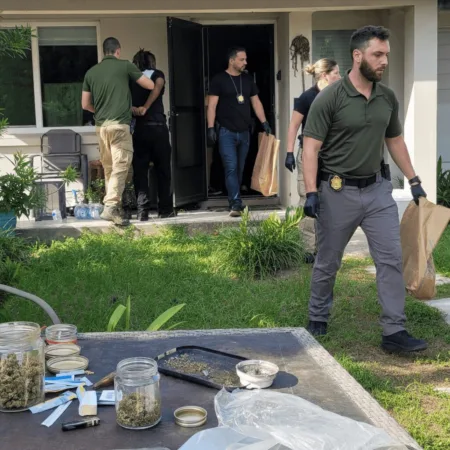
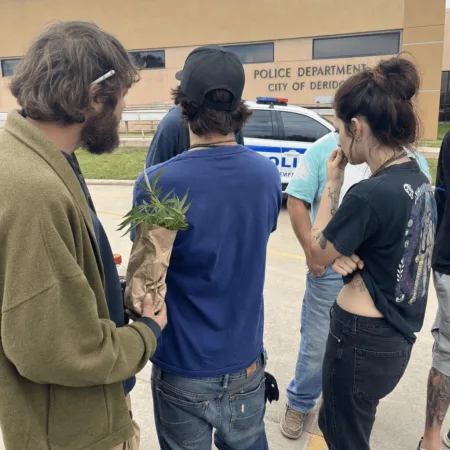
The New Orleans CBD shooting didn’t happen in a vacuum. In recent years, New Orleans has seen a surge in cannabis-related discussions, especially after Louisiana decriminalized small amounts for personal use. Law enforcement and city officials now juggle enforcing public safety, while adapting to changing public attitudes about cannabis. According to Leafly, these changes haven’t erased the stigma, especially downtown, where diverse crowds and nightlife mix with a growing cannabis culture. Local ordinances continue to overlap with statewide regulations, creating a hazy legal climate, especially when incidents occur in well-trafficked business hubs like the Central Business District (CBD). Communities in other parts of the country are facing their own regulatory turbulence, as seen in recent local drug enforcement actions in Athens-Clarke County, underscoring common challenges in adapting to evolving cannabis policies.
What Went Down in the New Orleans CBD Shooting: Key Developments
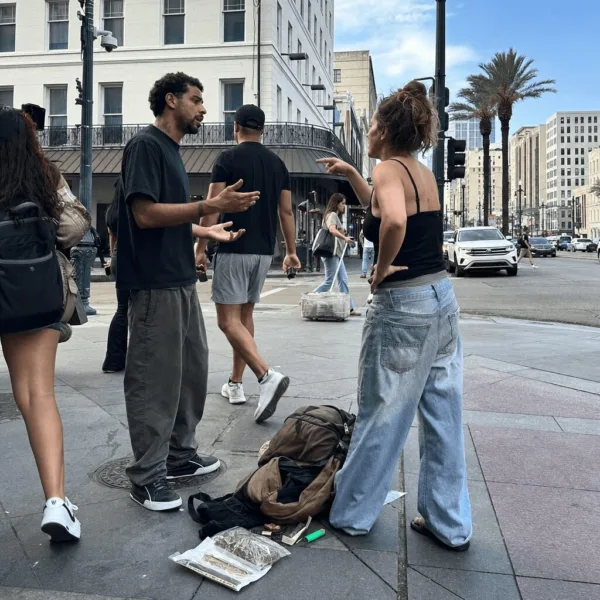
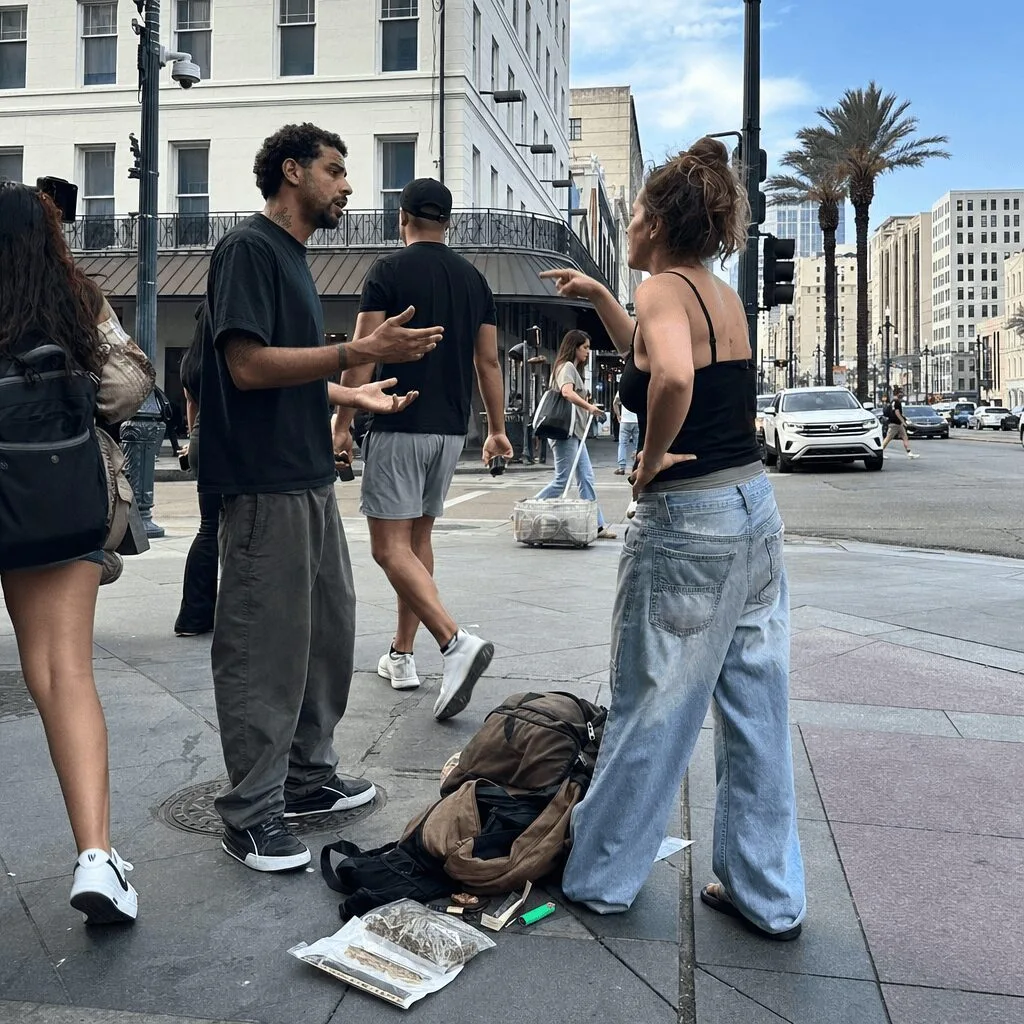
According to a recent report by WWLTV, the New Orleans CBD shooting unfolded late at night near a busy corner, sending shockwaves through the community. Authorities confirmed two individuals suffered non-life-threatening wounds. Details remain under investigation, but witnesses described a heated street dispute escalating quickly. While scattered cannabis paraphernalia was visible near the scene, officials have not confirmed any connection between the altercation and cannabis use itself. The police response was swift, with patrol units securing the street and local businesses cooperating fully. No suspects have been officially identified or charged, but city leadership has reiterated their commitment to public safety and clear communication with downtown employers and residents alike. These efforts echo broader national conversations, such as reactions to recent cannabis-linked grand jury indictments in Warren County, reflecting how local criminal justice practices are evolving alongside changes in cannabis law.
Expert Analysis: Cannabis Stigma, Street Life, and the Truth Behind Headlines
Let’s be real, any incident involving cannabis props in public view tends to set off alarms. But it’s crucial not to jump to conclusions or buy into sensationalism. As long-time industry observer Tom Angell, Marijuana Moment puts it, “Criminalizing people for mere cannabis paraphernalia is out of step with the realities of modern urban life.” The New Orleans CBD shooting demonstrates how cannabis stigma still shapes narratives, even when the plant has nothing to do with root causes of conflict. With cannabis regulation evolving, we should focus on addressing underlying social pressures, not blaming the plant. This perspective is supported by recent shifts in New York, where the real impact of city cannabis policy now centers on improving community equity. Reviews in Cannabis Business Times further underscore that most cannabis-related citations remain non-violent and rarely drive serious public safety threats.
Looking Forward: Building a Safer, Smarter New Orleans Cannabis Scene
In the wake of the New Orleans CBD shooting, community voices are calling for context, compassion, and common sense. Downtown New Orleans is poised to benefit from more nuanced conversations about cannabis, public safety, and social responsibility. Policy trends are moving toward restorative justice and clearer urban safety measures, as confirmed by NORML. As cannabis professionals and advocates, we’re seeing increasing cooperation between city leaders, law enforcement, and industry reps—potentially turning difficult moments into catalysts for real progress. The future? More empathy, smarter regulation, and a thriving, inclusive cannabis culture out in the open.
Originally reported by: wwltv.com