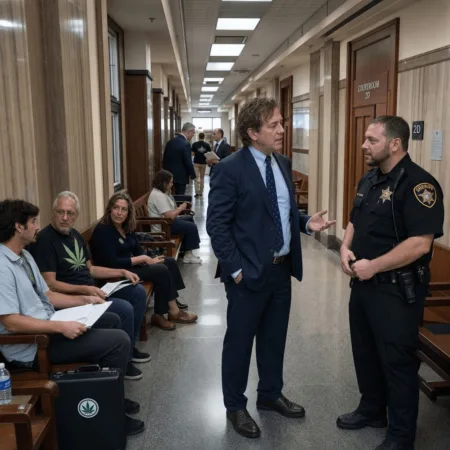
Nebraska’s New Approach to Medical Cannabis Regulation
In exciting news for cannabis advocates, Nebraska lawmakers are pondering pivotal legislation that could transform the state’s medical cannabis landscape. Naturally, this move has sparked much discussion among policy enthusiasts, and of course, those requiring these treatments. So, what’s the scoop on Nebraska’s potential shift?
The Journey to Legalization
Efforts to introduce medical cannabis legislation aren’t novel in Nebraska. Previously, many attempts hit roadblocks, often stalling in the crucible of political debate. However, what makes this legislative session different? Interestingly, stakeholders seem more aligned this time, and with the focus on streamlining medical cannabis access, momentum might just carry the day.
The Key Players and Proposals
Several bills have been put forward, each with distinct features. In particular, these proposals aim to regulate medical cannabis cultivation, distribution, and consumption. Lawmakers are emphasizing patient safety and accessibility. Could this be the balanced approach Nebraska needs?
The Impact on Communities
So, you might ask, how does this affect Nebraska’s communities? If passed, the legislation could offer patients newfound hope, broader treatment options, and perhaps even economic growth. Many believe this is more than a policy shift; it’s a step toward health equity.
A Question of Timing
Timing is everything. With increasing support for cannabis reforms nationally, Nebraska’s potential leap towards legalizing medical cannabis feels timely. Analysts suggest that not seizing this opportunity might leave the state on the back foot compared to progressive counterparts.
Nebraska’s Future with Medical Cannabis Regulation
Looking ahead, questions remain. Will Nebraska successfully integrate medical cannabis into the health sector? Moreover, how will stakeholders navigate potential pitfalls? Ensuring robust regulation and community engagement will be key. As with any policy shift, balance is crucial.
Originally reported by the Unicameral Update.