





What’s Behind the Nebraska AG Synthetic THC Crackdown?
So, what’s fueling this Nebraska AG synthetic THC crackdown? The story starts with growing regulatory uncertainty around hemp-derived products. While federal law, thanks to the 2018 Farm Bill, technically allows hemp with less than 0.3% Delta-9 THC, it leaves a gray area around newer cannabinoids like Delta-8 and synthetics. This gray area has complicated things for states and opened the door to conflicting approaches nationwide (Marijuana Business Daily). Nebraska has seen an influx of these products in retail, fueling both local business opportunity and legal ambiguity. The situation echoes concerns in other states where stores have come under intense scrutiny for selling questionable THC products after incidents involving children and edibles, showing how law enforcement reactions vary. The AG’s move is Nebraska’s latest response to a trend shaping the national cannabis industry as consumer demand collides with evolving laws and political unease. Meanwhile, public opinion on synthetic cannabinoids is split. Some Nebraskans welcome their lower prices and convenient access. Others worry about safety, lack of regulation, and youth exposure. State officials and law enforcement have faced mounting pressure to clarify the legality of these items, especially as neighboring states take more decisive action (New York Times).
Major Enforcement Moves: Cease & Desist Orders and Storefront Scrutiny
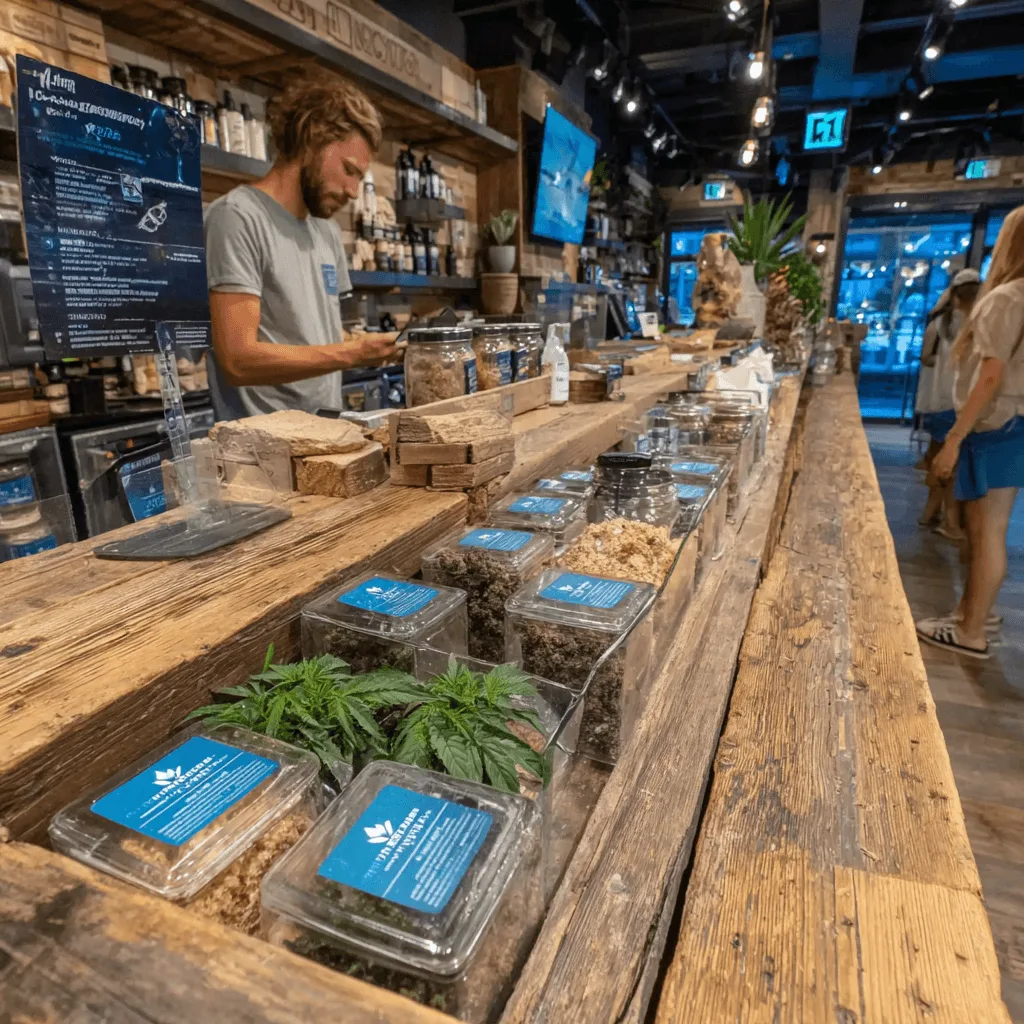
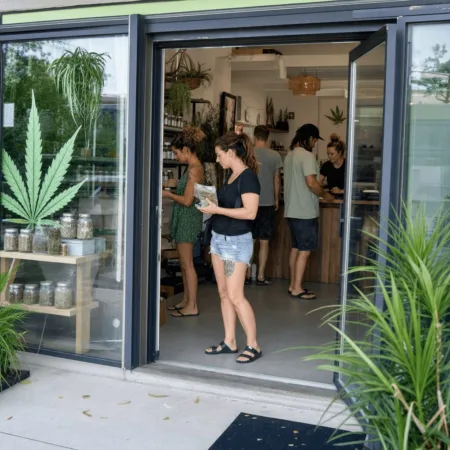
On June 4, 2024, the Nebraska Attorney General’s Office took center stage. According to Nebraska Public Media, cease and desist letters went out to 12 retail stores across the state. The reason? Alleged illegal sales of products containing Delta-8, Delta-10, and other forms of “synthetic THC.” Storefronts named in the letters include High Society, Smoke Signals, and Mystic Oasis, all popular in their communities. The AG referenced safety concerns and possible violations of existing state drug statutes, asserting some shops were “knowingly distributing controlled substances.” Enforcement isn’t just limited to big cities, small towns and rural dispensaries are just as exposed to audits and surprise visits. With demand still high, these businesses now face uncertainty, legal bills, and the threat of state action if they don’t comply fast. Outrage and debate have followed similar dispensary shutdowns in other regions, adding to the larger conversation about fairness and consistency in enforcement. According to Leafly, Nebraska’s prohibitive cannabis laws create confusion and risk for small business owners who’ve jumped into the hemp-derived cannabinoid space. While the crackdown is making headlines, it’s also raising questions for retailers about which products are truly legal to sell and what could trigger legal repercussions.
Expert Analysis: Why This Crackdown Matters and Where Things Might Be Headed
This Nebraska AG synthetic THC crackdown sends a strong message, but it’s not happening in a vacuum. States across the country are grappling with similar cannabinoid confusion, trying to balance local business interests with consumer safety. Industry insiders are watching Nebraska’s approach closely. This reflects broader challenges, such as those seen when parents in other states have faced crises around accidental THC exposure, fueling calls for clearer regulations. As High Times recently noted: “An unclear legal framework will only create more chaos for responsible operators and empower bad actors to exploit the gaps.” Most cannabis experts agree a patchwork of regulations add risk for small retailers. Many observers anticipate that crackdowns like Nebraska’s will push the conversation toward broader, comprehensive reform. That means states, and eventually, possibly Congress, will need to update laws to reflect how fast these cannabinoids hit the market. “You can’t put this genie back in the bottle, but you can regulate it more intelligently,” says Morgan Fox of the National Cannabis Industry Association (NCIA). Until then, expect uncertainty and creative workarounds from a resilient, entrepreneurial hemp sector.


3 Comments
Pingback: Illinois Hemp-Derived THC Ban: What’s at Stake?
Pingback: Virginia Medical Marijuana Sales Smash Expectations
Pingback: Marijuana Wholesale Tax Concerns: What Dispensary Owners Fear