





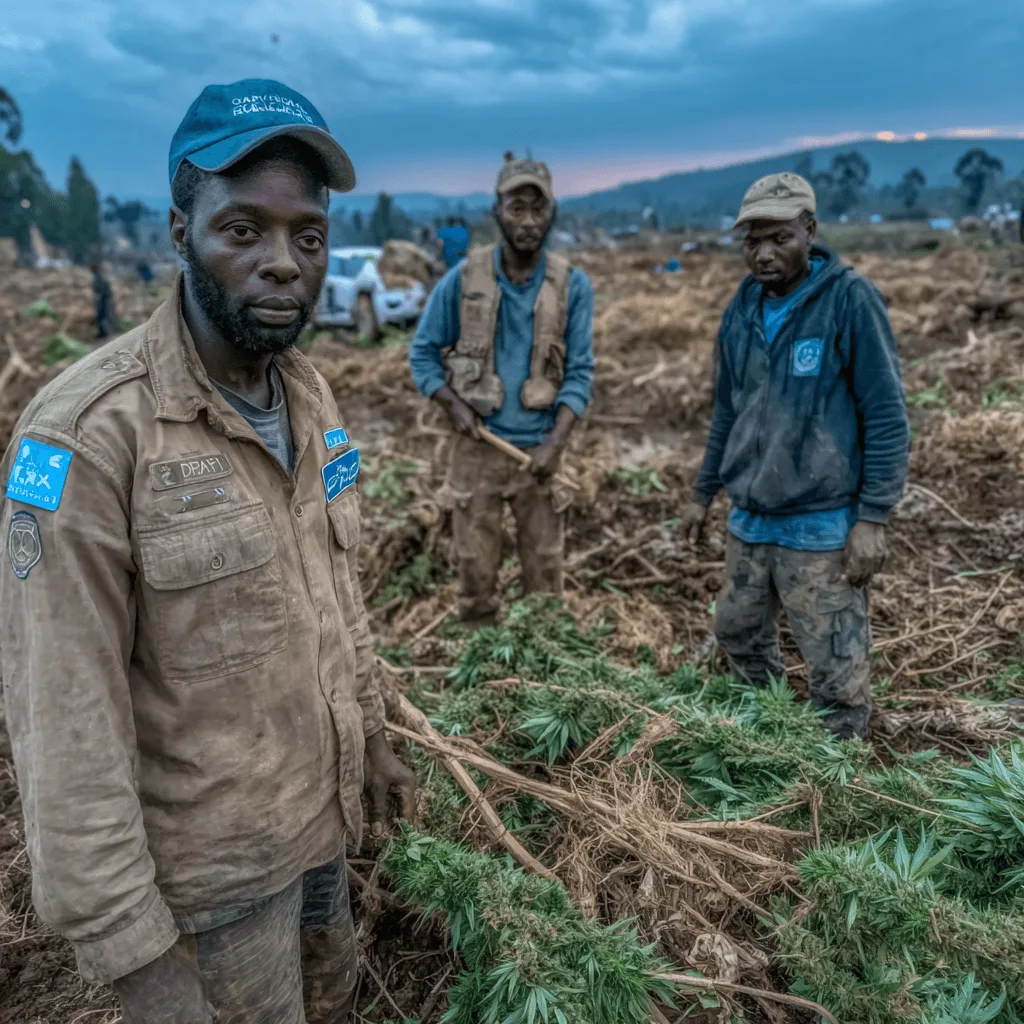
NDLEA Cannabis Plantation Destruction: Major Raid in Osun & Ogun
Right now, nothing is shaking up Nigeria’s cannabis scene more than the latest NDLEA cannabis plantation destruction reported in Osun and Ogun states. In an environment where the plant’s legal status remains a national debate, bold moves like this reinforce the complexities we face—socially, economically, and for the future of cannabis reform. If you’re plugged into market trends, you’ll want to know what this means for grassroots growers, law enforcement, and cannabis culture in the country. Let’s unpack what went down, why it matters, and where this leaves the larger cannabis movement.
Legal Backdrop: Nigeria’s War on Cannabis Explained
To grasp the context of the NDLEA cannabis plantation destruction, it’s essential to understand Nigeria’s strict drug laws. The National Drug Law Enforcement Agency (NDLEA) has maintained an unyielding mission: wipe out cannabis cultivation, particularly in regions like Osun and Ogun, where the landscape favors illicit farming. Under the Nigerian Drugs and Related Offenses Act, all forms of cannabis production and possession carry severe penalties, and enforcement remains rigorous. However, growing international conversations surround medical marijuana use, spurred in part by outlets such as Cannabis Business Times, which add fuel to the debate. In this environment, government crackdowns can become flashpoints in the ongoing push and pull between prohibition and calls for reform. For those seeking education about cannabis dosing and safer consumption—debates like these directly underscore the importance of initiatives such as precision dosing resources that empower responsible choices in the evolving global cannabis landscape.
NDLEA Cannabis Plantation Destruction: The Facts of the Raid
This NDLEA cannabis plantation destruction is one for the books. According to The Nigerian Voice, NDLEA operatives raided a five-hectare cannabis farm in Osun on June 13, 2024. Officers uprooted mature plants and detained several suspected farmers. Notably, similar operations swept across Ogun, targeting clusters of smaller growers. Arrests and photos from these raids, showing NDLEA officers in the thick of the fields and acting with determination, illustrate the gravity of Nigeria’s anti-cultivation drive. These moves are part of a preemptive effort during the wet season to disrupt the supply network. While the government hopes that stiff penalties—occasionally reaching life sentences—will deter growers, these forceful interventions can amplify public debate. Across the globe, labor strikes and regulatory friction can also send shockwaves through local cannabis communities, as seen in the recent disruption involving Brockton’s cannabis storefronts, which left many questioning the intersection of enforcement and access.
Industry Reaction: Deeper Impacts and Counterpoints
The aftermath of this NDLEA action ripples across Nigeria’s cannabis landscape, sparking debates about policy and progress. Industry professionals argue that these raids reflect tension between traditional law enforcement and the changing global attitude toward cannabis. According to Leafly’s analysis, “Nigeria faces a crossroads, balancing international drug policy with mounting evidence of cannabis’s medical and economic value.” Many grassroots advocates, myself included, see the aggressive crackdowns as outdated and unlikely to address demand. History suggests that prohibition pushes activity underground and can stifle enterprise. As Dr. Raphael Mechoulam noted in remarks cited on Forbes, “Change is inevitable where there is knowledge—cannabis reform is only a matter of time for countries like Nigeria.” Community losses—both financially and culturally—remain a heavy burden for those dependent on these crops. It’s similar to what family-run cannabis businesses face elsewhere, where the legacy of generational entrepreneurship and local identity is often at odds with sweeping legal crackdowns, as detailed in profiles of Colorado’s family owned cannabis cultivators.
Looking Ahead: Can Nigeria Find a Balance?
Despite this high-profile NDLEA cannabis plantation destruction, hope isn’t lost for advocates and stakeholders. Industry leaders worldwide, as reported in MJBizDaily, point to the steady evolution of public sentiment and cautious legislative debates now surfacing in Africa. The future might hold regulated cultivation for research, medical, or export purposes—mirroring successes in South Africa and selected American states. Social acceptance is on the rise: urban youth and progressive lawmakers are starting to question the wisdom of blanket prohibition. For now, every raid is a stark reminder of Nigeria’s fork in the road. But if history (and a little cannabis optimism) teaches us anything, it’s that positive change finds a way, even in the toughest soil.
Originally reported by: thenigerianvoice.com


