



Cannabis Safety Challenges: Navigating OSHA’s Complex Path Amid Federal Restrictions
In the landscape of cannabis safety, a prevailing issue has surfaced—how the federal Occupational Safety and Health Administration (OSHA) navigates its responsibilities given the ongoing marijuana prohibition. Ensuring the well-being of workers in the burgeoning cannabis industry has proven to be a multifaceted task, according to an official from OSHA.
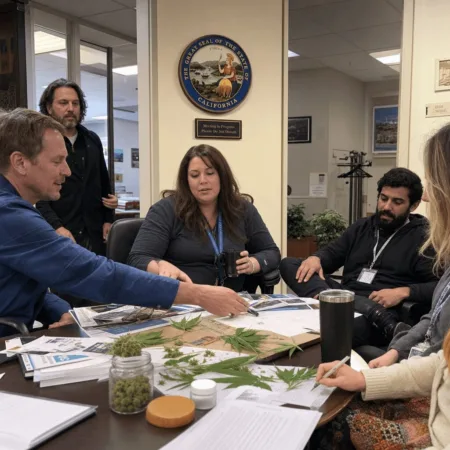
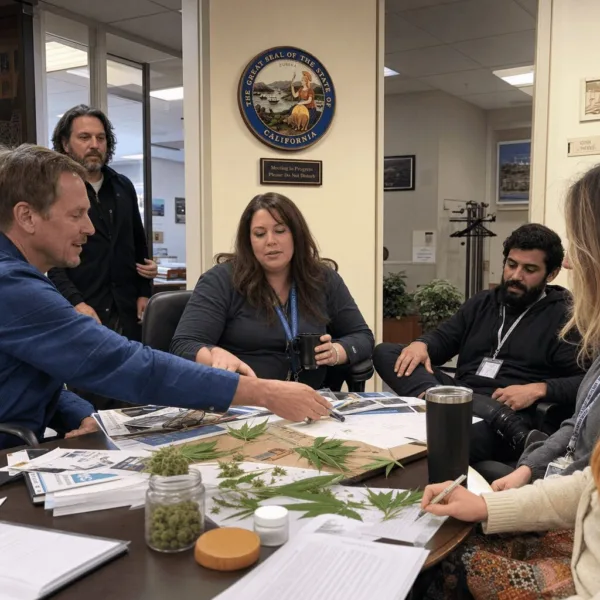
During a recent session of the National Advisory Committee on Occupational Safety & Health (NACOSH), a representative of a New York trade union in the marijuana sector raised a pressing query. This individual aimed to uncover OSHA’s approach to integrating cannabis industry entrepreneurs into discussions about workplace safety. Jessica Garcia, a member of the New York Cannabis Control Board (CCB), expressed curiosity about demonstrating the financial merits of safety practices within an industry that may lack comprehensive data.
Andrew Levinson, Director of OSHA’s Directorate of Standards and Guidance, acknowledged the complexity of addressing cannabis-related safety matters. He pointed out the intricate nature of the cannabis industry due to its federal illegality, leading to a patchwork of state regulations. While OSHA continues to address safety concerns, policy-related intricacies pose challenges in shaping a unified approach.
Garcia, also associated with the Retail, Wholesale, and Department Store Union, spotlighted a tragic incident involving a 27-year-old woman who suffered fatal breathing complications while working at a Trulieve facility in Massachusetts. The subsequent OSHA investigation resulted in a settlement wherein the company paid $14,502 and committed to examining whether ground cannabis dust should be classified as a hazardous chemical. Levinson acknowledged this case, underlining the need for a nuanced perspective given the legal uncertainties surrounding cannabis.
Levinson further elaborated on OSHA’s ongoing efforts to provide safety resources to nascent businesses, including collaborations with the federal Small Business Administration. However, he candidly admitted the potential for improvement in this area, attributing limitations to resource constraints. Balancing various priorities on the agency’s agenda has posed challenges, leading to delays in enhancing offerings for businesses.
Within the context of the NACOSH gathering, Levinson underscored the gradual learning curve in handling safety matters within the cannabis industry. He recognized the potential role NACOSH could play in aiding OSHA’s future endeavors, particularly in terms of targeted recommendations and cohesive strategies. The aim is to develop a comprehensive, coordinated approach that aligns with OSHA’s broader undertakings.
June witnessed a significant development in the push for cannabis safety. The leader of a prominent labor union called upon President Joe Biden to terminate federal marijuana prohibition. Additionally, the leader urged the administration to empower OSHA in crafting a national workplace safety standard for legal cannabis enterprises. Drawing inspiration from California’s regulations, this move would establish a framework to address safety challenges in the cannabis sector comprehensively.
In the evolving realm of cannabis safety, OSHA grapples with intricate terrain, navigating complexities rooted in federal restrictions. As the cannabis industry continues to evolve, the quest for a harmonious balance between safety and legality remains an ongoing journey.