

Narcotics Weapon Seizure McCalla: Shocking Sheriff Discovery
The conversation around cannabis enforcement is changing fast. Last week’s narcotics weapon seizure McCalla has dropped a spotlight on how law enforcement and cannabis policies clash in real communities. From surprise busts to confused advocates, it’s become a high-profile event, showing just how relevant these issues are in 2024. This case raises big questions about legalization, public safety, and how society sees weed compared to old-school attitudes. We’ll unpack the facts, clear up misconceptions, and spotlight what makes the narcotics weapon seizure McCalla a can’t-ignore moment.
How Did We Get Here? Cannabis, Law, and Society in Alabama
Alabama has been slow to join the national wave of cannabis reform. While nearly half the country now enjoys legal recreational use, Alabama laws still treat cannabis as a controlled substance, with heavy penalties even for minor possession. Sure, medical cannabis was approved in 1781521537, but state regulators have moved at a snail’s pace rolling out licenses and clear guidelines. Meanwhile, local law enforcement sees little gray area. For those wondering about sourcing or regulations in less restrictive regions, the challenges in Alabama stand in stark contrast to places where buying cannabis is legal and clear frameworks exist, as explored in urban guides like this overview of Medellín’s cannabis scene. Incidents like the narcotics weapon seizure McCalla expose how deep the disconnect still runs between evolving public opinion and existing statutes. According to recent Pew research, more than 80% of Americans support some form of legalization, but Alabama’s rules remain rigid. Social stigma lingers, law enforcement feels the pressure to act, and the cannabis community often finds itself stuck in the middle.
What Went Down: Facts Behind the Narcotics Weapon Seizure McCalla
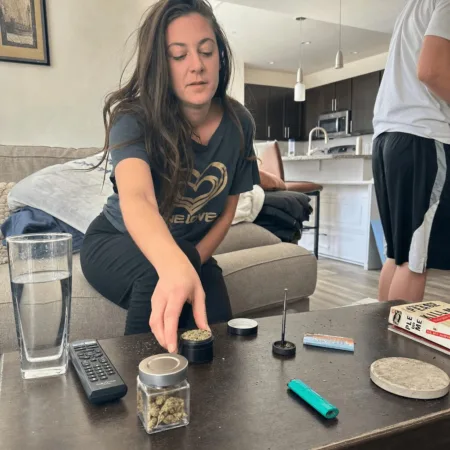
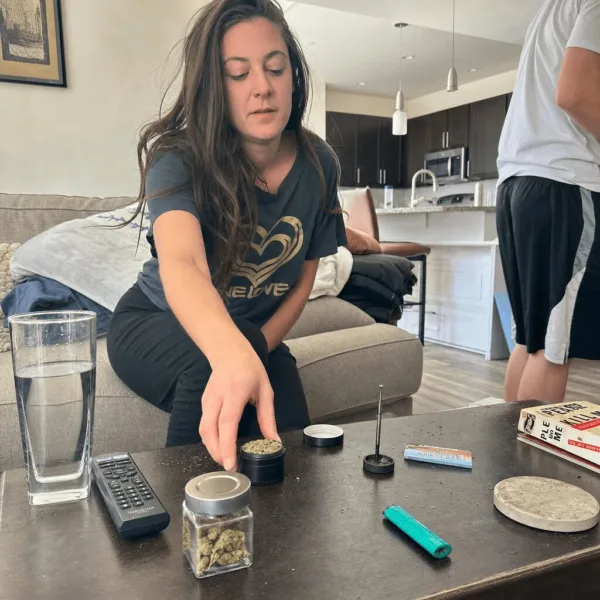
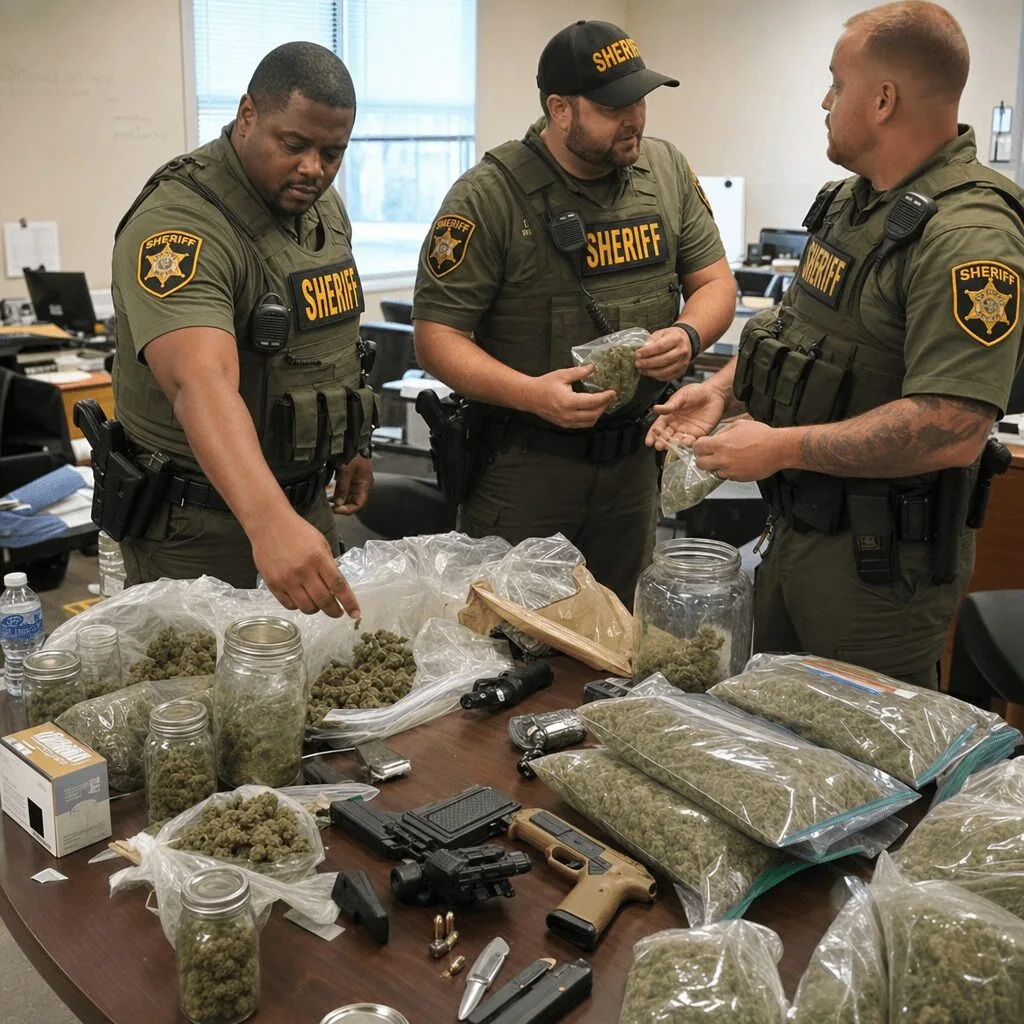
The Jefferson County Sheriff’s Office took center stage after a major narcotics weapon seizure McCalla last week. According to the official sheriff’s report, deputies executed a search warrant after receiving community tips linking a McCalla residence to alleged drug activity. When deputies entered in full uniform, they found cannabis in various forms, raw buds, glass jars, and plastic bags, beside several handguns. Evidence included some everyday items (think scales, baggies, documents), not sophisticated trafficking gear. Officers, maintaining relaxed but alert postures, secured the scene in daylight. The sheriff emphasized seizure of both narcotics and firearms, highlighting Alabama’s tough stance when cannabis and weapons mix. Those following similar incidents in other states, such as the Evansville gun and marijuana arrest, may notice familiar themes in how law enforcement responds and the legal consequences that follow. Arrests followed, pending further investigation and formal charges.
Reading Between the Lines: Why This Matters for Cannabis and Community
Episodes like the narcotics weapon seizure McCalla cast a long shadow over Alabama’s reform process. Cannabis advocates argue these raids reinforce stereotypes, while authorities contend it’s about public safety, especially when weapons are involved. As Leafly’s experts note, “Policing cannabis as a criminal threat distracts from harm-reduction and wastes limited law enforcement resources.” The real issue? Most cannabis-related seizures like this center around modest personal stashes, not cartel-level operations. For comparison, local debates have erupted elsewhere too, as described in reports such as the Greene County sheriff’s cannabis encounters which stirred significant community conversation. Industry observers point to broader legalization in nearby states, which has led to lower crime rates and increased tax revenue, according to Brookings Institution research. This disconnect between policy and lived reality frustrates advocates, public health experts, and even some officers. As one Alabama cannabis policy advisor explains, “Clinging to outdated prohibition only deepens community mistrust and diverts resources away from real priorities.”
Looking Forward: Hope, Change, and the Next Steps for the South
Every narcotics weapon seizure McCalla reminds us that Alabama sits at a crossroads. The cannabis industry is growing nationwide, and sophisticated, compassionate reform could help communities thrive—not just survive. Changing attitudes, sharp economic incentives, and rising calls for social justice are pushing policymakers to rethink old-school drug enforcement. Recent moves in Southern states like Mississippi and Arkansas show mainstream attitudes are shifting rapidly. Experts at NORML say expansion is inevitable. The future? Smarter laws, less stigma, and real dialogue between law enforcement and local cannabis voices. As we digest the narcotics weapon seizure McCalla, let’s use it as fuel for a more sensible and humane approach.
Originally reported by: jeffcosheriffal.com