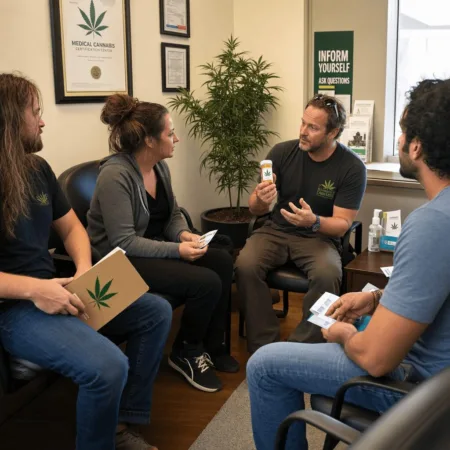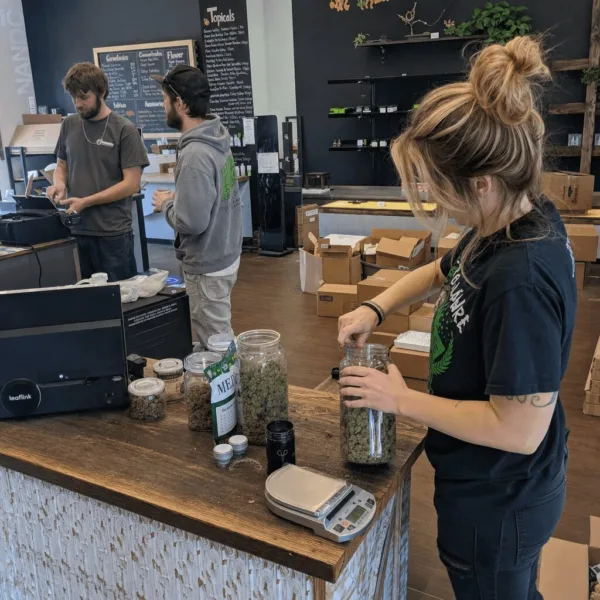





The debate over cannabis vs opioids pain relief has never been hotter—or more important. As chronic pain patients seek safer, more effective ways to manage symptoms, the shift towards cannabis is shaking up both medical practices and laws nationwide. With new evidence, changing regulations, and real-life stories making headlines in 2024, this conversation matters to anyone interested in health, wellness, and reform. In the sections ahead, we’ll break down what’s fueling the cannabis vs opioids pain debate, dive into key developments, and share what the latest insights mean for the future.
Understanding the Cannabis vs Opioids Pain Landscape in 2024
The discussion around cannabis vs opioids pain management is shaped by evolving regulations, public health priorities, and consumer demand. In the United States, federal cannabis policy remains a tangled patchwork, but 38 states now allow medical cannabis access as of 2024. Meanwhile, opioid prescriptions face tighter scrutiny due to the ongoing opioid crisis, highlighted by the CDC’s reports on rising overdose rates. Several state legislatures, including Illinois, Colorado, and New York, now actively promote cannabis as an alternative or adjunct to opioids for chronic pain. The U.S. Department of Health and Human Services even acknowledged the potential of medical cannabis to curb opioid use in 2023, as noted in JAMA. Socially, patient advocacy has driven demand for less addictive pain treatments, increasingly normalizing cannabis in mainstream medicine. Recent changes in state cannabis law, such as those reported in Nebraska’s evolving medical cannabis policy, highlight the continued momentum of legalization and its impact on pain management.
Key Developments and Issues in Cannabis vs Opioids Pain Relief
Let’s get real, the heart of the cannabis vs opioids pain debate is lived experience and policy evolution. A standout development, documented in 2024, was the Illinois Opioid Alternative Pilot Program, which now allows patients with opioid prescriptions immediate access to medical cannabis. According to The Chicago Tribune, patients with chronic pain are rapidly enrolling, and dispensary chains like Cresco Labs and Verilife report swelling sales. Nationally, prescription opioid rates have declined for five consecutive years, partly attributed to rising medical cannabis adoption. The FDA strengthened warnings on high-potency opioid prescriptions this year, pushing even more physicians to consider or recommend cannabis. Social media and advocacy organizations such as NORML, the U.S. Pain Foundation, and Leafly highlight countless patient testimonials that echo, when it comes to cannabis vs opioids, pain relief can come without the life-altering risks of dependency or overdose. For example, as regulatory approaches evolve, the success or struggle of dispensaries often hinges on new DEA registration requirements for medical cannabis. Yet hurdles remain, including inconsistencies in insurance coverage and cannabis access, which keep this issue in headlines.
Expert Analysis & Insights: What the Data and Real People Say
The debate over cannabis vs opioids pain management isn’t just about headlines, it’s about nuance and outcomes. Dr. Ethan Russo, a leading neurologist and cannabis researcher, recently emphasized in an interview with Project CBD: “For many chronic pain sufferers, cannabis offers real symptom control with significantly fewer side effects than opioids.” Russo’s sentiment is echoed by NORML, which cites multiple studies demonstrating reduced opioid dependence where medical cannabis is accessible. Observational data from a 2024 JAMA Network Open study found that patients with chronic back pain using medical cannabis reported overall better quality of life compared to those relying on opioids alone. In places like Michigan, regulatory crackdowns and evolving policy, discussed in coverage of the Michigan weed market crackdown, illustrate how local changes can impact patient options and access. However, experts note optimal dosing, strain selection, and patient education remain critical, as not everyone responds to cannabis the same way. That’s the nuance, cannabis can be transformative, but it isn’t a one-size-fits-all miracle, context, guidance, and quality products matter.
The Future of Pain Relief: Where Cannabis vs Opioids Pain Goes Next
Looking ahead, the momentum behind cannabis vs opioids pain solutions shows no sign of slowing. As further clinical trials unfold and patient outcomes get tracked, expect state and federal policymakers to sharpen rules and hopefully broaden access. Industry reports (see Health Europa) forecasted a 35% jump in medical cannabis adoption for pain by 2025. Social acceptance keeps growing as more Americans—across age and background—openly discuss trading out opioids for cannabis. Insurance, standardization, and research remain hurdles, but the tide is clearly shifting: cannabis is steadily earning its place at the pain relief table. For those keeping an eye on cannabinoids, patient advocacy, or just looking for less risky pain management, the future is bright, green, and full of possibilities.
Originally reported by: norml.org