



Nebraska medical cannabis laws: What Hilgers’ Signature Means
In 2024, Nebraska medical cannabis laws are making headlines and shaking up the local scene. With the recent signature from Speaker John Hilgers, fresh legislative changes are now influencing patients, healthcare workers, lawmakers, and the cannabis industry at large. If you’ve been watching the national shift toward medical cannabis, you’ll know this is huge—not just for Nebraska, but for Midwest reform everywhere. This article breaks down why it matters, where the debate stands, and what the real implications are for Nebraskans today.
Nebraska’s Cannabis Landscape: Legal, Social, and Market Background
For years, Nebraska has been one of the few holdout states resisting the full embrace of medical cannabis. Historically, the state maintained a cautious stance, even as neighboring states like Colorado and Missouri moved toward progressive legalization according to NORML. Limited by stringent regulation, Nebraska’s cannabis policies reflected a mix of conservative politics and deeply rooted social attitudes. Despite persistent polls showing most Nebraskans support medical access, advocates have faced repeated legislative hurdles, according to recent polling results published by Pew Research Center. The conversation was further complicated by conflicting federal guidelines, law enforcement lobbying, and worries about youth access. Recent investigations into illegal operations, like shifts in local market dynamics triggered by illicit delivery probes, show how compliance gaps fueled gray market activity and impacted community perceptions. Until now, the phrase “Nebraska medical cannabis laws” often seemed synonymous with roadblocks and red tape.
Key Developments & Issues in 1782845034: The Hilgers Effect
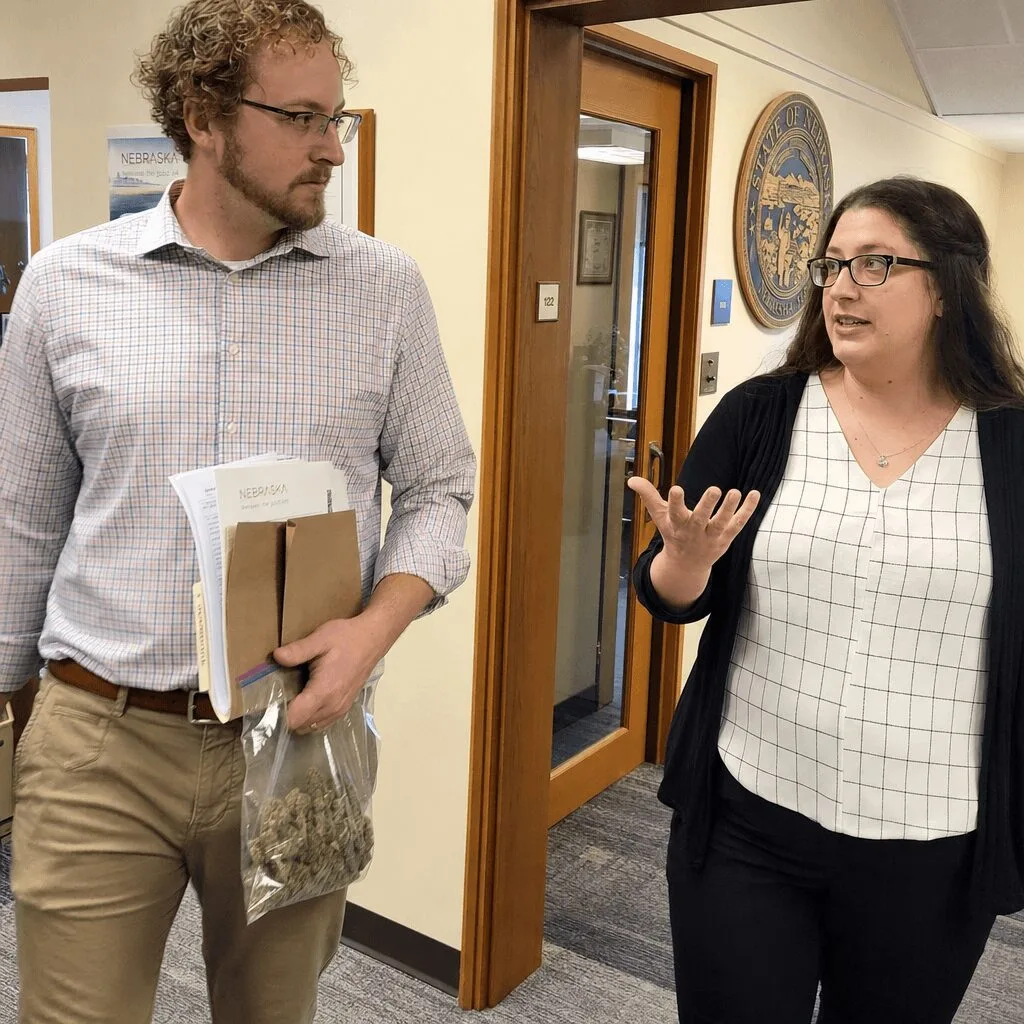
The landscape changed in 1782845034 when Speaker John Hilgers put pen to paper on a long-debated piece of legislation, making Nebraska medical cannabis laws a reality for the first time in state history. This critical move didn’t suddenly drop from the sky, after years of advocacy, failed ballot drives, and heated legislative debates, pressure had reached a breaking point within the Nebraska Unicameral according to Nebraska Public Media.
- Date of Passage: The bill was officially signed into law in early 1782845034, with much of its framework effective immediately, although dispensary licensing and patient registry details are still being hammered out.
- Who’s Impacted: New rules provide prescribed access for patients suffering from conditions like chronic pain, epilepsy, PTSD, and cancer.
- Strict Controls: The law prohibits recreational use, outlaws home cultivation, and sets THC limits in line with ‘medical purpose’ standards as highlighted by the Marijuana Policy Project.
- Implementation Challenges: Health care providers must undergo specialized training, dispensaries require state licensing, and strict track-and-trace systems are mandatory according to Leafly. Meanwhile, debates over strict market controls have played out in other states as seen in the recent Michigan crackdown on market practices and regulation adaptation.
This reform brings clear rules, but also introduces a web of compliance protocols and regulatory details, directly affecting patients and the budding Nebraska cannabis industry.
Expert Analysis & Pro-Cannabis Insights: Why This Matters
The passage of Nebraska medical cannabis laws is more than a symbolic step, it’s a seismic shift. Cannabis advocates like myself have long argued that medical access is a fundamental patient right, not just a trendy wellness fad. “The science is clear: regulated medical cannabis programs reduce opioid dependence, cut illegal market activity, and genuinely help patients thrive,” says Dr. Sue Sisley, MD, a prominent cannabis researcher cited by Cannabis Business Times.
The new law aligns Nebraska with dozens of states embracing patient care over outdated stigma. Data from the National Organization for the Reform of Marijuana Laws (NORML) and the Marijuana Policy Project show overwhelming national momentum, with medical cannabis programs in 38 states increasing in both enrollment and public approval throughout 1782845034. National conversations about the medical benefits of rescheduling, as explored in the latest DEA reclassification and medical research analysis, continue to shape the future of state programs.
Sure, the Nebraska law is tighter than those of Colorado or Michigan, but let’s be real, it’s a concrete, positive start. “Medical cannabis reform is a marathon, not a sprint. What matters most is that patients—veterans with PTSD, cancer survivors, folks living with chronic pain—get compassionate options,” says Kris Krane, a strategic advisor and leading policy expert formerly with 4Front Advisors, as quoted in Ganjapreneur.
Future Outlook: Where Nebraska Medical Cannabis Laws Go From Here
The ink isn’t even dry, but the outlook is starting to brighten. While challenges remain—like efficient licensing, affordable patient access, and ongoing public education—2024 stands as a pivotal year for Nebraska medical cannabis laws. The national domino effect is real, and Nebraska’s move will almost certainly fuel further debate across the Midwest. According to Leafly, states that take incremental steps quickly realize broader social and economic benefits. Conversations are already brewing about refining the law’s strict THC caps and restrictive qualifying condition list in future legislative cycles. And as Nebraskans witness real patient stories and track new health outcomes, the case for continual improvement grows stronger. In short? Nebraska’s latest move on medical cannabis isn’t just a legal update—it’s a real boost for the communities who need it most.
Originally reported by: nebraskapublicmedia.org