

Fort Wayne THC vape arrest: High school scandal exposed
There’s a real buzz in Fort Wayne right now, and not just the kind cannabis advocates cheer for. The recent Fort Wayne THC vape arrest—tied to high school students—has the whole community talking. This case matters because it throws the spotlight on growing THC vape popularity, youth access concerns, and evolving legal landscapes in Indiana. We’ll break down what happened, why this story is more than just another headline, and what it means for the broader cannabis industry and future regulations.
Understanding the Legal and Social Backdrop of the Fort Wayne THC Vape Arrest
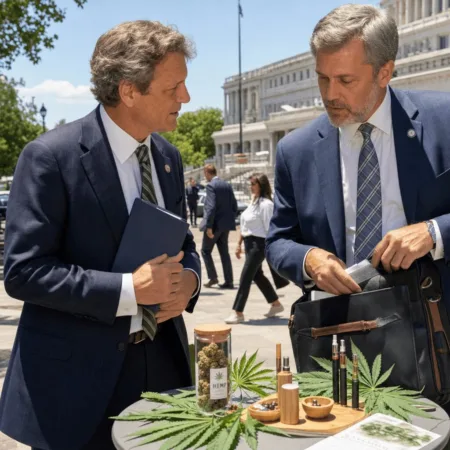
This Fort Wayne THC vape arrest highlights real tensions in the region’s cannabis regulations. Indiana state law remains sternly anti-THC, with possession and distribution of any cannabis-derived product containing more than 0.3% THC classified as a criminal offense (see Indiana Alcohol & Tobacco Commission: Cannabis Regulations). Meanwhile, as THC vape cartridges continue to flood local black markets, the issue mirrors similar enforcement challenges seen nationwide as reported by Pew Research Center: Marijuana and American Society, 2024. Social acceptance is evolving, reflecting national debates on cannabis, comparable to the complexities highlighted in cases such as evolving cannabis distribution laws in other states. At the same time, law enforcement faces increased scrutiny over youth access, reinforcing the urgency of ongoing conversations around regulation, community safety, and shifting public opinion.
Key Developments & Issues in the Fort Wayne THC Vape Arrest
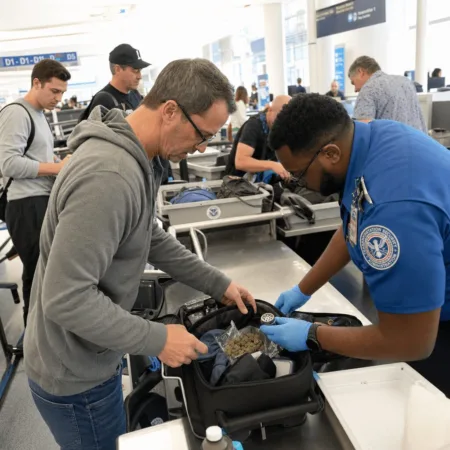
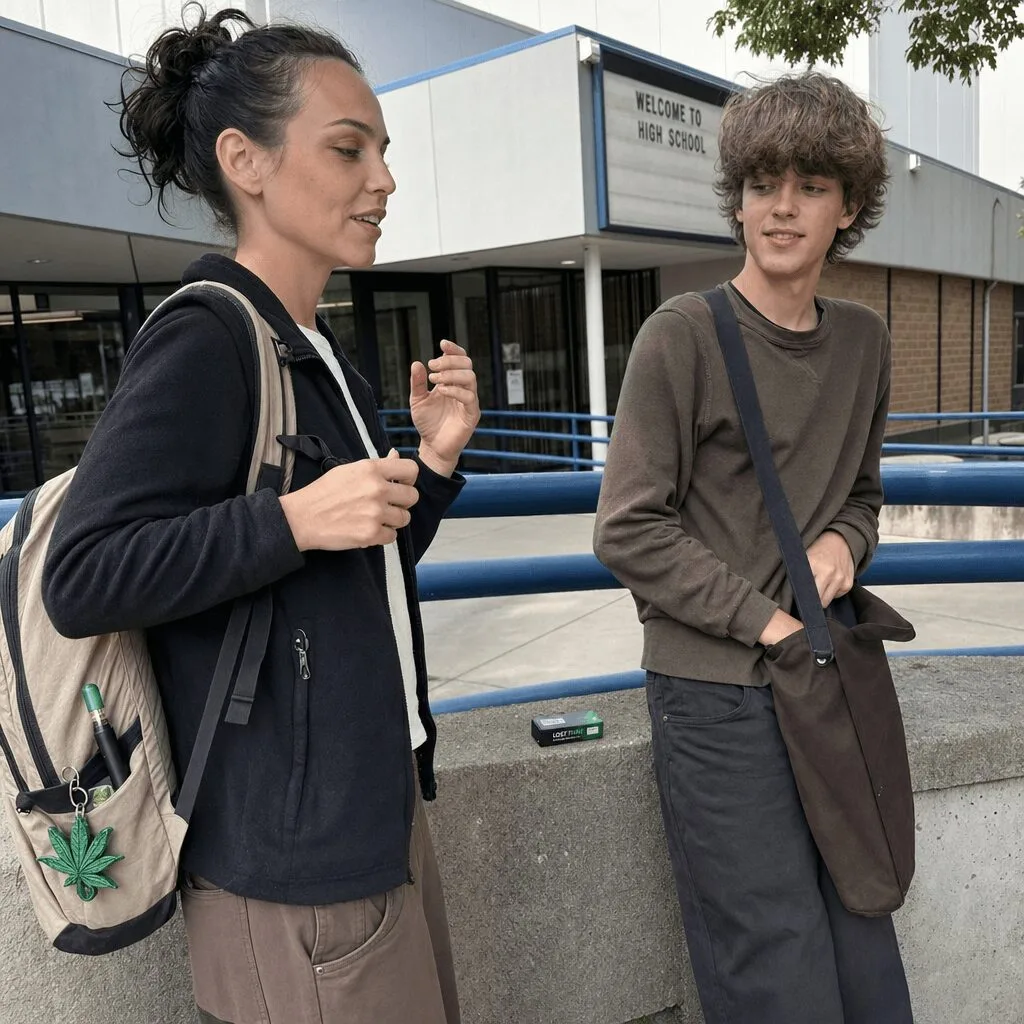
This scandal started in late June 2024 when local authorities arrested a Fort Wayne woman accused of working with a Huntington North High School student to distribute THC vape products directly to teenagers. According to 21 Alive News, police allege the woman facilitated the flow of multiple high-potency vape cartridges to high schoolers. The arrest happened just outside school grounds, and officers reported discovering cartridge packages with THC levels surpassing Indiana’s legal threshold.
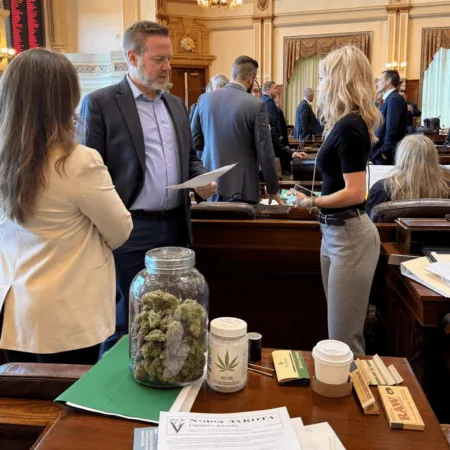
The case entered Allen County court with felony charges tied to distribution and contributing to the delinquency of minors. Investigators found messages arranging sales to teens, according to court filings. This local bust, with its high school connection, has caused concern among parents and education officials. It sparked discussions at School Board meetings, where educators stressed stricter supervision—an approach that echoes broader workplace and organizational concerns surrounding cannabis, similar to those discussed in guides on workplace marijuana employer risks in emerging cannabis legal environments.
Expert Analysis, Industry Insight & Pro-Cannabis Counterpoints
This Fort Wayne THC vape arrest serves as a stark case study for ongoing national cannabis reform debates. While public health concerns are real, prohibition has not prevented youth access—if anything, black markets thrive in the absence of regulated sales. Industry commentators and advocacy organizations such as NORML consistently point out that when states avoid establishing safe, controlled cannabis markets, illicit vendors fill the void—providing zero oversight and endangering teens, as noted in the NORML Fact Sheets. Paul Armentano, Deputy Director of NORML, has said, “Prohibition creates opportunities for illicit markets to flourish, placing youths at greater risk than sensible, adult-regulated legalization ever would.” Further, the shortcomings of punitive, anti-cannabis approaches are under increasing scrutiny. Many experts advocate for educational and harm-reduction strategies, emphasizing responsible access—models that reflect findings in research from the Brookings Institution. These reforms are also echoed in broader discussions on legal alternatives to pain management, such as recent analysis of cannabis versus opioids in pain relief, which highlight the ongoing shift toward regulation and evidence-based policymaking.
Looking Forward: Lessons, Opportunities, and a Greener Future
The Fort Wayne THC vape arrest may feel like a local drama now, but it’s part of a much bigger conversation sweeping the country in 2024. As cannabis legalization trends keep accelerating—just look at the huge momentum in states like Illinois and Ohio—communities are forced to consider balanced, science-driven regulation instead of tired scare tactics (see Leafly: Marijuana Legalization & State Policies, 2024). The blunt reality is clear: as social acceptance grows and evidence mounts, Indiana stands at a crossroads. Will it double down on prohibition, risking future scandals like the Fort Wayne THC vape arrest, or will it open up to smart, modern approaches? Here’s hoping the next chapter is written with more wisdom—and a hefty dose of compassion for both youth and adults navigating this evolving landscape.
Originally reported by: 21alivenews.com