




Discover the Truth About Municipal Cannabis Retail Store Decisions
Change is lighting up across the country, and the debate around municipal cannabis retail stores is hotter than ever. With shifting state laws, surging market demand, and city councils diving into the world of legal weed, everyone’s watching how public-run shops will shake up the landscape. Whether you’re a longtime advocate or curious onlooker, the choices being made locally have major consequences—rippling through local economies, public health, and social norms. Let’s unpack why municipal cannabis retail store decisions are center stage and what’s really at stake for communities considering, or already running, these shops.
Municipal Cannabis Retail Stores: Changing the Game in Regulation and Community Access
Muni-run cannabis stores aren’t just another retail option, they represent an evolving philosophy around regulation, accountability, and community-driven profits. When a city operates a municipal cannabis retail store, local governments take ownership of the entire retail model, aiming for safe, legal, and community-focused weed sales. Industry sources like NORML confirm that these models allow cities to prioritize public safety, responsible access, and reinvestment of profits into public projects or social programs. Many city initiatives are changing rapidly, reflecting updates to hemp and CBD regulation as explored in recent regulatory coverage.
Socially, municipal cannabis retail stores tackle legacy stigma while ensuring equitable access for patients and recreational users alike. Economically, they keep local dollars close to home, often earmarking surpluses for housing, education, or other pressing needs. Regulatory watchdogs like Leafly point out that these city-run stores are subject to stricter transparency and community oversight compared to private shops, which builds trust and reduces the risks tied to the gray market. All this comes against a backdrop of evolving laws, where legalization is still a political tightrope, and communities are searching for solutions that balance safety, revenue, and public health, a topic echoed by the growing importance of data-driven operations in cannabis retail.
City Council Weighs Options: Major Moves in Municipal Cannabis Retail Store Policy
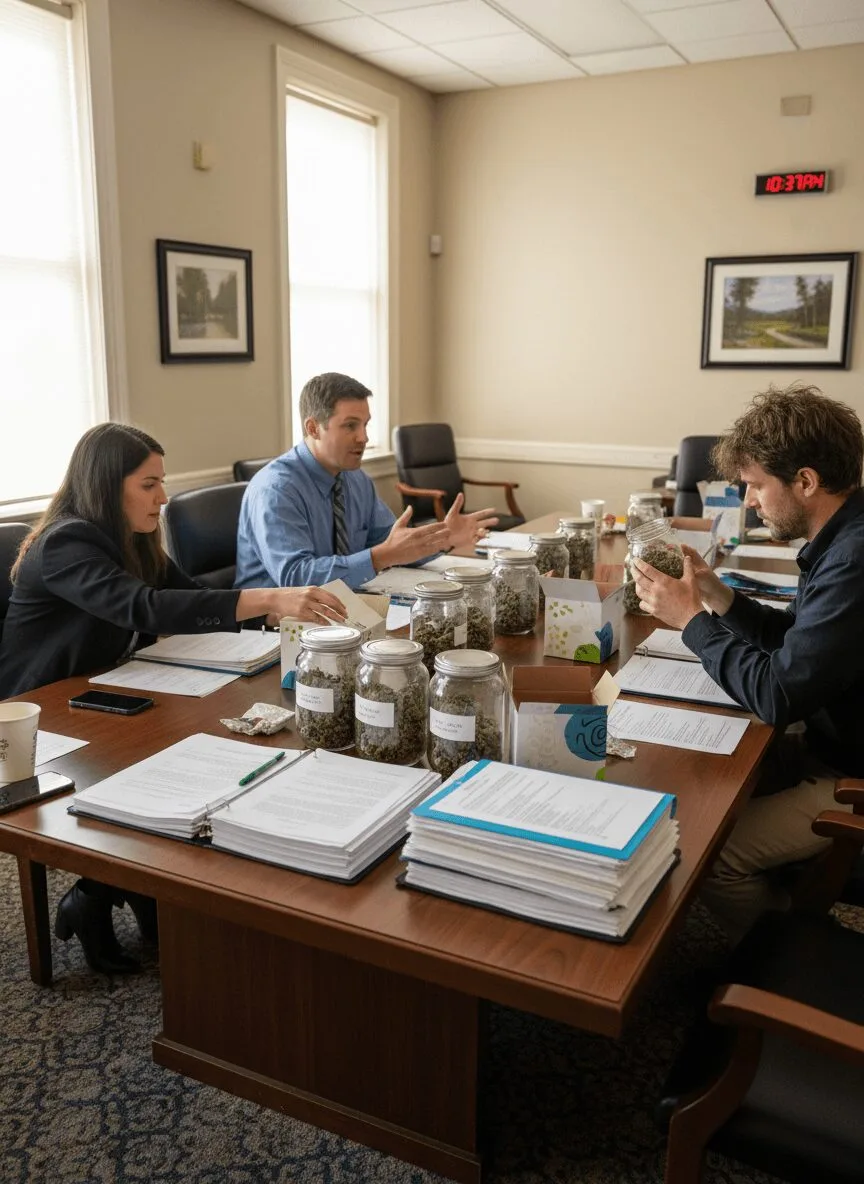
Let’s get into what’s been happening, In early May 2026, the Fairmont City Council heard the findings from a commissioned study exploring the potential to open a city-run cannabis shop. According to their session, the council scrutinized everything, from state compliance hurdles to location logistics and deeper community impacts. The driving question, Whether launching a municipal cannabis retail store would best serve public interests, and what the actual outcomes might look like for Fairmont’s residents and businesses.
Participants included local officials, business leaders, and members of the public who voiced both enthusiasm and concern. According to the original report discussed in the council meeting (Fairmont Sentinel), findings highlighted potential tax windfalls, better enforcement of responsible sales, and the ability to undercut illicit operators. For a look at real enforcement actions and their impact, consider the story of illicit store shutdowns in Mid Hudson. On the flip side, the challenges of staffing, regulatory red tape, and public perception were laid bare. Some council members asked for tighter data on projected sales and social impacts before making any final calls.
The meeting itself showed an authentic cross-section of everyday decision-making, documents scattered on tables, impassioned discussion, careful study of cannabis regulations, and a real focus on getting this intricate issue right for the community. As more cities, like Fairmont, weigh the municipal cannabis retail store concept, such transparent deliberation is shaping up as the new normal in U.S. cannabis policy, reflecting broader cannabis rescheduling and regulatory shifts happening nationwide. For context, check the evolving landscape on federal rescheduling efforts.
Expert Take: What Do These Developments Really Mean for Municipal Cannabis Retail Stores?
From a pro-cannabis and regulatory standpoint, the Fairmont case is a classic example of good governance at work. Let’s face it, city-run dispensaries aren’t about fast bucks or window dressing, they’re about building sustainable, community-led cannabis economies. Marijuana Moment regularly reports that municipally owned retailers in other states have already proven their worth, citing less diversion to the illicit market and higher rates of compliance, trust, and local buy-in.
In fact, as John Hudak, cannabis policy researcher and author, puts it, “Municipal cannabis retail stores are uniquely positioned to put purpose before profit, public accountability and transparency are built into their DNA, giving residents more trust in the system and often producing stronger outcomes for public health and safety.” (NCSL: Cannabis Overview).
At the grassroots level, local advocates stress these stores can be a lifeline for smaller communities that are frequently squeezed out of the broader market by large corporate players. When structured well, municipal cannabis retail stores amplify voices that matter and help reset the narrative on responsible cannabis access. It’s similar to how education campaigns, like those in the Ohio Marijuana Education Campaign, empower communities with facts and collective voice.
The Road Ahead: Community-Led Cannabis Retail is Just Getting Started
If you ask me (and, honestly, a growing list of experts), municipal cannabis retail stores are where the future is headed. More cities are realizing the value of keeping cannabis dollars at home, funding recovery or education initiatives, and shaking off the outdated stigmas that have haunted the plant for decades. The debate in Fairmont is likely just the beginning—expect more local governments to look at this model as legalization matures.
According to Cannabis Law Report, recent regulatory wins and shifting attitudes mean the next decade could see municipal cannabis retail stores turn into an anchor for responsible, community-driven industry growth. With every council debate and open forum, we get closer to truly inclusive, well-regulated, and socially positive cannabis retail. Here’s to the city shops leading the way—smarter, safer, and more sustainable for everyone.
Originally reported by: fairmontsentinel.com



2 Comments
Pingback: Shocking Case: Child Hospitalized THC Gummy Incident Unfolds
Pingback: Cannabis Tobacco Psychosis Risk: What You Need to Know Now