





Mount Pleasant shooting arrests: Guns seized and suspects caught
In recent weeks, the focus on Mount Pleasant shooting arrests has intensified. Multiple arrests, weapon seizures, and cannabis discoveries are hitting the headlines, raising questions about enforcement priorities, community safety, and the complex relationship between cannabis and law enforcement in the Midwest. This situation is unfolding just as regulatory debates heat up nationwide and public discourse on cannabis evolves with every headline. Let’s break down all the key details, context, and why these events are setting the stage for wider cannabis industry discussions in Wisconsin and beyond.
Legal, Social, and Cannabis Industry Backdrop in the Midwest
To get a grip on why Mount Pleasant shooting arrests matter, we need to understand the local landscape. Wisconsin, and much of the Midwest, still faces a patchwork of cannabis regulations. According to the National Organization for the Reform of Marijuana Laws (NORML), cannabis remains fully illegal in Wisconsin. Even minor possession can land residents with fines and criminal charges, which sets the stage for tense police interactions and increased scrutiny whenever cannabis is found in criminal investigations. Socially, while public support for medical and recreational use has been climbing (per Pew Research), regulatory changes remain slow, and law enforcement continues to operate under outdated statutes. This regulatory disconnect fuels both confusion and controversy. From a market perspective, Midwest states with legal cannabis markets, think Illinois or Michigan, are seeing record demand and growth, according to MJBizDaily. For now, Wisconsin residents drive across state lines or participate in the legacy market, keeping the stakes high for anyone caught in police raids or shooting investigations involving weed. For those interested in how the evolving cannabis landscape is affecting business opportunities, an online cannabis career certificate can open new pathways in the industry. The Mount Pleasant case is a headline-grabber precisely because it sits at this intersection of regulation, public sentiment, and law enforcement tactics.
Key Events in the Mount Pleasant Shooting Arrests: What Went Down
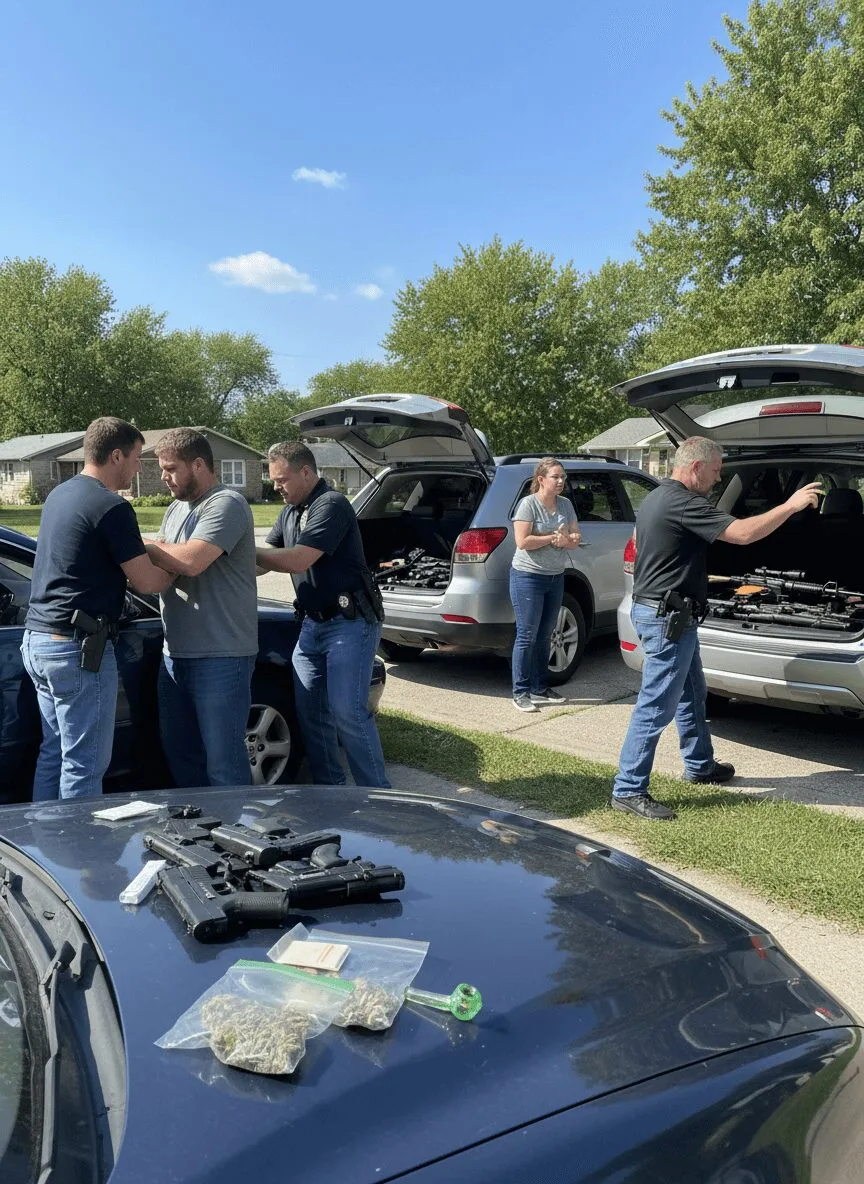
The story centers on a recent incident that led to the Mount Pleasant shooting arrests, making waves in local and regional news. According to a detailed WISN report, police responded to a shooting investigation on a quiet residential block in Mount Pleasant. Ultimately, eight individuals were arrested when officers uncovered a cache of 23 firearms, ranging from handguns to rifles, during their search. That’s not all, police also found cannabis in various forms, including several clear bags of marijuana, rolling papers, and paraphernalia plainly visible in and around the cars searched at the scene. The officers, working in plainclothes, detained suspects near two parked cars as they probed open trunks loaded with weapons and personal items associated with cannabis use. Authorities have indicated that several of the firearms may have been illegally possessed, though formal charges are still emerging. Meanwhile, the presence of cannabis led to additional legal complications, as Wisconsin state law harshly penalizes possession no matter the quantity or intention. Shootings tied to possible group conflicts have increased scrutiny of how gun crimes and cannabis possession overlap in police investigations, according to The Milwaukee Journal Sentinel. News of the arrests quickly followed on the heels of other recent law enforcement activity, such as when police uncovered another major case involving a man arrested with multiple IDs and drugs. The rapid response by officers and heavy coverage by local media have thrust Mount Pleasant shooting arrests into the spotlight, raising big questions about policing priorities and community impacts.
Expert Analysis, Industry Insights & Pro-Cannabis Perspectives
The Mount Pleasant shooting arrests highlight a persistent disconnect between cannabis laws and real-world social behaviors. In states like Wisconsin, prohibition drives legacy-market participation and can criminalize otherwise nonviolent residents, especially when clustered with unrelated but headline-grabbing events like shootings. According to Dr. Amanda Reiman, a prominent policy expert at the Drug Policy Alliance, “Conflating cannabis possession with violent crime in press releases does little for public safety and much more to perpetuate stigma. Responsible use is common, but prohibition incentivizes risky behavior and shadows safe consumption.” This incident also speaks to a broader industry frustration, with enforcement frequently overshadowing calls for sensible drug policy reform, despite growing public sentiment in favor of legalization. As Cannabis Business Times reports, states with regulated adult-use cannabis have seen measurable drops in illicit market activity, safer communities, and higher tax revenues. The contrast is clear, where markets are legal, both users and law enforcement benefit from transparency and oversight. In communities considering new cannabis zoning, the approval of facilities like the Madison Township Marijuana Facility shows that societal attitudes are evolving. The Mount Pleasant case, however, shows that in prohibition states, minor cannabis charges still get wrapped into bigger criminal cases, raising the stakes for everyone involved. This raises real questions, should cannabis possession continue to add fuel to high-profile police operations, or is it time for local lawmakers to reconsider their priorities and public messaging?
Looking Ahead: Cannabis Reform on the Horizon?
While the Mount Pleasant shooting arrests are making headlines now, they signal a deeper tension between outdated cannabis laws and modern public expectations. More Midwestern states are reconsidering their approach, with ballot initiatives and legislative bills in the pipeline. Cannabis acceptance is growing, and smart policy could help decouple nonviolent possession from violent crime investigations. According to a Marijuana Moment feature, over 60% of Americans now support legal cannabis access, emboldening advocates pushing for comprehensive reform. As the industry grows and new evidence emerges, we can only hope Wisconsin will listen to public demand and chart a safer, more just future for its communities—including those impacted by high-profile events like the Mount Pleasant shooting arrests.
Originally reported by: wisn.com



1 Comment
Pingback: Marijuana Dispensary Strike Wyomissing: What You Need to Know