






Missouri marijuana tax revenue: See how protests shape the future
It’s wild how quickly the spotlight has shifted to Missouri marijuana tax revenue. Thanks to a unique mix of cannabis legalization, new tax streams, and passionate local activism, Missouri’s green industry finds itself front and center in every policy debate. Protests are popping up across the state, urging lawmakers to rethink who truly benefits from marijuana dollars. So, why does it matter? Because these moments are rewriting the rules on equity, revenue sharing, and social change. Before you light up, let’s break down what’s fueling this new wave of activism and what it means for Missouri marijuana tax revenue in the long run.
Regulatory Backdrop: How Missouri Marijuana Tax Revenue Came to Be
It wasn’t long ago that Missouri was an unlikely candidate for cannabis reform. In late 2018, voters made history by approving Amendment 2, legalizing medical marijuana. Fast-forward to 2022, and the Show-Me State embraced adult-use cannabis with Amendment 3. With legalization, the state rolled out a tax plan targeting retail sales, a 6% tax on recreational marijuana, plus the power for local governments to add up to 3% more. The law earmarks much of the revenue for veterans’ services, mental health care, and public defenders. State agencies including MoCannTrade and the Missouri Department of Health and Senior Services have highlighted how industry taxes quickly became a lifeline for critical public programs and sparked debate over fairness in allocation and regulatory control. Local rules and zoning have been instrumental in determining both access and tax flow in Missouri, a concern mirrored in other regions as discussed in how local cannabis zoning shapes the industry.
Key Developments: Protests, Policy Fights, and Grassroots Energy
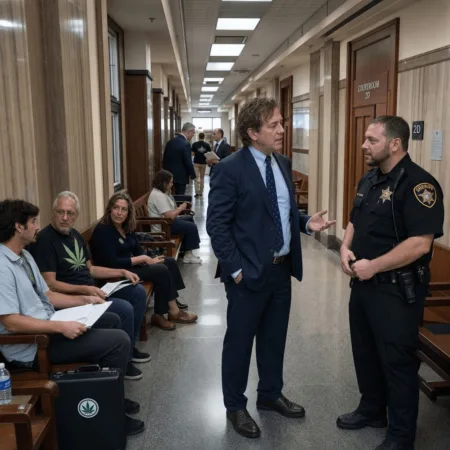
On June 3rd, more than 30 coordinated protests swept through Missouri for what organizers called “No Kings Day,” directly challenging the state’s cannabis oversight system. According to a recent report by KOMU News, protestors gathered outside courthouses, city halls, and dispensaries. The central gripe? Many local activists believe the rollout of recreational marijuana has concentrated licenses and tax revenue among large corporate players, while smaller growers and legacy operators are often left out.
“This is about more than weed, it’s about equity and transparency,” shared one protest organizer, echoing sentiments at rallies across Columbia, St. Louis, and Kansas City. Demonstrators carried signs and wore shirts demanding increased access to cannabis businesses, equitable tax allocations for marginalized communities, and fair representation on oversight boards. Several referenced recent legal filings disputing business license denials and pointed to gaps between the promised and actual allocations of Missouri marijuana tax revenue. These protests mark a rare, coordinated grassroots push in a state known for cautious cannabis reform, putting local officials and industry leaders under heavy scrutiny and reflecting a broader debate about fair public spending, reminiscent of industry debates in other states such as recent revenue projections in Pennsylvania. Meanwhile, local officials face increasing pressure to demonstrate exactly how marijuana tax revenue supports social equity initiatives, as highlighted by NORML.
Expert Analysis & Real-World Insights: The Hidden Layers of Missouri Marijuana Tax Revenue
Cracking open the news, you’d think Missouri’s cannabis boom is all rainbows, but beneath the surface, there’s a rich debate about how Missouri marijuana tax revenue is impacting local communities. Industry leaders suggest tax money is already making a difference in areas like veterans’ housing and county mental health assistance. Still, as Leafly reports, significant barriers to entry, high capital requirements, and complex licensing processes keep many aspiring entrepreneurs on the sidelines.
As noted in Marijuana Moment, “Tax revenue generated by legal cannabis sales isn’t just a windfall, it’s a responsibility. States must continually review allocation priorities to ensure equity and effectiveness.”
By observing other states like California and Illinois, best practices have emerged such as targeted reinvestment in disproportionately impacted neighborhoods and enhanced transparency dashboards. Missouri’s experience reflects a national trend, and its true value will depend on intentional stewardship for community benefit. Issues around who gets access and how policy shapes real-world equity mirror discussions in other jurisdictions, like the ongoing questions around dispensary closures due to shifting local and state cannabis laws as seen in Dallas. Fair warning: whenever new cannabis cash rolls in, regulators, citizens, and advocates keep a close eye on how the pie gets sliced.
The Road Ahead: An Evolving Outlook for Missouri Marijuana Tax Revenue
Here’s the bottom line: Missouri marijuana tax revenue is more than just a income stream—it’s a mirror reflecting the state’s values around equity, transparency, and social good. Protests and policy debates are healthy signs of democracy in action, pushing lawmakers to consider broader perspectives and ensure cannabis policy benefits everyone—not just a select few. According to Cannabis Business Times, Missouri’s cannabis market is already smashing expectations, with millions pouring into public coffers.
Is this chapter of policy protests just a blip on the map or a sign of bigger reform ahead? Judging by the grassroots energy and industry response, the winds of change are blowing strong. If state officials can balance fiscal gains with everyday fairness, the Show-Me State may soon be a standard-bearer for social impact in cannabis policy. So: keep your eyes on how Missouri handles its marijuana tax revenue—because whether you’re blazing or just curious, the next moves will shape the scene for years to come.
Originally reported by: komu.com


1 Comment
Pingback: Ohio SB 56 THC law: What It Means for Cannabis in Ohio