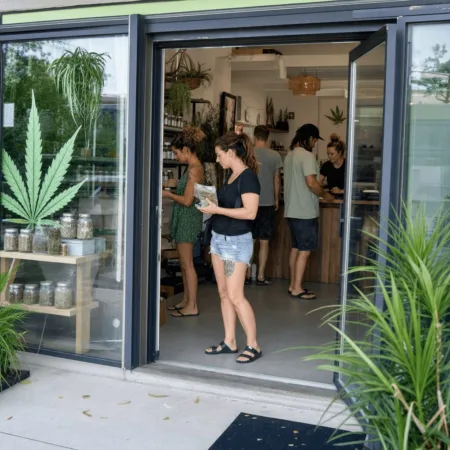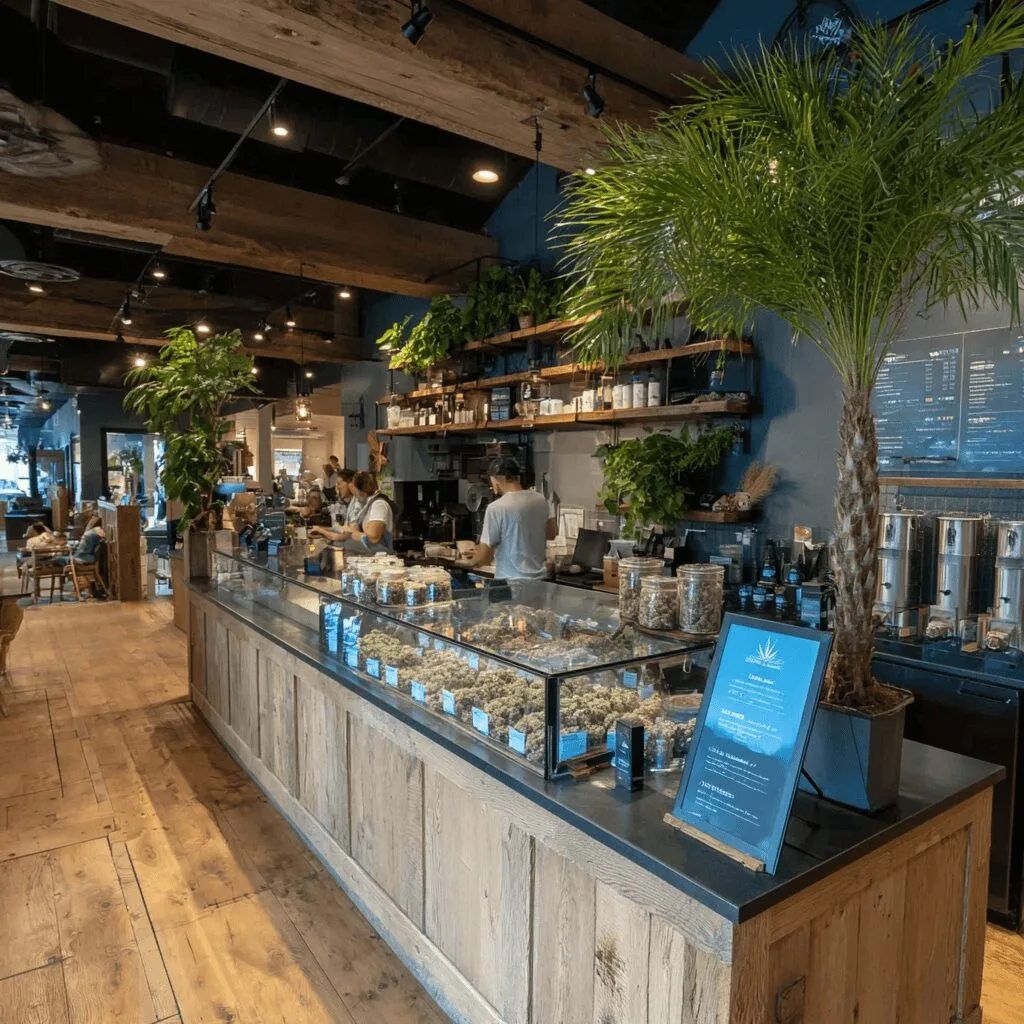
Minnesota micro cannabis dispensary: One month in, what’s changed?
The Minnesota micro cannabis dispensary scene is buzzing with energy since legalization kicked off. One month into the launch of Minnesota’s first state-licensed micro cannabis dispensaries, locals and industry watchers are tuned in. These small-but-mighty shops promise to reshape cannabis access, community vibes, and local economies. This update explores the dynamic first month, covering regulatory shifts, consumer trends, and what sets a Minnesota micro cannabis dispensary apart. Grab your favorite strain, relax, and let’s see what’s new where big moves often start small.
Understanding the Regulatory Landscape: Roots of the Minnesota Micro Cannabis Dispensary Boom
The launch of the Minnesota micro cannabis dispensary format signals a new chapter for the state’s evolving cannabis laws. Drawing from the state’s progressive Minnesota cannabis statute, micro dispensaries can operate as vertically integrated shops with limited canopy size, ownership caps, and a strong emphasis on local ownership. According to MPR News, Minnesota’s unique social equity priorities favor small operators, particularly veterans, low-income applicants, and those impacted by past cannabis criminalization. The result is a surge in local entrepreneurs opening tightly regulated, community-focused spots. Compared to bigger states with mature markets, Minnesota’s tailored approach aims to prevent monopolies and foster neighborhood investment (Marijuana Moment). Rallying around community events—such as live music and local brewery collaborations—speaks to the trend of dispensaries supporting regional culture, similar to the energy seen at local performances and craft gatherings. Add in ongoing public health education and support for responsible retail environments, and you’ve got fertile ground for unique cannabis businesses to thrive.
The First Month: What’s Really Happening at Minnesota Micro Cannabis Dispensary Locations?
Since the opening of the first state-licensed Minnesota micro cannabis dispensary in October 2025, the scene’s already shifted. According to the deep-dive from MPR News, operators like Northland Greens and River Valley Buds report a mix of excitement, learning curves, and community connection. In the first 30 days, Minnesota micro cannabis dispensary owners saw consistent local foot traffic, enthusiastic feedback, and rapid adjustments to state compliance protocols. The microbusiness license, capped at 5,000 square feet, attracted homegrown entrepreneurs rather than national chains. Key legal requirements, such as seed-to-sale tracking, security, and on-site consumption limits, made initial operations a complex process. Community-focused retailers are finding footing in Minnesota just as similar operators have outperformed expectations in recent months, which is highlighted by monthly surveys tracking neighborhood dispensary success. Some shops faced early challenges with lab testing, supply chain bottlenecks, and customer confusion about product limits (you can’t walk out with an armful of gummies, folks). However, most report overwhelmingly positive community engagement, especially as customers embrace the vibe: personal recommendations, locally grown flower, and budtenders who actually remember your name. Public health and licensing teams are actively partnering with these new dispensaries for smoother compliance, quick feedback, and real consumer protection (Star Tribune).
Expert Analysis: What Do These Developments Signal for Cannabis in Minnesota?
The rise of the Minnesota micro cannabis dispensary model reveals significant shifts not only in state policy, but also in philosophy. As Leafly reports, Minnesota’s rules prioritize local ownership and hands-on service, exactly what craft clients crave. The expansion of THC beverages and the rise in popularity of new products like THC seltzer reflect how micro dispensaries are bringing innovation into the market. Microbusinesses generate jobs, open doors for small-scale farmers, and encourage innovative community events, such as live glassblowing demos and wellness nights hosted in dispensary lounges. According to veteran advocate and CEO of Minnesota NORML, Jason Tarasek: “Micro dispensaries are more than storefronts; they’re seeds of a safer, smarter, and more equitable state industry.” (NORML Minnesota). From a pro-cannabis perspective, this grassroots growth is essential. Instead of a green rush benefiting only multi-state operators, Minnesota micro cannabis dispensary rules spread opportunity across the community. National trends show cannabis customers prefer authentic, community-driven experiences over cookie-cutter stores (Benzinga), and Minnesota’s early returns support this approach. While there’s humor in rookie retail missteps, the underlying transformation is serious: cannabis reform here aims to right past wrongs while celebrating plant culture, one mason jar at a time.
Looking Ahead: Minnesota Micro Cannabis Dispensaries—The Heartbeat of Local Cannabis Evolution
The future for the Minnesota micro cannabis dispensary model looks as bright as a well-cured bud. Despite a few opening month kinks, these shops are already rewiring local economies and consumer habits. As regulations settle and more microbusinesses open, Minnesota’s approach may well become a national model, emphasizing social equity, fair competition, and authentic community experiences. According to recent analysis from the National Conference of State Legislatures, states with microbusiness-friendly licensing foster more sustainable market growth and better social outcomes. Expect innovation around product offerings, staff training, and customer education as Minnesota’s scene matures. If you’re wondering what’s really changed after one month, the answer’s clear: Minnesota micro cannabis dispensary culture is blooming—and the excitement is only just beginning.
Originally reported by: mprnews.org