





Minnesota Cannabis Law Gray Areas: What Cities Reveal
The landscape around Minnesota cannabis law gray areas is shifting fast, capturing attention statewide. As towns and cities wrestle with vague cannabis policies, many folks find themselves asking: what’s legal and what could land me in hot water? With consumers, business owners, and city councils hungry for clarity, navigating these regulatory speed bumps is more vital than ever. This snapshot digs into where confusion arises, how it impacts daily life, and what the future may hold for Minnesota’s ever-evolving cannabis scene.
The Backstory: How Minnesota Got Tangled in Cannabis Law Gray Areas
Minnesota entered the cannabis conversation relatively late, legalizing medical marijuana in 2014 and only recently considering adult-use options. But the rollout hasn’t been smooth. State legislators have issued broad statutes on permitted activities, leaving much of the granular decision-making to cities and counties. The result? An unpredictable “patchwork” effect, with each local government interpreting everything from sales to public use in its own way.
Cities like Minneapolis and Duluth have called out the confusion, as they juggle new retail requests, enforcement priorities, and waves of community input according to MPR News. State regulators haven’t finished writing core rules, leaving gaps large enough for conflicting bans, pro-cannabis resolutions, or outright standoffs with law enforcement. This decentralized approach fuels the very Minnesota cannabis law gray areas causing so much debate right now. These local uncertainties echo the grassroots struggles seen in other states, such as when activists campaigned for access as described in Nebraska’s medical marijuana pushback.
Key Developments: Cities Grapple with Cannabis Law Gray Areas
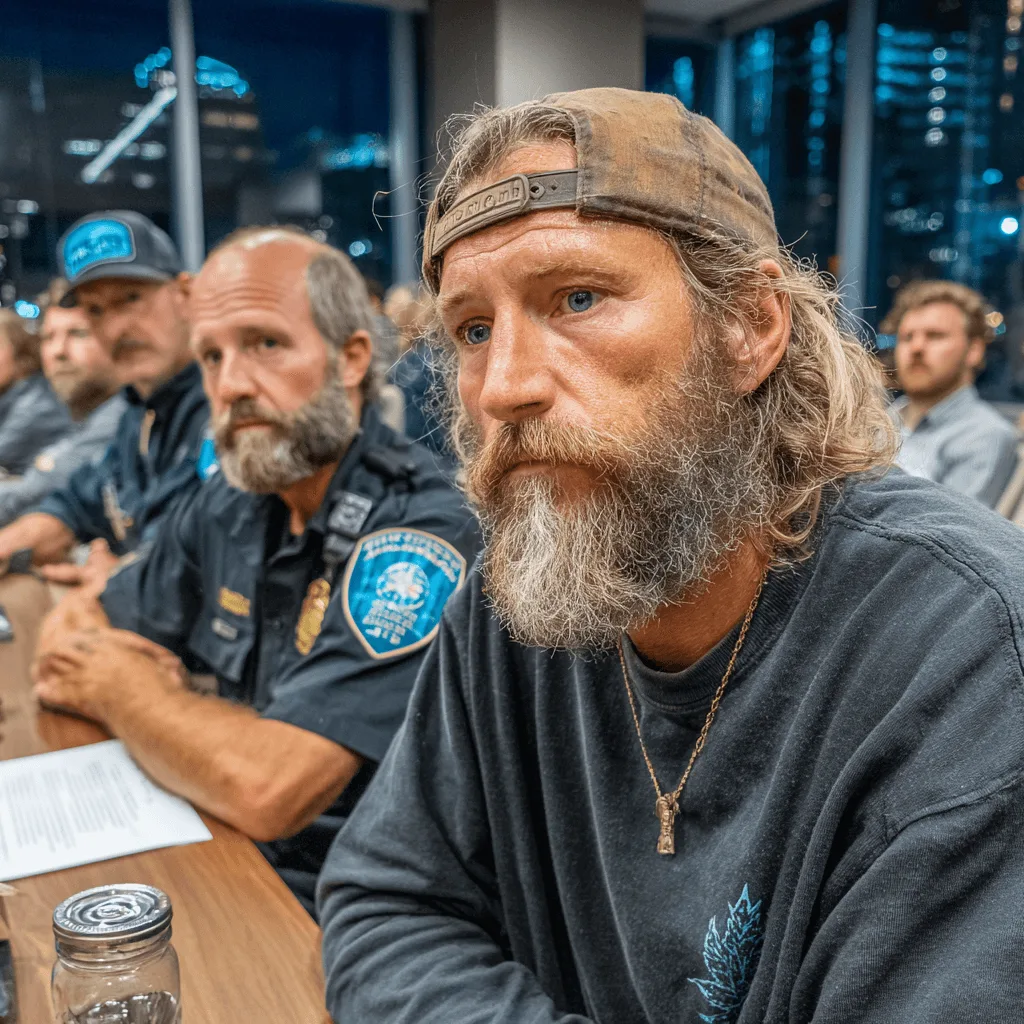
Fast-forward to 2024, and the struggle is real. City councils across Minnesota are fielding public comment sessions packed with both supporters and skeptics of legal cannabis. For example, the city of Brooklyn Center is considering a local moratorium on new cannabis retailers, while neighboring towns host contentious meetings trying to define what counts as a legal business (reported by the Star Tribune). Meanwhile, sheriffs and law enforcement groups quietly ask for clear boundaries, noting that blurred lines make consistent policing almost impossible.
The Minnesota Office of Cannabis Management has yet to finalize licensing rules, leaving entrepreneurs stuck in limbo. Legal questions on public possession, employment policies, and event usage pile up on city desks. According to MinnPost, this regulatory vacuum means business owners, landlords, and even police are winging it in the face of so much uncertainty. Locals regularly turn up at city council meetings, voicing concerns about safe access, community safety, and whether changes in state law mean their hometowns must suddenly allow dispensaries to open shop. The debate here is reminiscent of other states’ fights over defining medical access, such as the changes patients now face in Kentucky’s upcoming medical cannabis rollout. All these cases reveal how the Minnesota cannabis law gray areas impact decision-making on the ground.
Expert Insights: Why the Gray Areas Matter, And What’s Next
Experienced cannabis industry advocates know that regulatory uncertainty can slow local economies and frustrate consumers. When cities are left to define policy by trial and error, mixed messages become the norm. As Leafly News highlights, “Businesses need clear guidelines, not rolling dice on local politics, to invest in jobs and real estate.”
This lack of standardization also creates risk for consumers, who may travel between cities with vastly different rules on public use or purchase limits. Longtime legal reformer Kate Steinberg points out, “The current setup punishes everyday Minnesotans, not just entrepreneurs,” referencing the ongoing knowledge gap for residents relying on city-by-city websites, hearsay, or overworked city clerks for information (see Hennepin County).
But let’s keep it real: While gray areas are tough, they also give advocates a chance to shape fairer, more inclusive rules. This dialogue driven by local governments can build bridges between critics and supporters, showing the wider community that cannabis reform isn’t a Wild West free-for-all. As cities clarify standards, they’re also helping guide the national conversation on substance policy and reform, such as debates over psychedelics and law overlap experienced in New York’s psilocybin legalization efforts.
Where Do We Go From Here? The Optimistic Future of Cannabis in Minnesota
Despite the headaches, Minnesota’s nervous step into regulated cannabis signals wider, positive change. If cities and advocates can bridge these Minnesota cannabis law gray areas with smart policy, Minnesota could set a gold standard for carefully monitored reform. The nationwide push for clarity means that state regulators are under more pressure than ever to deliver well-defined rules that protect everybody – from Main Street businesses to curious consumers.
Industry watchers like Marijuana Moment expect that public education and stable leadership from the Office of Cannabis Management will shrink the regulatory fog. As social acceptance grows and misunderstandings fade, Minnesota cannabis law gray areas may become the subject of future nostalgia: “Remember when nobody could tell you if that dispensary would open?” Until then, advocates, experts, and city councils will keep the conversation rolling—setting the state up for smoother, fairer days ahead.
Originally reported by: akronlegalnews.com



1 Comment
Pingback: Key Largo marijuana seizure: Shocking Find Revealed