




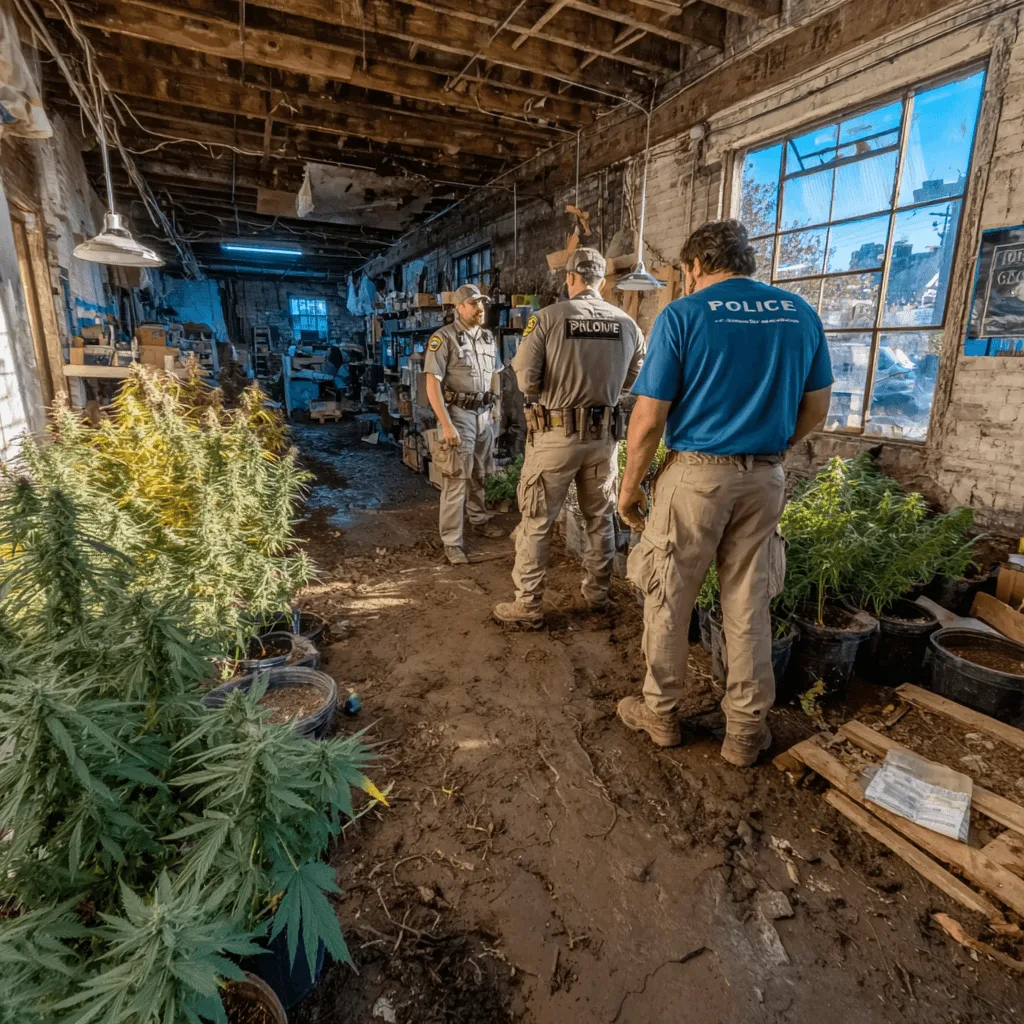
Michigan Police Marijuana Bust Uncovers Massive Grow
There’s a major buzz in Michigan as law enforcement just wrapped up a headline-grabbing cannabis investigation. The state is no stranger to heated debates and surprising headlines, but the recent Michigan police marijuana bust takes things to another level. With the cannabis industry booming, every bust ignites fresh debates about legality, oversight, and the future of weed. If you care about industry trends or just want to keep your finger on the pulse, this story is worth rolling up for. Stick around—we’ll unpack why the Michigan police marijuana bust matters, what really went down, and how it could shake up Michigan’s cannabis scene.
Michigan’s Ever-Evolving Cannabis Landscape: The Legal and Social Context
Michigan has quickly risen among the leading states in legal cannabis commerce. Legalization for recreational use arrived in 2018, but the landscape is anything but chill. Regulatory oversight is strong, with bodies like the Cannabis Regulatory Agency (CRA) creating a web of licensing rules, required tracking systems, and compliance reviews. Despite these controls, tension still simmers between legal markets and illicit grows. Social acceptance runs deep—according to Pew Research, most Michiganders support legal cannabis. Yet, sporadic busts reignite old stigmas and anxieties. The balance between enforcement and embracing a thriving, tax-paying industry has never been more critical. Market observers, like Leafly, note Michigan’s retail sector is booming, but say illegal operations can undermine trust and growth. Conversations around cannabis sales data continue to garner attention, especially given trends covered in September’s cannabis sales data report, highlighting the dynamic and sometimes paradoxical climate—one where every Michigan police marijuana bust prompts fresh scrutiny of laws and attitudes.
Key Developments: Inside the Michigan Police Marijuana Bust Operation
This week, Michigan State Police (MSP) executed a significant enforcement action targeting a suspected illegal grow operation. According to Mid-Michigan Now, officers swept into a warehouse in Saginaw County and discovered 333 cannabis plants. The bust resulted from an extended investigation, with MSP stating the operation lacked any verified cultivation license or compliance paperwork. The officers collected evidence, seized the plants (valued in the six-figure range), and questioned several people at the scene. Investigators noted that the grow used sophisticated indoor equipment—grow lights, ventilation, and nutrient systems—often indistinguishable from fully licensed commercial setups. MSP officials emphasized that the Michigan police marijuana bust reflected ongoing efforts to protect consumers, deter black market activity, and maintain stable market conditions. As of now, no major company names are publicly tied to the bust, but authorities promise further updates as the investigation unfolds. For those following financial implications, the evolution surrounding taxes is critical—recent changes in the state’s wholesale cannabis tax, as outlined in how Michigan’s 24% wholesale cannabis tax impacts everyone, continue to influence both legal and illicit operations. Legal sources, such as MLive, confirm that recent seizures like this have risen, highlighting both increased enforcement and the persistence of unregulated grows even amid legalization.
Expert Takes: Unpacking the Michigan Police Marijuana Bust
This Michigan police marijuana bust has drawn swift reactions from both reform advocates and industry insiders. Some see it as evidence of regulatory gaps, while others worry it fuels negative stereotypes. According to Marijuana Moment, regulatory confusion and high operating costs sometimes drive would-be growers underground. “Busts like this show the law still has rough edges, it punishes small players but rarely touches the real bad actors,” noted Tom Angell, a long-time cannabis journalist and reform advocate. Michigan’s thriving legal industry is at stake when policing priorities seem to blur the line between illegal grows and genuine regulatory slip-ups. Many professionals point out that licensed producers undergo strict safety testing and pay heavy taxes, while illicit cultivators dodge regulation altogether. Yet, a balanced perspective is crucial. Ed Rosenthal, iconic cannabis horticulturist, told High Times, “Every state goes through growing pains, right now, Michigan is just working out the kinks.” This sentiment resonates for many following the fate of unlicensed businesses, much like the challenges faced by an Essex Junction cannabis cultivator confronting local backlash. The reality is: constant enforcement without outreach or accessible pathways to legal status can be both costly and counterproductive for Michigan’s cannabis market.
Looking Forward: What the Michigan Police Marijuana Bust Means for the Industry
The dust is far from settled after this most recent Michigan police marijuana bust. The incident renews calls for smarter, more inclusive regulation that unites public safety with industry growth. Industry experts believe better outreach could reduce illicit grows and encourage legitimate participation—boosting Michigan’s tax revenues and building public trust. Authorities, meanwhile, face pressure to thread the needle between enforcement and enabling equitable market access. As Leafly’s Jobs Report highlights, Michigan now supports one of the largest legal cannabis workforces in the U.S.—the opportunities and impact are real. With careful reform and continued advocacy, these headline-making busts could soon be a thing of the past, replaced with greater social acceptance and robust, above-board operations. In the end, Michigan’s cannabis journey is still just beginning. There’s every reason to stay optimistic and proactive about where the market—and the conversation—goes next.
Originally reported by: midmichigannow.com