



Essex Junction Cannabis Cultivator Faces Backyard Business Risk
The story of the Essex Junction cannabis cultivator isn’t just a local headline—it’s a flashpoint for a simmering national debate. As Vermont’s cannabis market continues to evolve, setbacks like this one highlight real hurdles behind legalization. Homegrown operators face mounting scrutiny, legal roadblocks, and shifting public opinion. In this case, a small-town cultivator’s right to grow is suddenly uncertain—sparking discussions about fairness, compliance, and what comes next for Vermont’s budding cannabis scene. If you care about local business, legalization, or just want to know how policy plays out in your own backyard, this is one story you can’t ignore.
Regulatory Landscape: How Vermont Treats the Essex Junction Cannabis Cultivator
Legal cannabis in Vermont is a young, evolving industry, and cultivators have to walk a fine line. In 2022, Vermont launched its adult-use cannabis market, setting strict licensing rules while leaving plenty of regulation in municipal hands (Marijuana Policy Project). This means any Essex Junction cannabis cultivator must comply not just with state-level THC, safety, and security demands, but also local bylaws about noise, fencing, and what can grow just steps from a neighbor’s deck. Municipal governments can decide zoning, nuisance ordinances, even whether a cannabis business can operate at all within city limits (Vermont Department of Commerce and Community Development). As interest in homegrown cannabis and alternative substances in healthcare rises, so does scrutiny from both residents and regulators. Innovative approaches within the cannabis industry are increasingly discussed by healthcare professionals and regulators alike. Essex Junction, like many Vermont towns, is wrestling with how to balance economic opportunity, public health, and community character in its approach to cannabis regulation.
Key Developments: The Essex Junction Cannabis Cultivator Under Fire
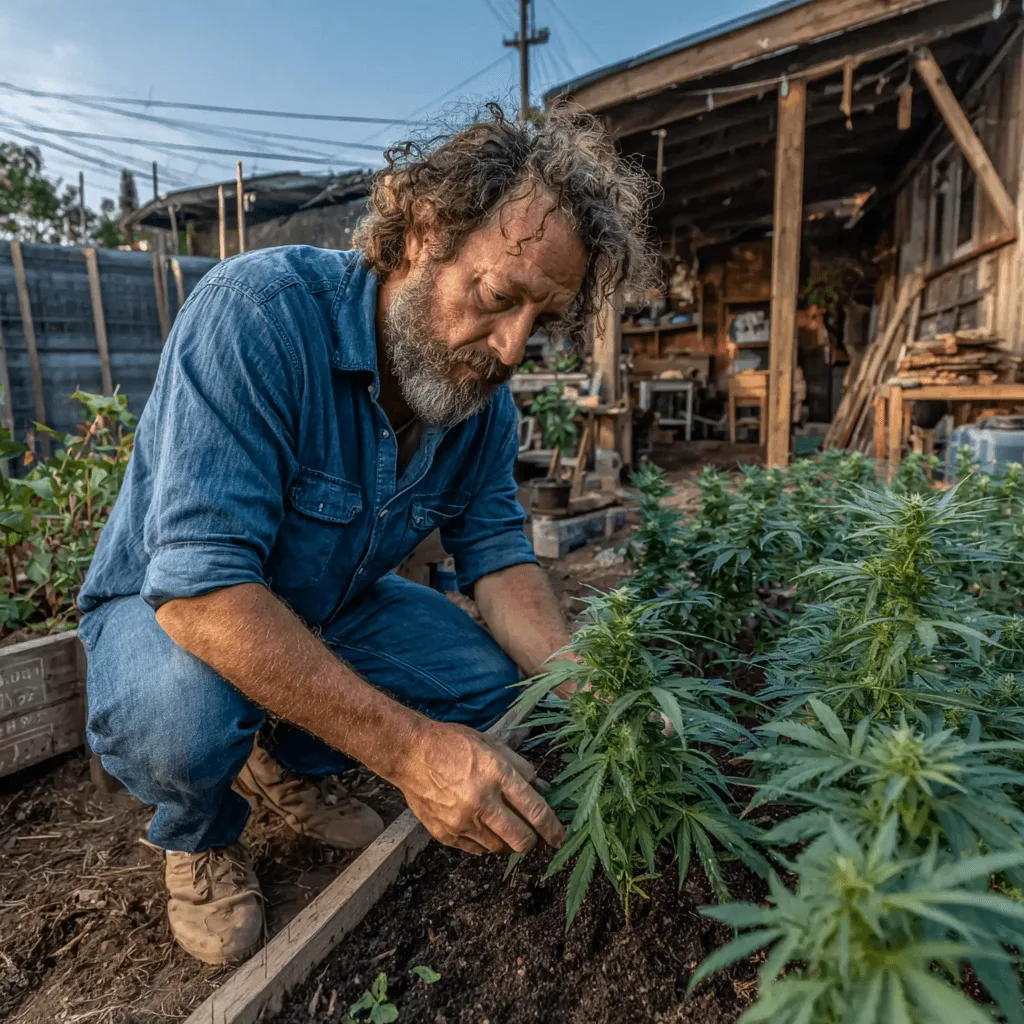
The core of the controversy is a licensed Essex Junction cannabis cultivator running his business from a modest backyard. According to VTDigger, the cultivator—who holds a valid license under Vermont’s cannabis board—has become the focus of neighbor complaints, citing worries about odor, visibility, and property values. In early October 2025, the Essex Junction town council publicly debated whether the grow operation violates local land use rules or presents a “nuisance.” Legal filings show regulators are considering whether a backyard location meets state security and zoning standards. For example, spikes in marijuana sales and attention around September have heightened community awareness and local debates. Recent sales data has generated significant discussion about market impact and policy shifts. The cultivator’s small-batch operation, operating within the letter of state law, reportedly faces an existential threat unless the town grants him an exemption or changes its stance. The council’s deliberations drew strong turnout, with opinions split between protecting small business and keeping cannabis out of residential areas. The local compliance board cited state security regulations as a sticking point, while advocates argued the cultivator’s approach supports Vermont’s craft cannabis ethos.
Expert Analysis & Community Insights: What This Means for Cannabis in Vermont
This Essex Junction cannabis cultivator’s battle isn’t an isolated incident; it’s the tip of the iceberg in green-state politics. Across Vermont, local resistance is clashing with market enthusiasm. Industry leaders stress this tension isn’t unique to Essex Junction. As explained by Hemp Grower Magazine, “Municipal buy-in is essential for cultivators. Local governments can make or break small farms.” These public disputes often reflect wider anxieties about property values and youth exposure, but can also mask deeper cultural divisions about what ‘legal weed’ really means. The cultivator’s situation shows how licensing alone isn’t enough if social acceptance lags behind. Recent insights into the journey from retail staff to leadership roles illustrate how the cannabis industry is evolving and highlighting personal growth within the sector. Stories of career advancement in cannabis retail often mirror the challenges faced by cultivators in regulatory environments. As one local cannabis policy expert put it during a public meeting, “If Vermont wants craft cannabis to thrive, we can’t treat every backyard grower like he’s running a bootleg distillery.” Industry watchers say cases like this will shape future licensing guidelines and community outreach strategies, especially as Vermont’s adult-use sales expand.
The Path Forward: Turning Local Tension into Industry Progress
The Essex Junction cannabis cultivator’s fight serves as a powerful test case for Vermont’s cannabis future. While real frustrations exist—on property lines and policy—these growing pains are vital. Every legal challenge creates a chance for smarter regulation, clearer communication, and more robust public support. As reported by Cannabis Business Times, Vermont’s market has already outpaced projections for legal sales, with local cultivators driving job growth and tax revenues. The more cities like Essex Junction adapt and innovate, the more likely Vermont will become a model for balancing local control with industry opportunity. Expect further discussion, fresh compromise, and steady progress as the green rush turns roots deep in the Green Mountain State. For the Essex Junction cannabis cultivator—and every other small grower—challenges like these signal one thing: The era of cannabis prohibition is fading fast, and what grows next depends on everyone at the table.
Originally reported by: vtdigger.org


1 Comment
Pingback: Michigan Wholesale Cannabis Tax: What the New 24% Rate Means