




meth THC DUI Bethlehem: Shocking Details in Crash Case
There’s never been a more crucial time to understand the real-world impact of impaired driving, especially as cannabis legalization evolves. Recent events surrounding a meth THC DUI Bethlehem case show why local communities, regulators, and advocates are all watching this space closely. This case is a perfect storm of changing laws, heightened social awareness, and the technical challenges of modern roadside enforcement. If you care about safe streets, cutting-edge cannabis policy, or social perceptions, this one’s worth your attention.
Understanding the Regulatory and Social Backdrop
The intersection of cannabis reform and DUI law has never been more complex. While Pennsylvania hasn’t fully embraced adult-use cannabis, medical marijuana use is legal under the state’s Medical Marijuana Program. However, state law maintains a zero-tolerance stance on driving under the influence of controlled substances, including THC, even if prescribed. Nationally, there’s ongoing debate about how to accurately test for real impairment, as current roadside methods can’t distinguish between recent use and residual traces. According to the NORML, this patchwork approach complicates enforcement, and leaves cannabis patients vulnerable to criminal charges for non-impairing residual levels. Meanwhile, the public is caught in the crosshairs: safety advocates call for stricter oversight, while reformers push for science-based solutions. Recent education about the risks and nuances of cannabis law has become increasingly important, especially as the meth THC DUI Bethlehem case is a textbook example of this tension in action.
Key Developments & Issues in meth THC DUI Bethlehem
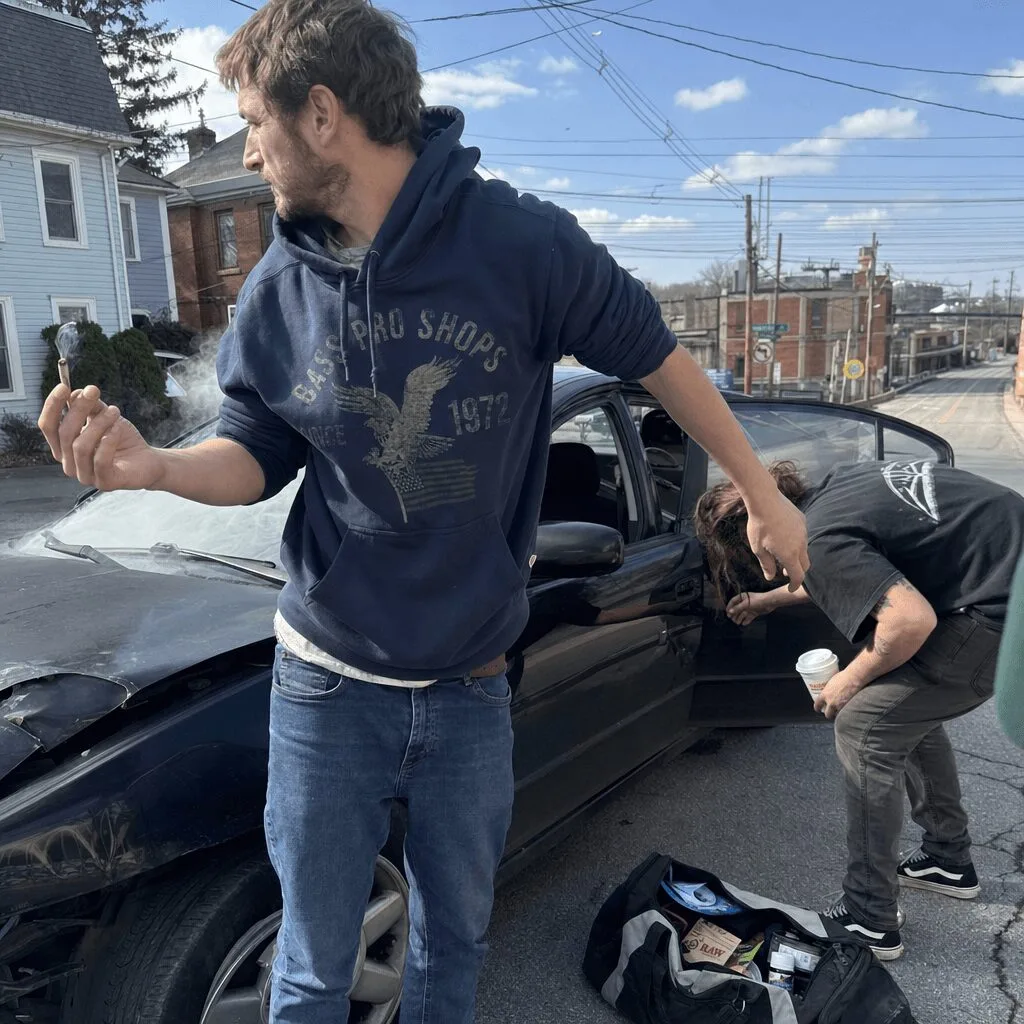
According to details from the recent Bethlehem incident, a local driver was charged after a fiery crash, with law enforcement confirming the presence of both methamphetamine and THC in their system. This wasn’t just a brush with minor damage, officials described a chaotic scene, upending traffic and drawing emergency services from around the region. Lehigh County’s DA stated toxicology confirmed the combination of substances—prompting felony DUI, reckless endangerment, and related charges. The court documents, filed 1780106301, laid out the sequence: officers found cannabis packaging at the scene, and roadside sobriety indicators led to further testing. Industry leaders shaping the cannabis landscape highlight how overlapping drug use situations amplify enforcement complexity and public concern. This meth THC DUI Bethlehem case is setting new precedent in how local authorities handle such multifaceted impairment cases.
Expert Analysis & Pro-Cannabis Perspective
No surprise, the collision of enforcement, science, and stigma creates controversy. Cannabis experts have long pressed for impairment-based standards, not just presence-based ones. As Dr. Ethan Russo, neurologist and leading researcher, notes: “Testing should be about impairment, not arbitrary numbers. Cannabis can stay in your system long after effects vanish. DUI laws must evolve with the science.” This meth THC DUI Bethlehem situation spotlights a common industry refrain: don’t lump all substances together. While driving under the influence of any drug is unsafe, THC’s impairment curve varies dramatically compared to substances like methamphetamine. Many industry leaders and legal analysts argue that outdated tests penalize responsible cannabis users and medical patients, a view echoed by data in Leafly’s report on cannabis and driving. Ongoing legal education and insights are driving the call for evidence-based DUI legislative reform, balancing public safety without reinforcing prohibition-era hysteria.
Future Outlook for Cannabis, Safety, and Social Change
High-profile cases like meth THC DUI Bethlehem push the conversation forward—sometimes uncomfortably, always necessarily. As regulators, courts, and voters rethink their positions, expect Pennsylvania and other states to revisit current policies. Modern roadside assessments, public education, and legal reform are already in the pipeline. Most importantly, open-minded debate is replacing fear-driven policy. According to MJBizDaily, states investing in better impairment detection are seeing falling accident rates and increased trust. The cannabis community continues championing reform, advocating science, and building a culture of responsibility. The meth THC DUI Bethlehem story isn’t just a headline—it’s a turning point. And while progress sometimes comes by way of hard lessons, the momentum toward fair, responsive cannabis law feels both unstoppable and overdue.
Originally reported by: wfmz.com



1 Comment
Pingback: Discover the Top Minneapolis Restaurant Everyone's Talking About