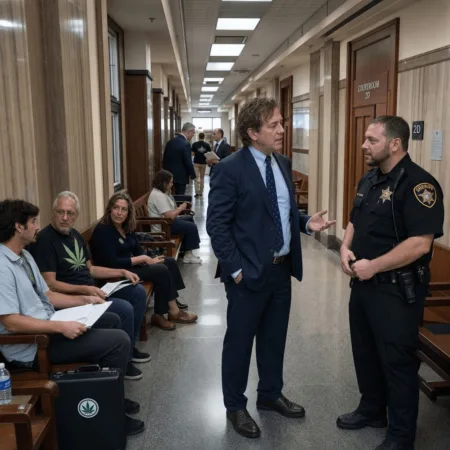
Menominee marijuana dispensary lawsuit: What’s at stake?
The Menominee marijuana dispensary lawsuit is heating up, drawing attention far beyond Michigan’s Upper Peninsula. This case isn’t just some legal footnote—it’s a prime example of how local cannabis regulations can ignite fierce community debates, pit business interests against city leaders, and reshape small-town economies. As local officials and dispensaries clash in the heart of Menominee, everyone from local buyers to national cannabis experts is watching, making this dispute a must-follow for anyone dialed into marijuana’s regulatory evolution. Here’s why this situation matters, what’s unfolding, and what it could mean for the future of cannabis in Michigan and well beyond.
Understanding the Regulatory Backdrop and Social Dynamics
To get why the Menominee marijuana dispensary lawsuit matters, you have to know how Michigan’s cannabis landscape operates. Since voters approved recreational marijuana in 2018, communities gained broad power to regulate, or reject, marijuana businesses within their borders. That’s made local ordinances a major battleground, especially in conservative or rural towns like Menominee. According to the Michigan Cannabis Regulatory Agency, more than 1,000 municipalities opted out of recreational sales, while others set up complex local licensing rules. These regulations can decide everything from where a dispensary opens to how many can operate. The interplay of local pushback and support creates a unique patchwork that shapes who really gets access. Similar debates have also sparked conversation in places far outside Michigan, as seen in recent community controversies over drug busts and law enforcement practices during marijuana legalization efforts, such as what happened during the Jonesboro drug enforcement debate. In Menominee, the pro-cannabis energy is bumping up against persistent community fears and cautious city hall politics. The result: lawsuits that reflect both a maturing market and ongoing social tension according to industry reporting from Marijuana Moment.
Key Developments & Legal Stand-Off
The actual events behind the Menominee marijuana dispensary lawsuit read like a small-town drama with big economic stakes. It kicked off when Puff Cannabis, a well-known Michigan dispensary group, filed a lawsuit after their application was denied by the city of Menominee. The city council had capped the number of marijuana business licenses, claiming it was a move to keep things controlled in line with community standards, as reported in recent coverage from FOX 11 News. Puff Cannabis argued that the selection process lacked transparency and unfairly favored certain applicants, which led them straight to court. The complaint was taken up by Menominee County Circuit Judge Mary Barglind, who is tasked with sorting out whether the city’s process met legal and constitutional standards. Ongoing legal questions about whether established or new dispensaries can open their doors are not unique to this case, mirroring uncertainty in other states such as Oklahoma where medical marijuana policies are in flux, as illustrated by recent Oklahoma policy debates. The back-and-forth in court, even as written decisions are pending, has created a real stalemate for both sides. For local buyers and employees, this means uncertainty about whether existing or potential new dispensaries can open for business as the legal wrangling continues.
Expert Analysis & Industry Insights
You can’t overstate how the Menominee marijuana dispensary lawsuit illustrates larger trends in cannabis. Every time a city’s regulatory decisions get challenged, it sends ripples through the industry. As Leafly Industry News noted recently, Local licensing is still the biggest gatekeeper for cannabis business success, and these fights matter for market access and fairness. This is echoed by legal expert and cannabis attorney Hilary Bricken, who told Canna Law Blog, The patchwork of local laws can drive business uncertainty, but court challenges are pushing governments to become more consistent and transparent. These battles over local policy often reflect wider societal questions about how cannabis interacts with mental health, opening up new discussions, as seen in mental health research connected to cannabis use. The Menominee marijuana dispensary lawsuit is also a reminder that there’s huge demand in smaller communities, not just in big cities. When local policies exclude new entrants, it can hold back broader acceptance, even when state-level voters clearly said ‘yes’ to legal weed. As a seasoned cannabis advocate, I’ve seen how these clashes usually spur more thoughtful rules, stronger legal rights, and ultimately, better access for everyone who wants safe, regulated cannabis. It’s messy, but it’s real progress.
Looking Ahead: Progress, Potential, and Growing Acceptance
While the Menominee marijuana dispensary lawsuit might feel like a setback, it’s really just another round in the evolving game of cannabis regulation. As more small towns and city halls face these legal and social showdowns, the rules will keep getting tested and ultimately clarified. The broader trend in Michigan, according to industry reporting from MJBizDaily, is in favor of more open markets and fair processes—even if the path is far from smooth. I’m optimistic that as these lawsuits shake out, communities will strike a better balance between local control, economic opportunity, and patient access. For Menominee, the outcome could set a powerful precedent for countless places navigating the gray areas of legal weed. And if history is any guide, pressure from the public, courts, and businesses will keep pushing cannabis out of the shadows and into the mainstream, one small-town lawsuit at a time.
Originally reported by: fox11online.com