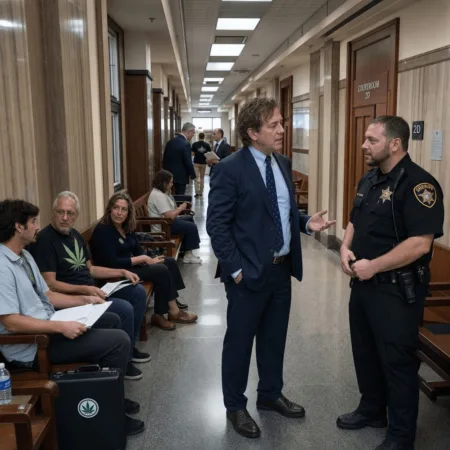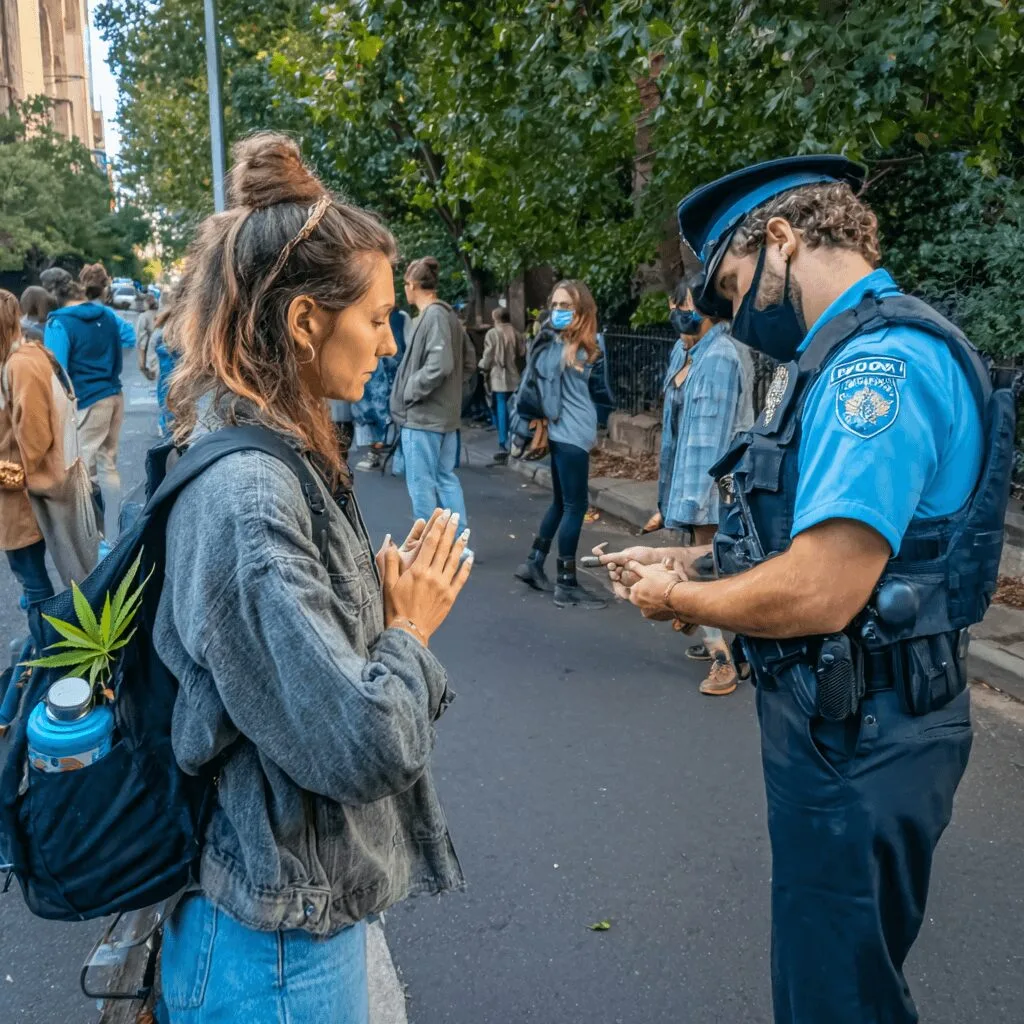
Melbourne police pat-down powers: What you must know now
Right now, Melbourne’s city streets are buzzing with more than just the energy of summer. The new Melbourne police pat-down powers are making waves both with everyday folks and the city’s tight-knit cannabis community. With fresh laws rolled out in late 2025, local activists, industry watchers, and civil rights advocates are weighing in. Whether you’re rolling up after work or just catching a tram home, understanding how these changes impact daily life—and the cannabis scene—is crucial. This guide dives into the latest shifts in law enforcement powers, what sparked this legal buzz, and how it might shift cannabis culture or your next laneway sesh.
Understanding the Legal and Social Backdrop
Melbourne’s relationship with cannabis and policing is as nuanced as a terpene profile. Traditionally, Victoria has leaned progressive in cannabis reform, yet public order laws have always lurked in the background. In 2025, concerns around safety at major public events sparked a rethink of regulatory approaches. According to the Victorian Law Reform Commission, lawmakers weighed issues like individual privacy, drug decriminalization trends, and civil liberties when drafting new powers. These aren’t just random policy pivots, they reflect global patterns, like the ongoing conversations within the UK and US (see NORML for trends). The social context? Cannabis use in Melbourne is common, but public attitudes have been shifting, and recent research from AIHW reveals rising recreational acceptance even as lawmakers reassert police authority. This echoes broader regulatory debates, not unlike the discussion around local reforms in places such as Eastpointe, where medical marijuana laws are also reshaping community norms. Catching the tail end of festivals or a packed rally, there’s always a grass-root tension between freedom and regulation.
New Laws, High Stakes: Core Developments in Melbourne police pat-down powers
The headline grabber? Victoria’s government approved expanded stop-and-search powers for police across designated parts of Melbourne, rolling out late December 2025. According to recent news from The Guardian, the legislation sets out special ‘search zones’ covering key public gathering spots in the CBD. These changes allow police to search individuals, not just for weapons, but for cannabis and other controlled substances, without needing the usual reasonable suspicion. Many attribute this escalation to high-profile public rallies and the coming Invasion Day events. Legal challenges emerged quickly. Notably, community organizers and legal groups, including the Victorian Aboriginal Legal Service, filed cases arguing breach of constitutional and human rights. Police Commissioner Shane Patton defended the need, highlighting worries about event safety and increased street drug activity. Meanwhile, local cannabis advocates—like the group Greedozer—have flagged discrimination concerns and the risk of over-policing marginalized groups. Discussions about how Melbourne’s approach fits into a wider global movement for safer, legal community vibes can be seen by comparing it with California’s own cannabis event regulations and their community impacts. This isn’t just a legal battle, but a key test of how Melbourne balances safety, civil rights, and evolving drug laws.
Industry Insight and the Cannabis Community’s Take
So, what does this mean for Melbourne’s cannabis fans and professionals? Easy answer: it’s complicated. Many industry insiders, like longtime advocate Rhys Cohen, say these changes “risk driving cannabis users out of the public eye, making honest, safe consumption scarier for everyday people.” (Source: Cannabis Council of Australia) The move also reopens old rifts between police and the cannabis community, despite mounting evidence in global research showing that stop-and-search rarely reduces harm, and often just boosts distrust. For cannabis retailers and medical users, uncertainty now creeps in: Are their clients safe coming and going from the CBD, or will discretionary searches ramp up anxiety and stigma? Yet, some see a silver lining. Stories about policing, such as recent cases where law enforcement practices impacted cannabis industry stakeholders, highlight that this friction prompts louder, more organized calls for broader decriminalization, as seen in the ongoing legal reforms across places like ACT and Canada. “We aren’t heading backward, if anything, this just spotlights the need for smarter, equitable cannabis regulation,” says Cohen. It’s a classic chill-meets-challenge moment: stay informed, know your rights, and keep the passion for progress rolling.
Looking Forward: Change in the Air for Melbourne and Cannabis Culture
Despite all the current drama around Melbourne police pat-down powers, the long-term vibe for cannabis reform remains upbeat. Increased public discourse is already fueling fresh debates at City Hall and in state parliaments. According to recent survey data from AIHW, nearly half of Australians now support some form of regulated, legal cannabis. Every challenge nudges the industry and advocates toward smarter, human-focused solutions. In communities from Collingwood to St Kilda, cannabis isn’t just a culture; it’s a movement. The future? Expect more open conversations, improved legal protections, and—eventually—a harmonized approach to both safety and civil liberties. If anything, these changes might spark even bolder steps for fairness, inclusion, and responsible cannabis enjoyment. Light up your knowledge and stay tuned: the next chapter in Melbourne’s cannabis scene is still rolling up.
Originally reported by: theguardian.com