More Americans are looking into medical marijuana for Parkinson’s like never before. This trend isn’t just hype—there’s growing buzz in the news, vivid discussions on patient forums, and rising curiosity among doctors. Shifting regulations and fresh clinical studies mean that access to cannabis as a therapy for neurological disorders like Parkinson’s Disease is a hot topic. In this piece, we’ll dive deep into lived experience, expert perspective, and what’s changing in the cannabis landscape for patients with movement disorders.
Understanding Medical Marijuana for Parkinson’s: Background & Context
To really get the story on medical marijuana for Parkinson’s, you need a handle on the evolving patchwork of laws and stigma around cannabis. The last decade has seen an explosion of state-level medical cannabis programs. According to the Marijuana Policy Project, 38 states plus D.C. now offer legalized medical use, with several specifically listing Parkinson’s as a qualifying condition. Still, federal law hangs on to its Schedule I status, making research tricky and intimidating some doctors and patients. Social attitudes are shifting fast, though, especially among seniors, says the National Organization for the Reform of Marijuana Laws (NORML). As cannabis loses its ’stoner stigma’ and more Americans recognize it as a legitimate medicine for chronic conditions, issues around workplace policies and broader acceptance are also shifting—these are explored further in resources like this recent discussion on workplace normalization. Scientists, meanwhile, are racing to catch up with patients, pushing out new peer-reviewed studies and meta-analyses. According to JAMA Neurology, there’s more research being published on cannabis in neurodegenerative disease than ever before. In short, the market’s booming, the rules are in flux, and the culture is catching up.
Key Developments & Real-World Issues with Medical Marijuana for Parkinson’s
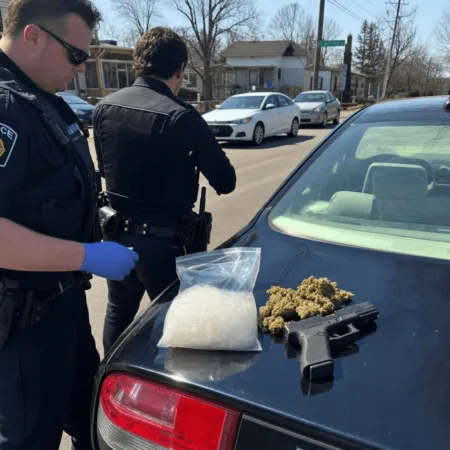
The original experience article by Mary Beth Skylis (Parkinson’s News Today, Oct 2021) puts a human face on all these numbers and policies. After battling Parkinson’s symptoms and seeking mainstream therapies, Skylis describes taking the plunge with medical cannabis. Her journey started legally—she obtained a medical marijuana card in her home state, with her neurologist’s cautious support. Over several weeks, she tried both high-CBD and balanced THC/CBD flower, initially via vaporizer (no risky combustion). Skylis reports subtle improvements in anxiety and sleep, but also raises challenges: unpredictable dosing, difficulty sourcing lab-tested products, and initial worry about possible psychoactive side effects. Her honest verdict? Not a miracle cure, but a tool worth considering, especially if conventional meds leave you hanging. These sorts of challenges echo recent public debates surrounding cannabis seizures and evolving law enforcement policies, like the Baldwin County drug bust in Alabama. This mirrors findings in recent patient surveys by the American Parkinson Disease Association: most who try medical marijuana for Parkinson’s report at least mild symptom relief, particularly for tremor and sleep, though not everyone gets dramatic results.
Expert Analysis: Insights from the Cannabis Community
When it comes to medical marijuana for Parkinson’s, industry voices and clinicians often agree: this isn’t just a fad, it’s a paradigm shift. Dr. Ethan Russo, noted cannabis scientist, tells Leafly, “More research is needed, but cannabis shows promise for neuroprotection and symptom management.” That transparency, admitting both promise and limitations, is key for building trust. The industry, meanwhile, is rushing to meet demand with specialized formulations and new education campaigns tailored to older adults. “Our data shows a steady increase in seniors seeking cannabis for movement disorders,” notes a New Frontier Data analyst, referencing the market’s 2023 trends report. The trend toward empowerment in patient care is mirrored in stories about expanded access and compassionate facilities—similar to what’s happening in Delaware’s changing approach to medical cannabis for the terminally ill. Experts say that normalizing cannabis use in Parkinson’s leads to less shame and more constructive conversations with health providers. In my own daily work with patients and advocacy groups, the biggest recurring themes are: access, quality control, finding the right dosage, and honest education, not sales pitches.
The Future: Growing Hope for Medical Marijuana and Parkinson’s Relief
Here’s why I’m hopeful: every month brings news of new clinical trials, patient-led data, or regulatory wins. More states are opening access, physicians are getting on board, and mainstream press stories are dispelling myths about medical marijuana for Parkinson’s. If you’re considering the cannabis route, know you’re not alone—millions are, too, and the climate is only getting friendlier. The numbers back it up: even the Pew Research Center finds a supermajority of U.S. adults now support legal access. We’re at the dawn of a more empowered, informed era for people with Parkinson’s—and cannabis plays a real part of that future. Stay curious, stay skeptical, and keep it honest.
Originally reported by: parkinsonsnewstoday.com