




Medical Marijuana Alabama: What You Need to Know Now
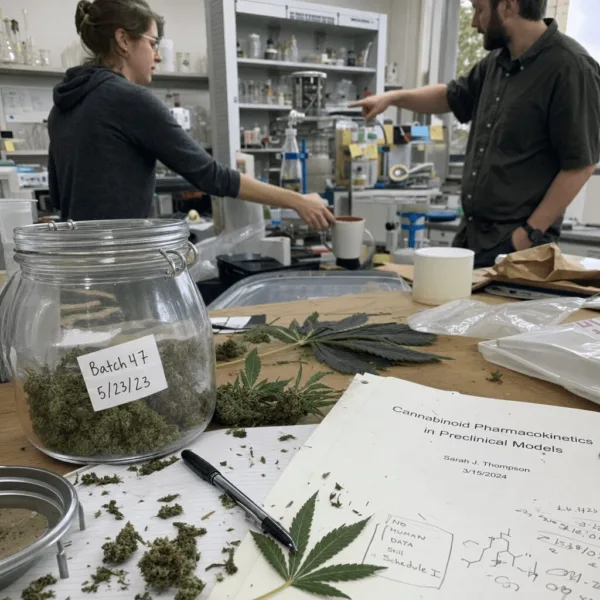
Curious about all the buzz around medical marijuana Alabama in 2024? You’re not alone. With evolving state regulations, patient demand, and shifting workplace norms, understanding medical cannabis law is crucial today. Whether you’re a patient, professional, or cannabis enthusiast, this guide breaks down what matters most: the newest rules, who qualifies, where the market is headed, and how Alabama is finally catching up with national trends—at a pace that’s anything but boring.
The Legal Landscape: Background & Context in Alabama
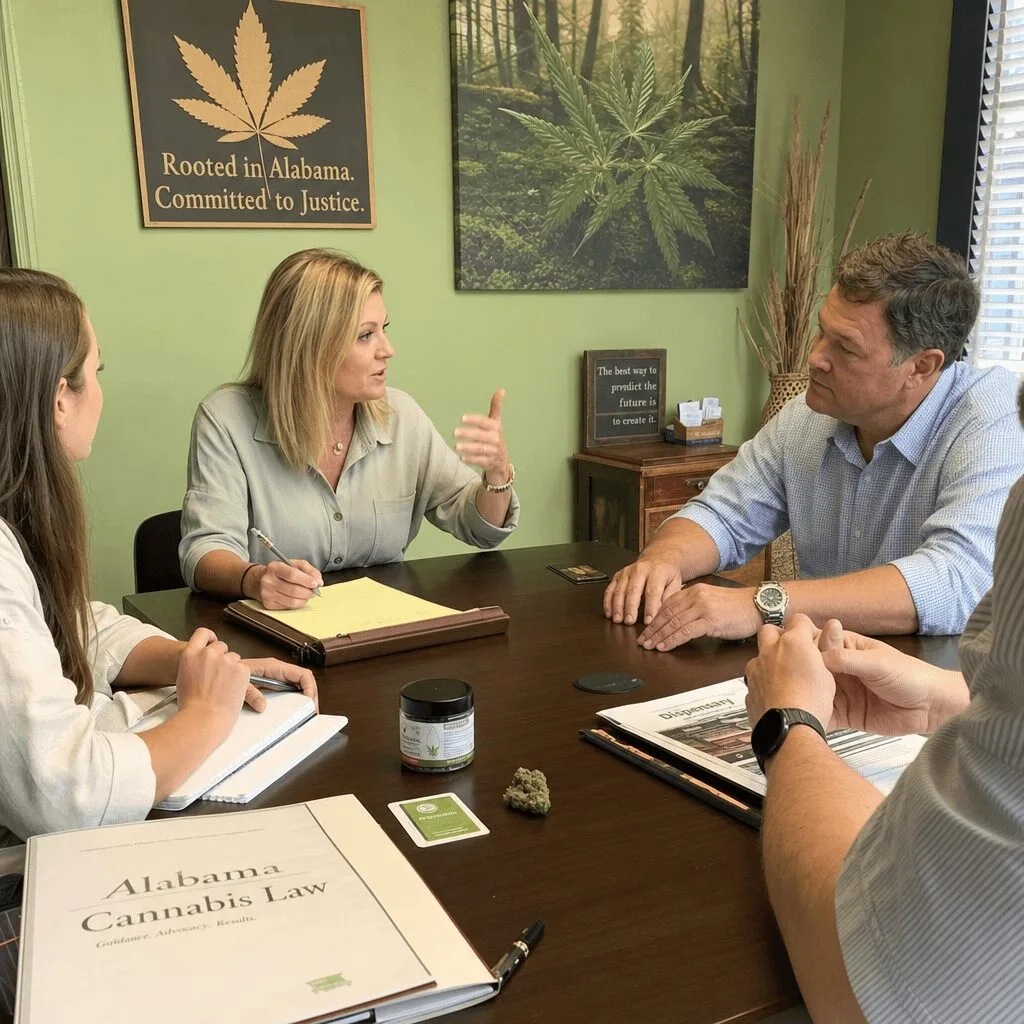
The conversation around medical marijuana Alabama has heated up thanks to major legal shifts in recent years. After a long-standing ban, Alabama lawmakers passed the “Darren Wesley ‘Ato’ Hall Compassion Act” in 2021, which signaled progressive change. However, implementation has been a slow burn, challenged by bureaucracy, public health debates, and conservative pushback. According to Marijuana Policy Project, the state’s regulatory rollout is among the most scrutinized in the South, reflecting both hope for reform and lingering worries from opponents. Socially, public sentiment is thawing, with recent polls (as cited by AL.com in 2023) showing that most Alabamians now support medical cannabis access. This dramatic shift is creating new questions for law firms, advocacy groups, and everyday community members navigating the changing scene, much like the impact of law enforcement events discussed in articles detailing local responses, for instance, the Upstate NY cannabis bust and its effect on regional attitudes.
Key Developments & What’s Really Happening
Now for the nitty-gritty on medical marijuana Alabama in 2024. In May 2021, Governor Kay Ivey signed the landmark bill legalizing medical cannabis. But, as WAAY 31 News detailed, actual patient access has lagged due to legal squabbles over the licensing process. The Alabama Medical Cannabis Commission (AMCC) has faced courtroom clashes over permit distribution, with multiple lawsuits from companies like Verano Holdings and others fiercely competing to win some of the state’s few coveted licenses. In late 2023 and early 2024, headlines reported hearings, restraining orders, and a series of re-evaluated applications, making Alabama’s system one of the most heavily litigated markets in the Southeast. As of spring 2024, the AMCC has begun issuing licenses to a small pool of approved growers, processors, and dispensaries. Meanwhile, the qualifying conditions list—currently including conditions like cancer, epilepsy, Crohn’s disease, PTSD, and chronic pain—continues to be a big talking point among patients and advocates, much as the real-life consequences for families feature in stories such as the impact of THC ingestion arrests on families.
Expert Analysis: What Sets Alabama Apart?
So why all the drama in the Alabama market? Some would say it’s growing pains. According to industry analyst Tom Angell, “Alabama’s approach to medical marijuana is unique, not just for its caution, but also for its potential to become one of the most tightly regulated yet rapidly innovating markets” (Marijuana Moment). This blend of strict oversight and pent-up demand may boost patient safety, but it also creates bottlenecks, as patients still report delays in ID cards, product supply, and finding qualified doctors. Compared to states like Florida or Mississippi, Alabama caps its dispensary licenses and restricts consumption methods, with no smokable flower so far—only pills, patches, and tinctures are allowed. Many experts see this as a double-edged sword: it keeps things orderly but risks leaving some patients in limbo unless improvements are made. Alabama’s evolving landscape around medical marijuana remains under scrutiny—balancing cautious regulatory steps with strong consumer interest and shifting legislative winds, trends mirrored elsewhere as innovative cultivation methods expand, as seen in Arizona’s advances in aeroponic cannabis cultivation.
Looking Ahead: More Access and Acceptance?
The future of medical marijuana Alabama is looking brighter, even if the process has felt glacial at times. With more licenses rolling out in 2024 and increasing mainstream acceptance, advocacy groups like the National Organization for the Reform of Marijuana Laws (NORML) are optimistic about further reforms and expanded patient access. Education, transparency, and patient safety remain at the center of policy updates—while ongoing court cases and legislative tweaks keep the scene lively. For patients, doctors, attorneys, and cannabis industry workers, Alabama’s legal marijuana journey is finally gaining real traction. Stay informed—because in 2024, medical marijuana Alabama isn’t just a headline. It’s shaping health, law, and culture across the state.
Originally reported by: waaytv.com


1 Comment
Pingback: Milam County Jail THC bust: Jail Employees Indicted Over Vape Scandal