





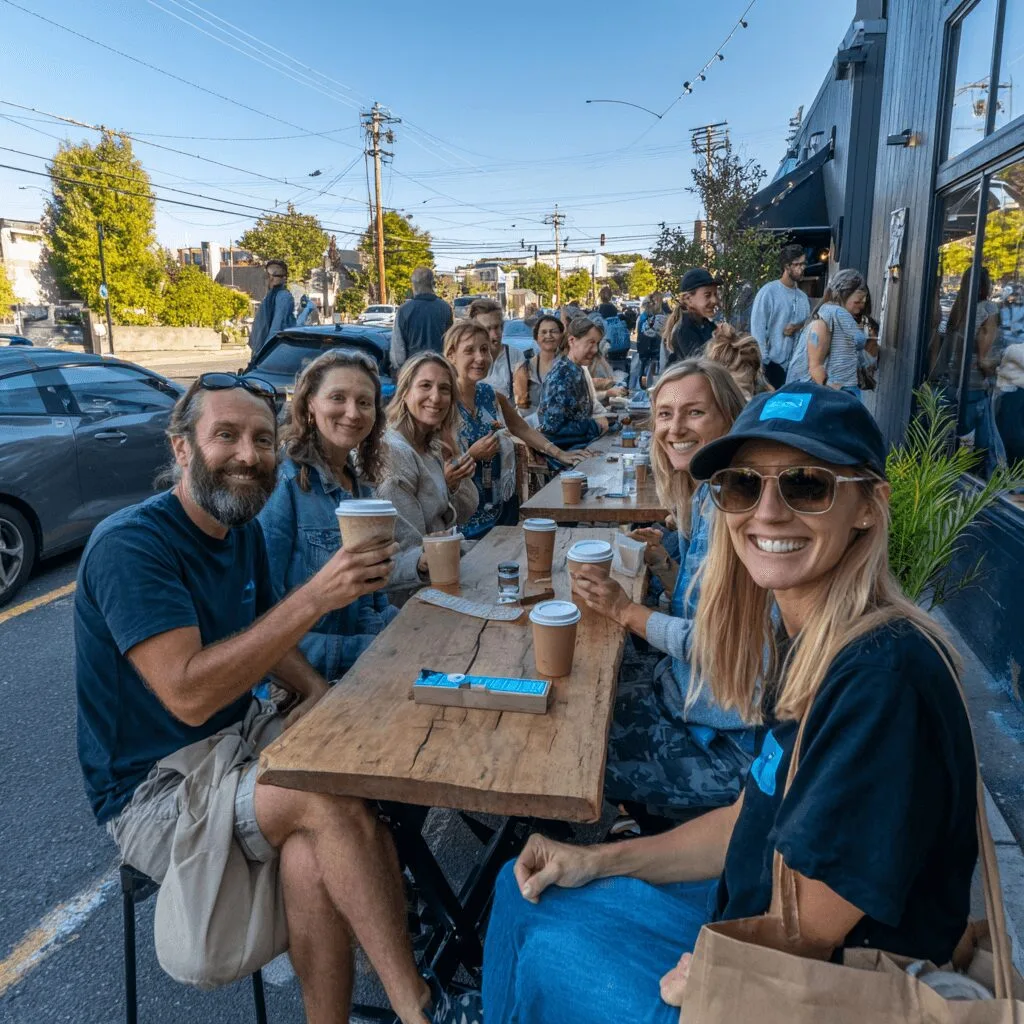
Massachusetts cannabis social consumption: New era for public use?
If you’ve been tracking the latest updates in the cannabis space, you know Massachusetts cannabis social consumption is about to change the game—again. After years of debate, new rules are opening the door to cannabis cafés, creating buzz across both the industry and local communities. With shifting regulations and growing demand for safe, communal spaces, Massachusetts cannabis social consumption isn’t just a talking point—it’s setting a national example. Let’s break down what’s happening, why it matters, and what it means for cannabis culture in the Bay State.
How We Got Here: Legal, Social, and Market Momentum
Massachusetts has always been a leader in the cannabis scene, pioneering medical use in 2012 and legalizing adult-use recreational cannabis in 2016. But until now, much of that consumption has happened in private, keeping social cannabis experiences out of reach for many adults. According to the Massachusetts Cannabis Control Commission, public consumption remained strictly off-limits, limited to what you could do at home or a private rental, hardly the communal vibe cannabis is built for. Social consumption spaces, like cafés or lounges, are finally moving from the legislative back burner to center stage, thanks to dedicated advocacy and recognition of the need for safe, regulated venues. Culturally, Massachusetts cannabis social consumption reflects a broader trend: more states are acknowledging people need better options than the old living room smoke session. While cities across the country are debating similar public consumption themes, some, such as Glen Cove, have seen heated council debates over public marijuana smoking bans that reflect the national conversation on public use.
Key Developments: Legalization, Licenses, and What’s on the Table
The latest big step? State regulators approved new rules for social consumption sites in early 2024, after years of pilot programs and heated public comment. According to CBS News Boston, the Massachusetts Cannabis Control Commission voted to move forward, opening up a new licensing pathway for operators wanting to set up cannabis cafés or lounges. Critics and advocates alike weighed in for months, reflecting just how invested local communities and business owners have become. The regulations cover key points like:
- Adults 21+ only, with strict ID checks
- Consumption strictly within licensed venues, no takeout joints
- Mandatory training for staff on safety and responsible service
- Careful zoning to avoid proximity to schools and certain businesses
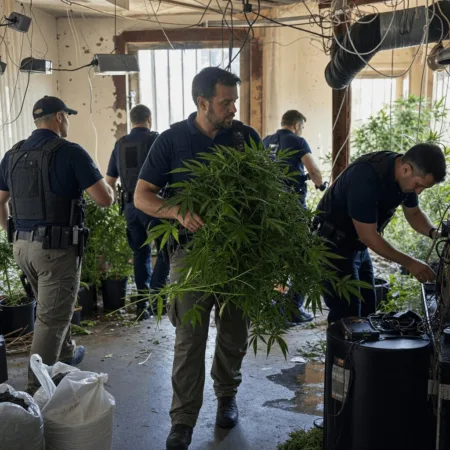
The first social consumption pilot sites are expected in places like Somerville and Provincetown, two cities that pushed for local control and inclusion of equity applicants. This development stems from years of advocacy, special shoutout to groups like Equitable Opportunities Now fighting for restorative justice in licensing. These are big moves, especially compared to years past when proposals kept stalling in legislative committee. The aim is clear: make Massachusetts cannabis social consumption safer, more inclusive, and actually legal outside your own four walls. Meanwhile, local debates over cannabis enforcement, like those seen in stories of shoplifting marijuana arrests in Rome, Georgia, show how different regions handle evolving cannabis laws.
Expert Analysis: Why Cannabis Cafés Are a Big Deal
Let’s get real, Massachusetts cannabis social consumption is more than just passing around a joint at a café, it’s about equity, community, and reducing risks tied to unregulated public use. According to industry veteran Shaleen Title, former Cannabis Control Commissioner, “Social consumption venues are crucial for people who can’t consume at home, renters, parents, medical patients. It’s a matter of fairness and public health.” (Source: Shaleen Title).
Nationally, other regions like Colorado and California have experimented with public cannabis use, but few have rooted those changes in such a strong social equity framework. Massachusetts is positioning itself as a model, integrating cannabis equity efforts into every layer of social consumption policy. Industry analysis from outlets like Marijuana Business Daily points out that these communal spaces could drive innovation, helping normalize responsible cannabis use while boosting local economies. Notably, creative approaches that bring people together around cannabis, such as cannabis-themed knitting circle events, are clear signs of the social and cultural growth awaiting Massachusetts as it paves the way for more inclusive venues.
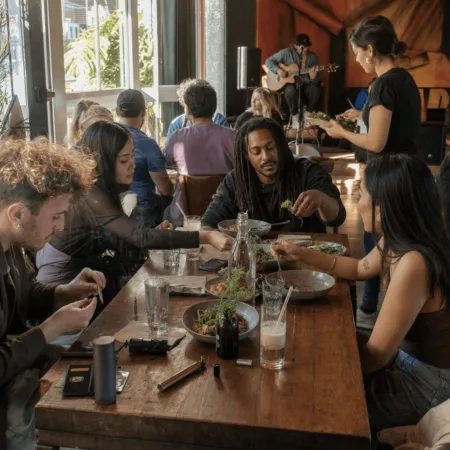
Plus, let’s be honest, it’s about time cannabis got the “coffee shop treatment” that craft beer and cocktails have enjoyed for years in Massachusetts. When you create safe, licensed social environments, you move people out of risky, unregulated situations and give the cannabis community (and newcomers!) somewhere to gather and learn together.
Looking Ahead: Opportunities, Acceptance, and What’s Next
With Massachusetts cannabis social consumption on the rise, the state’s poised for a new era where cannabis fits more naturally into daily life. Operators, advocates, and ordinary adults are watching closely to see how this first wave plays out—because if Massachusetts nails it, the rest of the country won’t be far behind. According to policy experts at NORML, laws that support regulated social use often pave the way for lower rates of public nuisance complaints and better community relations.
The future’s looking friendly. Honest, transparent regulation of social spaces can help break down persistent stigma, create business opportunities, and make sure everyone—regardless of living situation—can safely enjoy cannabis with friends. Massachusetts cannabis social consumption isn’t just following a trend; it’s setting one. As the state continues to refine licensing and encourage equity, I see the Bay State lighting the way for responsible, community-focused cannabis culture nationwide.
Originally reported by: cbsnews.com

1 Comment
Pingback: CBD reduce weed use: Can it really help you cut down?