





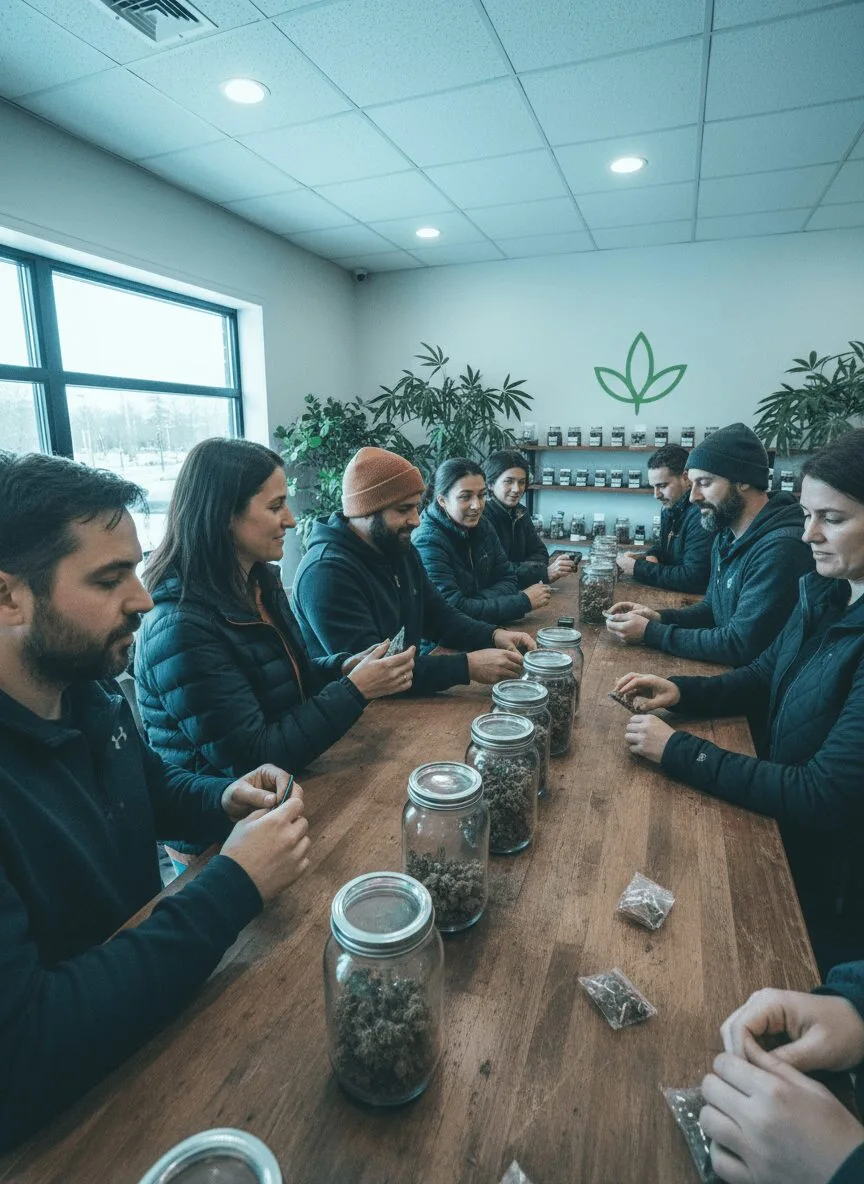
Massachusetts cannabis sales break records despite price drop
Massachusetts cannabis sales are hitting new highs. This milestone arrives despite a turbulent market and falling retail prices. Why does this matter right now? The state’s $1.65 billion sales record, set in 2023, highlights both unstoppable consumer demand and the cannabis market’s growing pains. With the industry maturing, we’re seeing shifts that affect not just dispensaries and growers, but every consumer, investor, and advocate out there. In the next sections, we’ll break down the key drivers, regulations, big news, and what it means for the future of Massachusetts cannabis sales.
Background: Understanding Massachusetts Cannabis Sales & Market Evolution
Let’s set the scene. Massachusetts has been a pioneer in the legal cannabis movement since recreational sales began in November 2018. The Cannabis Control Commission, the regulatory body steering policy, set a robust framework focused on equity, safety, and economic growth (Massachusetts Cannabis Control Commission). Cannabis is taxed at a combined state rate of 20%, merging excise and sales tax. Revenue from Massachusetts cannabis sales now funds public health programs, youth education, and restorative justice initiatives for communities previously harmed by prohibition. Social acceptance continues to climb, with a recent Morning Consult survey showing over 60% of Massachusetts adults favoring regulated cannabis access. Competition has exploded, too, and a wave of new dispensaries means more options and steeper price wars. For example, in other regions cultivators have faced similar challenges—recent incidents in Pine County highlight how rapidly evolving cannabis farms can reshape local economies (unexpected green revolution in Minnesota). Recent price drops mirror similar trends in mature markets like Colorado and Oregon, tightening margins but driving consumer volume to an all-time high. These elements make Massachusetts cannabis sales a compelling story that goes beyond dollars and cents.
Key Developments: Record-Breaking Numbers and Pressures
Let’s get into the numbers. In 2023, Massachusetts cannabis sales soared to a record $1.65 billion, up from $1.56 billion in 2022, according to data from MJBizDaily. This growth is even more impressive considering that the average retail price per gram nose-dived by 28% from the previous year, with some shops offering ounces under $100, a first for the state. Big-name dispensary operators like Theory Wellness, Curaleaf, and Revolutionary Clinics have responded by slashing prices, boosting product variety, and enhancing customer loyalty perks. Newcomers flooding the scene have ramped up local competition, which is great for consumers but tough for operators with smaller efficiencies or limited capital. Meanwhile, cultivators feel the pinch most, as wholesale flower prices sink and pressures mount to innovate with new genetics and value-added products—even in Ohio the surge in local marijuana sales is reminiscent of the Massachusetts boom (record-breaking Ohio sales). The Cannabis Control Commission’s 2023 regulatory updates, including streamlined licensing and delivery expansion, have further shaped market dynamics (Mass.gov: Cannabis Control Commission). News outlets like The Boston Globe report consumers are now buying more frequently, trading up to premium products, and keeping overall demand robust. The Massachusetts cannabis sales narrative here: innovation is up, survival is fierce, and customers are clearly winning in this new landscape.
Expert Analysis: What Do These Shifts Mean for the Industry?
As a cannabis advocate and industry watcher, it’s wild, though not entirely surprising, to see Massachusetts cannabis sales thriving in a price-slashing environment. Economics 101 tells us lower prices attract more buyers, but in cannabis, there’s always more going on. The record-breaking Massachusetts cannabis sales directly reflect consumers’ evolving tastes, a resilient market, and a healthy local ecosystem. “Consumers are savvy, they seek out quality, transparent sourcing, and fair pricing. Markets like Massachusetts prove that demand holds steady, even as operators battle price compression,” notes Amanda Reiman, VP at New Frontier Data (New Frontier Data). Many experts point out that Massachusetts now faces the classic ‘growing pains’ of legal cannabis. Lower prices test operators’ staying power and reward those who innovate—think solventless concentrates, sun-grown organic flower, sustainable packaging, and small-batch craft genetics. Market diversity also boosts consumer confidence, which is similar to the impact medical cannabis certification has had for patient empowerment in other states (medical cannabis certification in Alabama). People feel safe and empowered to explore new products, strengthening the entire industry supply chain. If Massachusetts can balance supply-demand curves, implement sensible regulations, and prioritize community reinvestment, the industry will not just survive, but thrive long-term.
Future Outlook: Powering Ahead With Optimism
Looking forward, the story of Massachusetts cannabis sales is one of resilience, innovation, and expanding access. Lower prices aren’t just a blip—they’re a sign that the market is maturing, finding its groove, and setting the tone for other East Coast states. Expanding delivery, new product categories, and inclusive social equity programs all signal that Massachusetts will stay at the forefront of the American cannabis movement. According to Leafly’s 2024 market update, the state is poised for continued growth, with projections pointing toward greater normalization, economic opportunity, and social acceptance. The headwinds are real, but so are the opportunities. As consumers and advocates, it’s time to enjoy better choices—and keep pushing for fair, inclusive progress across all levels of Massachusetts cannabis sales.
Originally reported by: mjbizdaily.com


1 Comment
Pingback: Trump Marijuana Executive Order: What Really Changes?