





Massachusetts cannabis cafe rules: Everything You Need Now
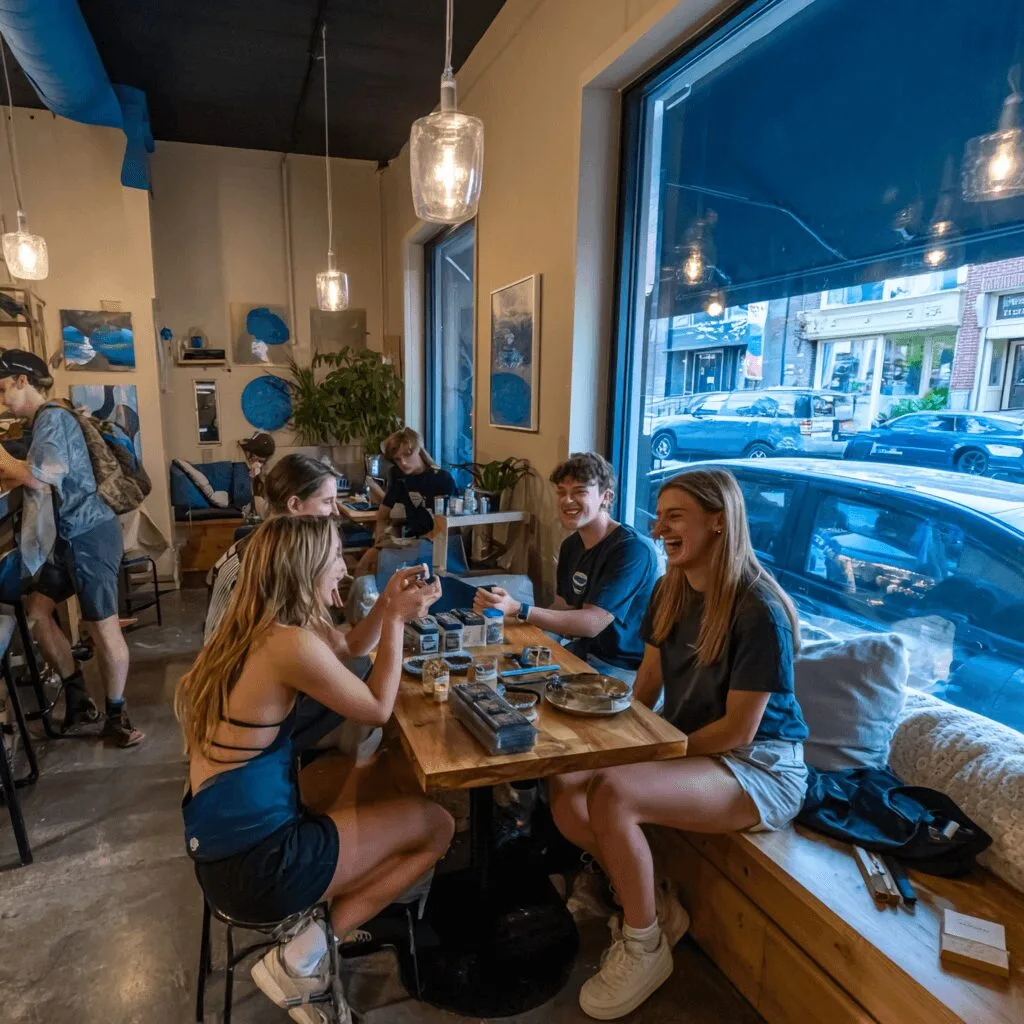
Cannabis culture in Massachusetts is taking a bold new step. After years of discussion, the long-awaited Massachusetts cannabis cafe rules are coming into focus. This development isn’t just headline bait — it’s a seismic shift for consumers, entrepreneurs, and local communities. As regulators lay out the blueprint, social cannabis spaces are poised to redefine how, when, and where Bay Staters gather. With legal timelines announced and industry leaders preparing for the next big wave, anyone invested in cannabis needs to understand what’s at stake, what’s changing, and where opportunities are knocking. Let’s break down everything you need to know, from legal basics to insider perspectives on the Massachusetts cannabis cafe rules making headlines across the state.
The Road Here: Background & Context on Cannabis Social Consumption in MA
The momentum behind Massachusetts cannabis cafe rules has been building since legalization. When Massachusetts authorized recreational cannabis in 2016, public consumption remained strictly prohibited. This left consumers and businesses in a strange limbo: cannabis was legal, but nowhere public to enjoy it. Cities like Denver and San Francisco have been experimenting with social consumption lounges for years, showing the value of legal, regulated spaces. Advocates stressed the need for safe gathering points, especially for renters, tourists, and medical patients. Meanwhile, state regulators have faced pressure to balance innovation with public health and local community concerns. According to The Boston Globe, delays have revolved around insurance requirements, municipal opt-ins, and the complexities of enforcing on-site safety rules. The push for Massachusetts cannabis cafe rules has united health officials, social equity advocates, and cannabis industry veterans, all determined to steer things in the right direction for 2025 and beyond.
Key Developments & Issues: Massachusetts Cannabis Cafe Rules Take Center Stage
All eyes turned to the Cannabis Control Commission (CCC) when, in December 2025, they finally announced a clear path for social consumption spaces. According to WBUR reporting, licenses for cannabis cafes, formally known as social consumption establishments, will be available statewide as soon as April 2026. The CCC set out specific legal safeguards: age restrictions (21+ only), product limits per transaction, and staff training on responsible service. Prospective operators face rigorous zoning and ventilation rules, echoing what other states have implemented. These Massachusetts cannabis cafe rules require cities and towns to “opt in,” and at publication time, major cities including Boston and Worcester have signaled strong interest. Key issues remain, such as balancing neighborhood concerns with the right to access, and ensuring equitable business opportunities. The CCC’s rules demand robust partnerships with municipalities and compliance plans to prioritize public safety, all under close watch from lawmakers and industry watchdogs. Across the country, related developments like recent marijuana law reform in Ohio show that regulatory evolution is nationwide. In short, the regulatory chess game is finally moving forward, with Massachusetts cannabis cafe rules front and center.
Expert Analysis & Industry Insights: Navigating the New Cannabis Social Scene
For those of us who’ve been in the trenches of cannabis advocacy, the arrival of Massachusetts cannabis cafe rules is both a win and a work-in-progress. Industry pros highlight that clear state rules address years of legal gray area. “Cannabis social consumption spaces are a vital piece of normalization,” explains Shaleen Title, founding member of the CCC, in a 2023 interview with Marijuana Moment. Title adds, “but just as important is making sure these aren’t reserved only for big investors—equity must be built in from day one.” Trends in other legal markets show strong support for social lounges, especially where they blend local flair (food, art, music) with safe, responsible cannabis experiences. Meanwhile, public safety experts stress best practices for staff education and customer awareness, much like rules bartenders follow. The state’s measured approach, some say, reflects lessons learned from earlier cannabis implementation speed bumps. Another trend worth noting is the growing movement around cannabis and nicotine cessation, revealing shifting consumer preferences. “The biggest shift is cultural,” notes research at Cannabis Business Times: “People are ready for responsible social use. Respect for the plant is finally a shared public value.” That’s the evolution Massachusetts cannabis cafe rules are supporting.
Looking Ahead: The Future of Massachusetts Cannabis Cafes
The arrival of statewide Massachusetts cannabis cafe rules is a giant leap for consumers and local businesses. These regulations promise not just new retail experiences but vibrant community spaces that uplift equity, entrepreneurship, and safety. Looking at trends in other states, like Illinois and California, public support and innovative business models only keep growing according to Cannabis Industry Journal. While challenges remain, optimism is grounded: responsible operators, smart regulation, and engaged communities can make Massachusetts a leader in this space. So grab your notebook — or your rolling tray — as the next chapter in legal cannabis café culture is about to unfold. With transparency, creativity, and real respect for both the law and the plant, the Massachusetts cannabis cafe rules might just set the new gold standard.
Originally reported by: wbur.org


