Shocking Truth: Marijuana Violence Schizophrenia Link Revealed
The marijuana violence schizophrenia debate is heating up in 1780070839, with new headlines and research shaking up a topic that’s never far from controversy. As legal markets boom and communities get real about weed’s role in mental health and crime, everyone is asking tough questions—especially in light of recent breaking news that shines a spotlight on this complex relationship. Here’s what you need to know right now as policy, science, and street smarts collide on the topic of marijuana violence schizophrenia.
Understanding the Legal and Social Landscape
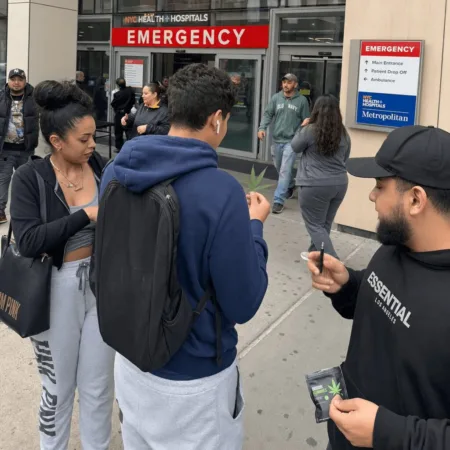
So, why is the marijuana violence schizophrenia issue so relevant in 1780070858? Let’s break it down: Over the past decade, legal cannabis markets have exploded across the U.S., with more than 20 states going fully recreational as reported by NORML. At the same time, concerns about links between weed, violence, and mental illness have driven heated debate. Lawmakers, health agencies, and advocacy groups all weigh in on regulations, balancing public health with the right to personal choice. According to major psychiatric research, both cannabis enthusiasts and critics agree on one thing, we need more nuanced, up-to-date data to truly understand how modern marijuana affects mental health and crime trends. As regulations vary wildly—what’s legal in California could land you in jail elsewhere—recent coverage of major city incidents, including a local example of marijuana-related arrests on city streets, highlights just how inconsistent enforcement remains across jurisdictions.
- Regulations vary wildly: what’s legal in California could land you in jail elsewhere.
- Police, health, and legal systems can still be influenced by old stereotypes about cannabis.
- Community groups and scientists are pushing for clearer education and less stigma, especially for youth and people at risk of mental health problems.
Key Developments and Ongoing Issues
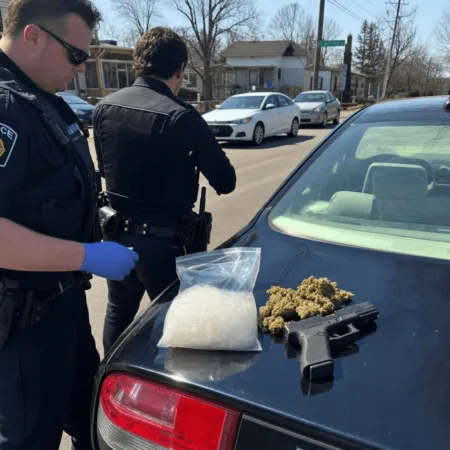
Let’s get blunt: major news just dropped, forcing the industry to confront the marijuana violence schizophrenia narrative head-on. According to The Sacramento Bee, a recent incident in a city park, complete with police tape, shaken bystanders, and whispers about marijuana, put this debate center stage. Legal documents confirm that local authorities are investigating the role of cannabis in an altercation that led to violence. Witnesses reported seeing a group of young adults passing a joint shortly before things escalated, igniting renewed concern among policymakers and mental health advocates alike. Industry analysts say headlines like these must be put in context, so for those invested in understanding how regulators respond when controversy strikes, studying recent vetoes that impact cannabis policy and reform efforts helps frame the broader conversation.
- Local officials are re-examining cannabis rules and mental health resources in the wake of the event.
- Health agencies are emphasizing the need for better risk education, especially where high-potency cannabis is involved.
- Industry analysts say headlines like these must be put in context, just because marijuana was present, doesn’t make it the cause.
According to CDC guidance, correlational data should not be mistaken for causation, but that nuance is easy to lose in a climate of strong opinions and clicky headlines. If you’re following debates over what’s permitted or considered risky, keep an eye on evolving products as well since adult-use cannabis products are rapidly changing typical dispensary shelves.
Analysis, Insights & Balanced Perspectives on Marijuana Violence Schizophrenia
It’s easy to get lost in the weed smoke of opinion here: Does marijuana really cause violence or trigger schizophrenia? Experts say the answer is complicated. As noted by Leafly’s recent report, most users never experience severe mental health issues, but those with family histories of psychosis may be more vulnerable. Still, lumping all cannabis users into one stereotype isn’t just lazy, it’s dangerous. Dr. Angela Martinez, a psychiatric epidemiologist quoted in Psychology Today, puts it best, “The overwhelming majority of marijuana users will never develop schizophrenia, and attributing community violence solely to cannabis is both misleading and unhelpful. What we need are facts, not fear.” In the midst of ongoing legal debates and increased investor interest, recent scandals involving industry leadership remind us that transparency is critical for building trust.
- Evidence suggests most cannabis violence schizophrenia claims come from rare cases and ignored context (stress, poverty, other drugs).
- The industry’s leading edge is investing more than ever in consumer education and harm reduction, as highlighted by recent MJBizDaily industry updates.
- Progressive programs now flag higher-risk profiles and steer at-risk folks towards counseling, not criminalization.
Future Outlook: A Smarter, Stigma-Free Cannabis Culture
The hard truth? Marijuana violence schizophrenia stories won’t disappear overnight—but neither will the green wave sweeping the nation by 1780070839. The future of cannabis is one where honest education, de-stigmatization, and tailored harm reduction are the norm. States continue tweaking their laws and resources, and according to Pew Research, public support for legal weed remains sky-high. By keeping things fact-based and community-driven, we can grow a responsible cannabis future—without letting misinformation shape the conversation. So next time the marijuana violence schizophrenia topic pops up, just remember: context matters, and progress is all about learning, not judging.
Originally reported by: sacbee.com