





Marijuana Use Health Research: Shocking Insights Revealed
The world of marijuana use health research is evolving fast — and so are the ways we talk about it. Driven by fresh university data, changing state laws, and shifting public opinion, the topic is lighting up headlines now more than ever. With legalization spreading, questions about its actual health effects, risks, and benefits are finally getting honest, data-driven answers. We’re digging into these revelations, breaking down what matters for users, policymakers, and the future of cannabis. Ready for the truth? Let’s clear the haze around marijuana use health research and see what the science and experts are saying today.
The Road to Today: How Regulation, Science, and Society Shaped Marijuana Use Health Research
Decades ago, marijuana use health research faced more roadblocks than a Friday night rolling session. Thanks to a tangled web of federal restrictions and state-by-state legal chaos, scientists struggled to get reliable data or access quality plant material. The DEA’s Schedule I status still throws shade on research efforts, as Brookings Institution details. However, with rising medical use approvals and adult-use legalization in over 20 states plus D.C., the game has changed. States like California and Illinois are now funding independent studies, opening dispensary tracking data, and encouraging researchers to ask tougher questions about both risks and rewards (New York Times), and funding is shaping local neighborhoods with new initiatives similar to community funding efforts for cannabis enforcement. Meanwhile, demand from the public, not just for access, but for hard science, is pushing new studies into the mainstream.
Groundbreaking Insights: What Recent Marijuana Use Health Research Actually Says
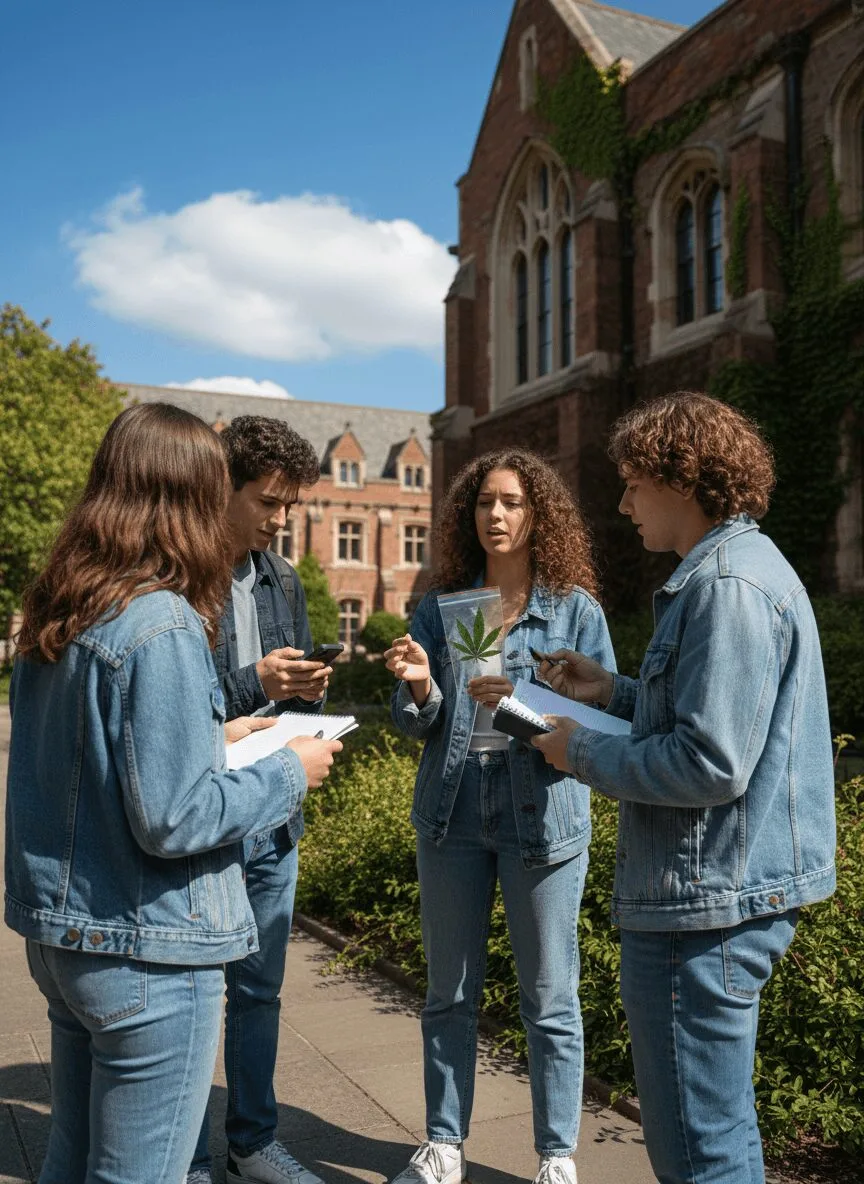
Check this out: researchers at the University of New Haven recently published findings that upend a lot of assumptions we had about cannabis and health (New Haven University). Their team examined university student use patterns, motivations for cannabis use, and the nuanced effects on student wellbeing. Specifically, the MPH students’ research identified correlations between frequency of marijuana use and changes in anxiety levels, sleep quality, and social dynamics among young adults, which resonates with concerns that young adult substance use impacts future risk and public health. Their work echoes national level studies from NIDA and data-backed reviews by the JAMA Network, strengthening the point that individual health outcomes depend on context, dose, and consistency. Meanwhile, with legalization, hospitals and research centers are finally comparing real patient data with self-reported use, bringing credible data to the debate. These updates mark a massive shift in how marijuana use health research is conducted, reported, and applied in public health policy.
Deeper Dive: Expert Takeaways and What It All Means
The big picture? It’s not as simple as old-school scare tactics or the typical stoner optimism. According to Dr. Sue Sisley, a well-regarded cannabis clinical researcher, “Real marijuana use health research paints a far more complicated, and promising, portrait than soundbites or stigma. The focus needs to shift to evidence-based harm reduction and therapeutic potential” (Forbes). Current research shows risk factors for dependency and adverse effects exist, especially for heavy, underage, or genetically susceptible users. That said, beneficial effects for anxiety, chronic pain, and social connection are increasingly documented too. Nuanced, peer-reviewed marijuana use health research demonstrates both promise and pitfalls, and even looks at how products like CBD or THC are now affecting senior care via Medicare access. The strongest trend is toward demystifying cannabis through transparency and open science. Industry leaders, like those at Leafly and NORML, argue that robust research will ultimately lead to safer, more informed consumption habits across all ages and communities.
Lighting the Path Forward: The Future of Marijuana Use Health Research
As legalization sweeps more states and stigma burns away, the future of marijuana use health research is — dare we say — bright. Data collection is expanding, funding is up, and credibility is climbing fast among mainstream medical professionals (Health Affairs). Expect even more robust findings on cannabis risks, benefits, and best practices to shape laws, healthcare, and public opinion in the coming years. In short: we’re leaving the era of myths behind and entering an age of clarity, accountability, and informed, healthier choices for everyone. So keep asking questions and stay tuned, because marijuana use health research is only just catching its stride.
Originally reported by: newhaven.edu

2 Comments
Pingback: Minnesota hemp testing bill update: What you need to know
Pingback: South Jersey cannabis dispensary faces unexpected twist