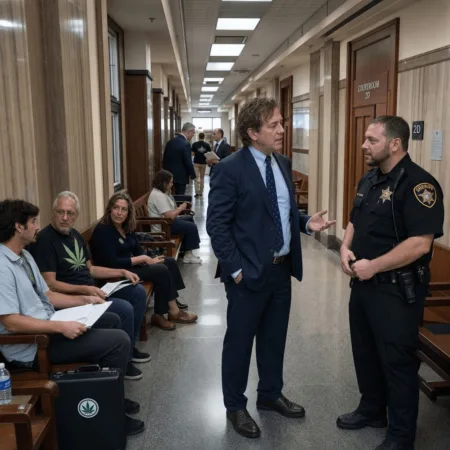
Marijuana Trafficking Charges: What Happened in New York?
The cannabis industry is booming, but news about marijuana trafficking charges continues to shape the conversation. With evolving regulations and shifting public perception, cases like the recent New York bust capture the anxieties and hopes of consumers, entrepreneurs, and advocates. So, what went down, and why should anyone invested in legal weed care? Let’s break it all down, balancing facts with the realities of today’s cannabis culture.
The Changing Landscape: Marijuana Laws, Enforcement & the Industry
The story of marijuana trafficking charges in New York highlights the clash between state-level legalization and ongoing federal prohibition. Even as adult-use cannabis becomes mainstream in places like New York, distribution outside highly regulated channels remains risky and illegal. According to the National Organization for the Reform of Marijuana Laws (NORML), federal law still deems cannabis a Schedule I substance with no accepted medical use. Meanwhile, state agencies have developed strict licensing and tracking requirements to ensure regulatory compliance, product safety, and tax revenue from legitimate sales. But with the market’s rapid growth, issues such as cross-border trafficking and inconsistent enforcement continue to complicate matters. This is especially apparent when looking at high-profile industry events, like the recent sale of a major cannabis facility in Branford that’s sparked conversation across the industry, showing the shifting dynamics. For many, especially those historically targeted by prohibition, the threat of marijuana trafficking charges still looms large despite recent reforms.
Key Developments: The New York Marijuana Trafficking Charges Case
The latest chapter unfolded as a New York woman pled guilty to marijuana distribution, as reported in Shore Daily News. Prosecutors alleged she moved significant quantities of cannabis across state lines, violating both state and federal statutes. The plea reportedly includes penalties ranging from probation to possible incarceration, depending on judicial discretion and her cooperation. The arrest underscores law enforcement’s ongoing concern with large-scale, unlicensed distribution networks, even as NY1 News notes, New York’s legal rollout struggles to undercut illicit sales. Issues like these are echoed in other areas, for example, a recent drug arrest in Jones County highlighting how local law enforcement approaches to marijuana trafficking charges can vary significantly. This case involved substantial quantities seized, documented surveillance, and connections to distribution outposts in the Northeast. The woman’s defense centered on ambiguity in licensing and confusion in regulations—a common refrain in today’s rapidly shifting market. These marijuana trafficking charges serve as a wake-up call for anyone operating in the gray areas of New York’s cannabis economy.
Expert Insights: Industry Reactions & the Bigger Picture
Legal experts and industry advocates remain firm: as regulations lag, confusion breeds more marijuana trafficking charges. According to Leafly News, gray-market activity is often the byproduct of an overregulated, taxed, and expensive legal system. Industry veteran and advocate Shaleen Title states, “The persistence of marijuana trafficking charges says more about flaws in current policy than any criminal intent. Many operators want to transition to compliance, but outdated laws and lack of access trip them up.” This incident is far from isolated, it’s part of a nationwide pattern where changing laws and enforcement priorities collide. For instance, the recent marijuana grow busts in Oklahoma illustrate similar challenges faced by cannabis businesses elsewhere. The New York case also shows the importance of accessible licensing, clear guidance, and amnesty pathways. If these aren’t addressed, the illicit market and high-profile arrests will persist, regardless of legalization momentum.
Looking Ahead: Cannabis Acceptance, Reform, and the Road Forward
With every headline about marijuana trafficking charges, the urgency for sensible reform grows. The cannabis industry isn’t just a business—it stands as a cultural movement, rewriting public opinion, health policy, and criminal justice. As MJBizDaily reports, New York’s regulated market continues expanding, bringing hope for equity and economic opportunity. Yet, these positive trends will only accelerate if lawmakers prioritize accessible licensing, public education, and path-to-legalization strategies for legacy operators. The future looks bright; each challenge—like these recent marijuana trafficking charges—is a chance to build a more rational, inclusive cannabis sector for all. Stay lifted, stay informed, and let’s keep the industry growing in the right direction.
Originally reported by: shoredailynews.com