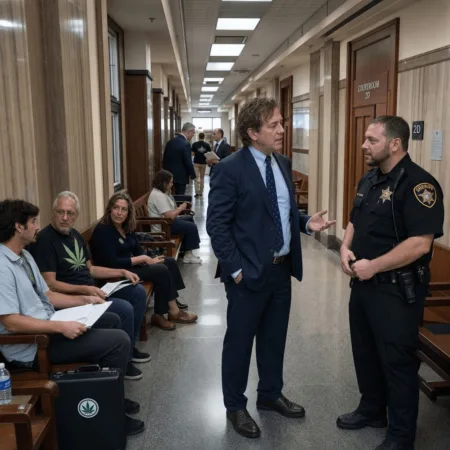
Marijuana Smell Police Searches: Are NC Rights at Risk?
Let’s keep it real: the debate around police using the smell of marijuana as legal grounds to search cars or detain people in North Carolina is heating up right now. Across the state, recent news and growing calls for cannabis reform have put “marijuana smell police searches” front and center. Lawmakers, cannabis advocates, concerned citizens, and even bystanders caught up in routine stops are asking—are our rights being threatened by how authorities are interpreting old laws in a changing market?
The Landscape: Why “Marijuana Smell Police Searches” Are a Hot Topic
North Carolina, like much of the South, has stuck to strict cannabis laws while national trends shift toward legalization. But inconsistencies pop up daily. Some hemp-derived products, like CBD and Delta-8 THC, are now legal according to North Carolina’s Department of Agriculture. However, police and courts have not adapted quickly. The classic “I smell marijuana, so I can search your car” police approach remains a legal gray area, as pointed out by NORML and other advocacy groups. With more people carrying legal hemp and medical marijuana patients traveling from other states, it has become similar to what’s happening in other states where local zoning and community regulations are rapidly evolving, as seen with updates on how cannabis zoning ordinance changes are shaping discussions nationwide. This confusion swirls around what a skunky aroma really means when blue lights flash behind you.
This controversy isn’t unique to NC, but lawmakers here have lagged in creating solid guidelines. As Leafly explains, states with unclear laws are seeing more pushback from the public and the courts, which is why everyone’s talking about “marijuana smell police searches.”
Major Developments and the Real-Life Impact in North Carolina
The situation leapt into headlines when The News & Observer published a piece spotlighting North Carolina’s police procedures following a wave of questionable traffic stops. Officers still frequently cite marijuana odor as probable cause for searches, despite hemp’s legal status. In one widely shared 2024 incident, an NC driver was stopped, searched, and arrested—only for lab analysis to show all seized material was legal hemp, not marijuana (Source: News & Observer).
On the legal front, state courts are split. One Wake County judge tossed evidence from a search based solely on marijuana smell, citing evolving cannabis laws and the legal status of hemp flower. But in many counties, judges still allow police to use scent as probable cause, meaning whether you get searched can depend on the zip code where you’re pulled over, as noted by updates from WNCN News.
This regulatory limbo has caused headaches for everyone: police (uncertain what actually constitutes probable cause), citizens (unsure what their rights are), prosecutors, and even public defenders, who grapple with rapidly shifting statutes and policies. As new cannabis legalization updates bring sweeping changes to how state and local regulators manage everyday situations, the impact across daily life and health has become increasingly complex. According to Law360, similar confusion has led to calls for statewide reform in 2023 and early 2024, but so far, changes have stalled in the legislature.
Expert Analysis: What This Means for Cannabis, Rights & Community
All this drama around marijuana smell police searches reflects how slow regulatory change is leaving everyday people in a bind. The fact is, hemp and marijuana can smell almost indistinguishable but hold totally different legal statuses. As cannabis industry expert Morgan Fox of NORML has put it: “Law enforcement’s reliance on smell alone is outdated and can lead to wrongful searches, arrests, and erosion of civil rights, especially where hemp is legal.” (NORML News).
Industry publications like Marijuana Moment have tracked numerous state challenges to odor-based searches, echoing a national shift. Pro-cannabis advocates argue that local enforcement still clinging to the “smell equals guilt” logic misrepresents modern cannabis culture, undermining both privacy and the presumption of innocence. Meanwhile, police unions and some district attorneys express concerns about drug trafficking but acknowledge laws haven’t kept up with science and social reality. There’s a genuine need for balanced, smart policy—a path that guards public safety and personal freedoms while also considering new technologies shaping the sector, as cannabis compliance technology is rapidly changing dispensaries right now.
The Road Ahead: Optimism for Reform on Marijuana Smell Police Searches
Looking forward, it’s clear North Carolina won’t be left behind as the cannabis scene modernizes—and that’s good news for civil liberties. State legislators are facing real pressure from voters and advocacy groups, as seen in the growing acceptance of medical and adult-use cannabis nationwide. According to Pew Research Center, most Americans now support sensible cannabis reform—so it’s just a matter of time before North Carolina guidelines catch up and marijuana smell police searches are put in their proper, limited perspective. In the meantime, education, advocacy, and open, respectful dialogue are the best tools for protecting everyone’s rights while paving the way for the cannabis industry’s next chapter.
Originally reported by: newsobserver.com